IAV
KD
Most Cited
Most Images
Trial Size

RIP3 Antibody

CATALOG NUMBER: 2283

Clonality:
Polyclonal
Tested Applications:
ELISA, IHC-P, IP, WB
Host Species:
Rabbit
Species Reactivity:
Mouse, Rat
Conjugate:
Unconjugated
Specifications
Host Species:
Rabbit
Species Reactivity:
Mouse, Rat
Immunogen:
Anti-RIP3 antibody (2283) was raised against a peptide corresponding to 14 amino acids near the carboxy terminus of murine RIP3.
The immunogen is located within the last 50 amino acids of RIP3.
Conjugate:
Unconjugated
Tested Applications:
ELISA, IHC-P, IP, WB
Application Note:
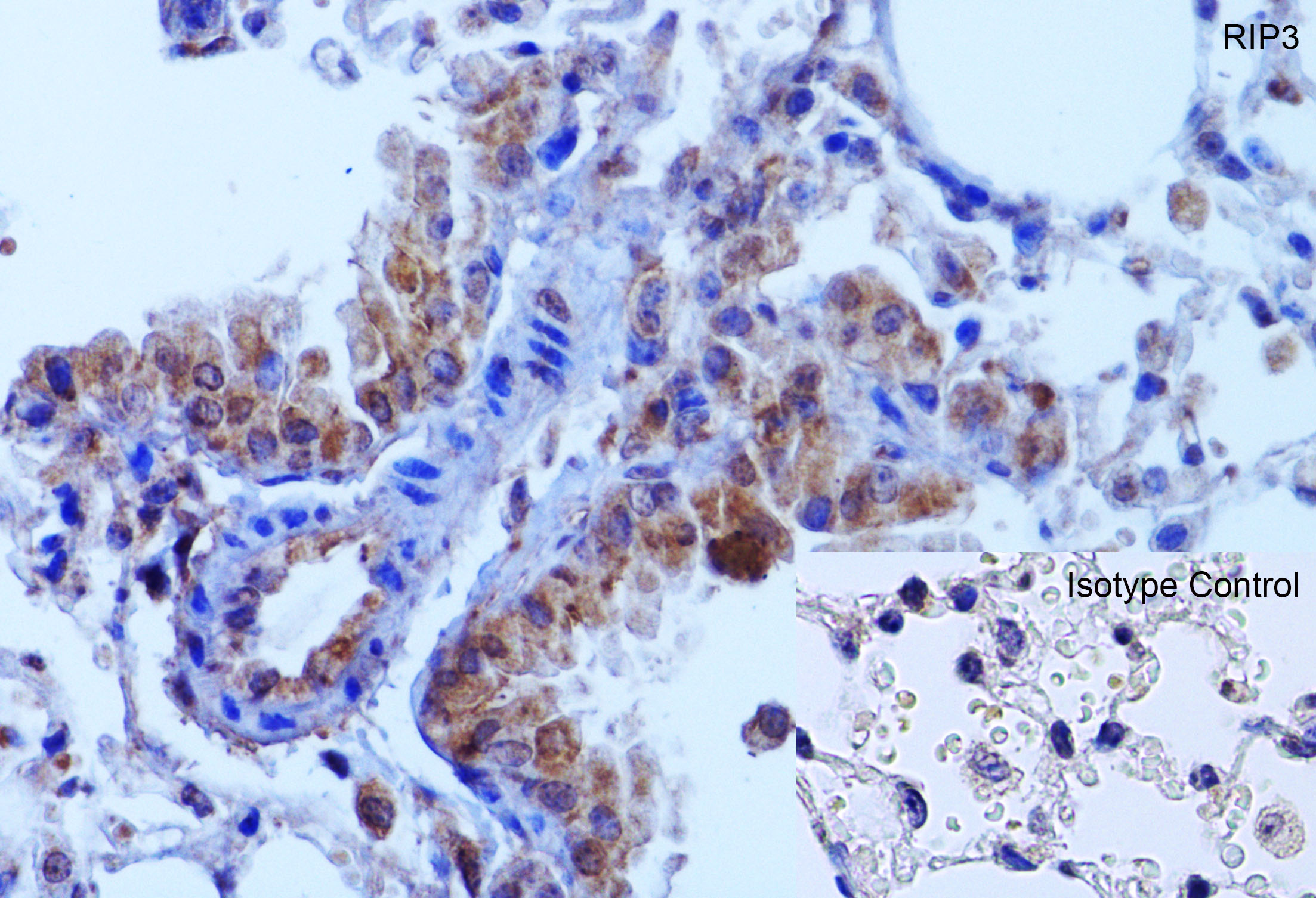
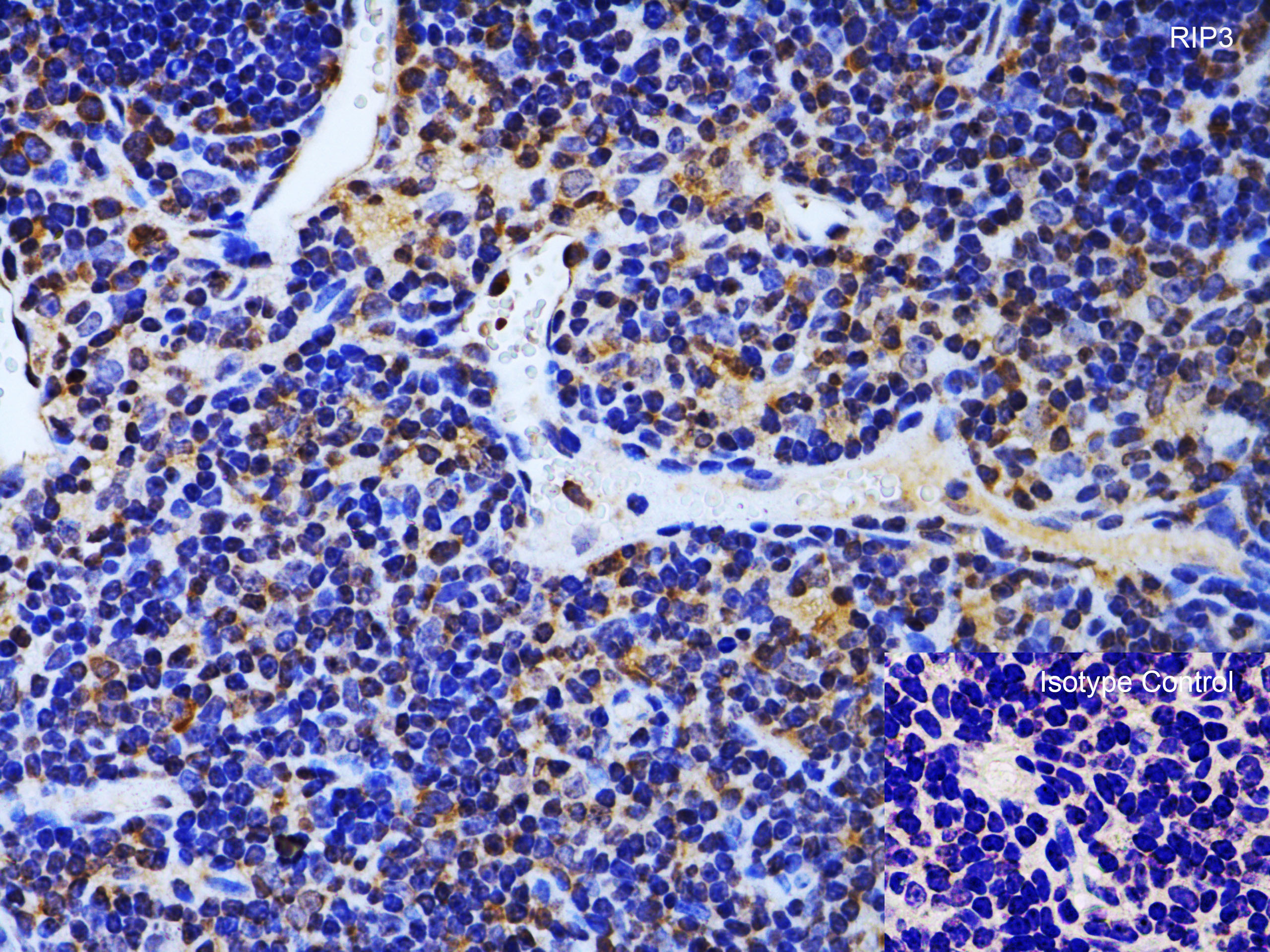
WB: 0.1-0.5 μg/mL; IHC-P: 1-5 μg/mL; IP: 20 μg/mL.

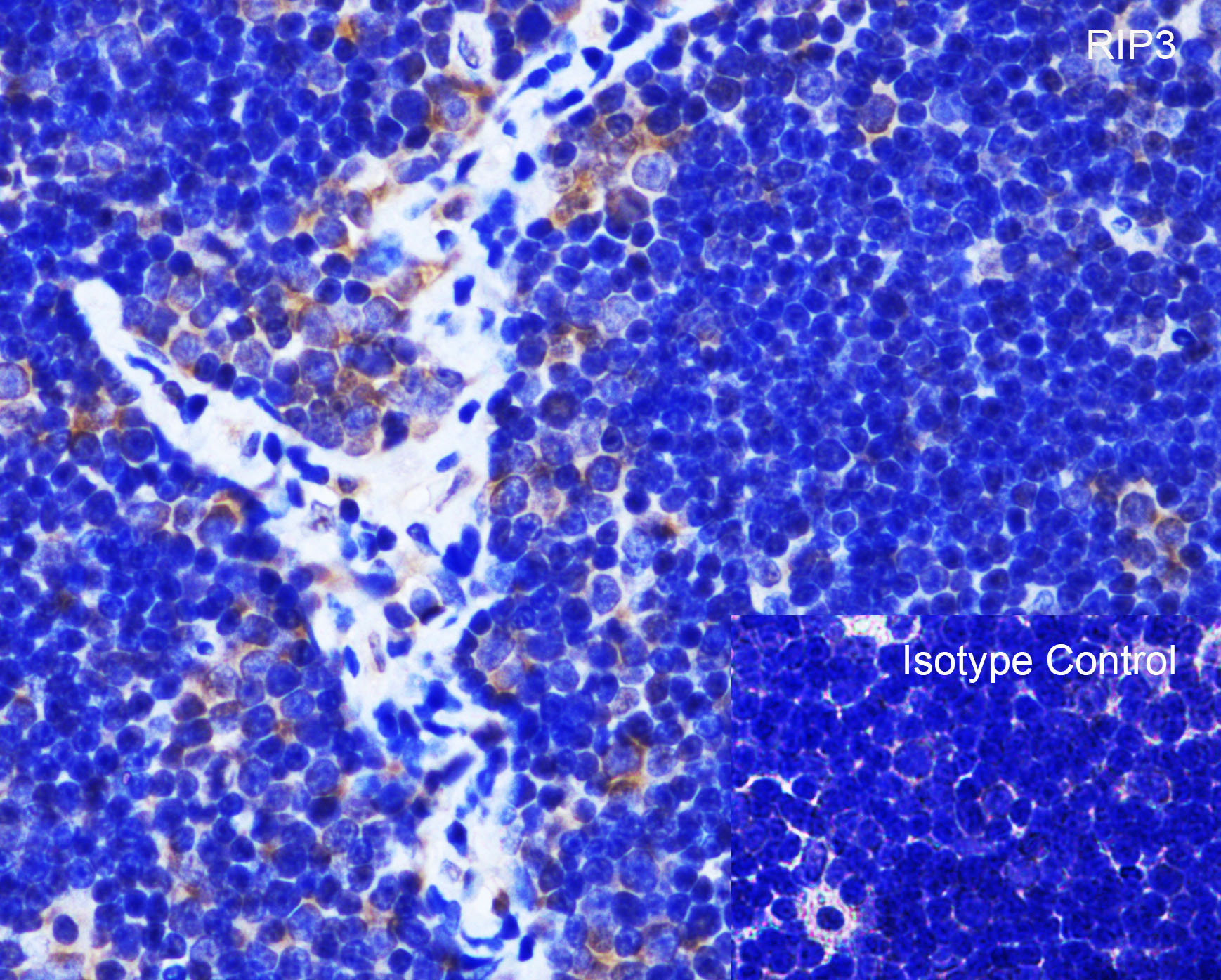
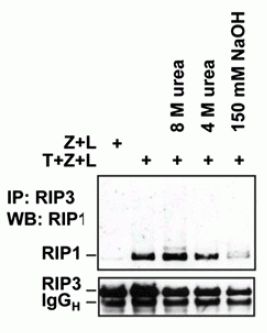
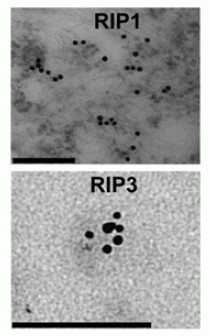
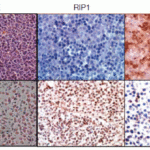
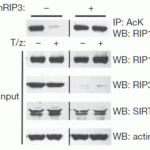
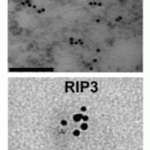
Antibody validated: Western Blot in mouse and rat samples; Immunohistochemistry in mouse and rat samples; Immunoprecipitation in human samples; Immunogold EM in mouse samples. All other applications and species not yet tested.
Specificity:
Specifically detect RIP3 in mouse and rat. Human RIP3 can be detected by hRIP3 antibody (8963).
Positive Control 1:
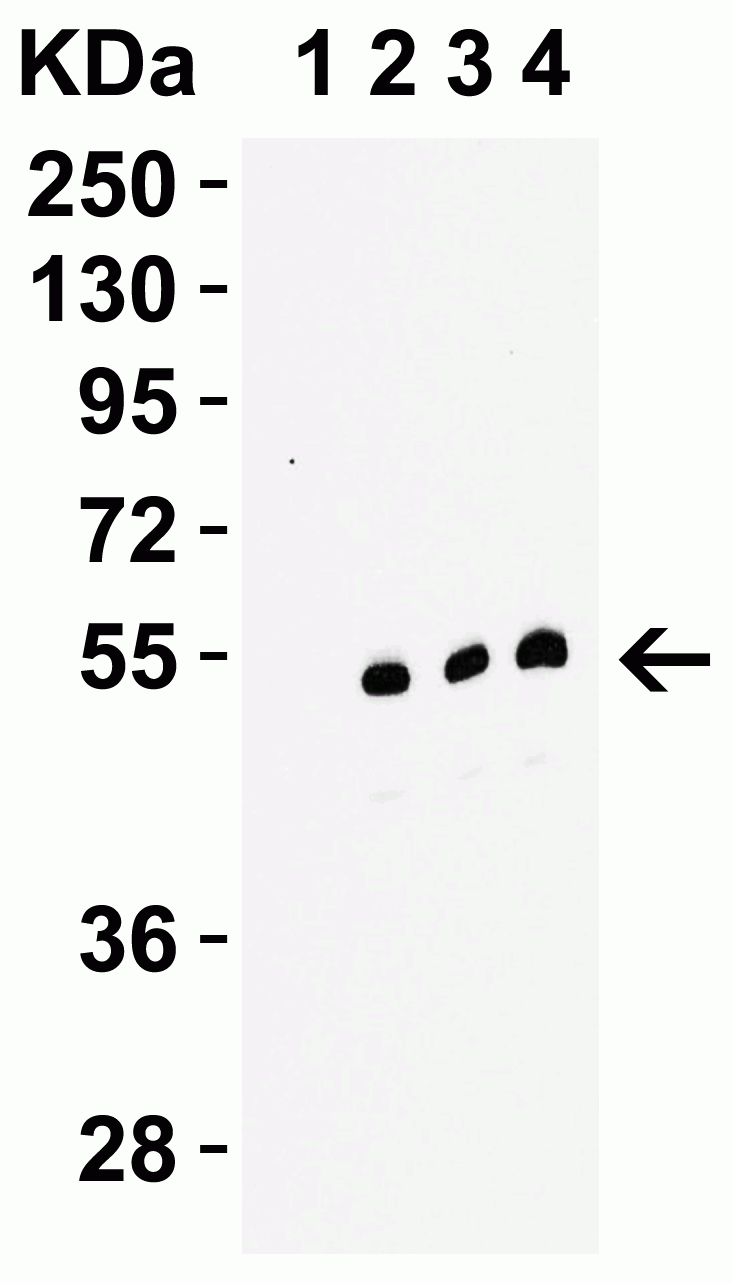
Cat. No. 1471 – Rat Thymus Lysate
Positive Control 2:
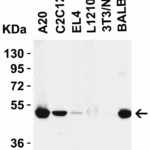
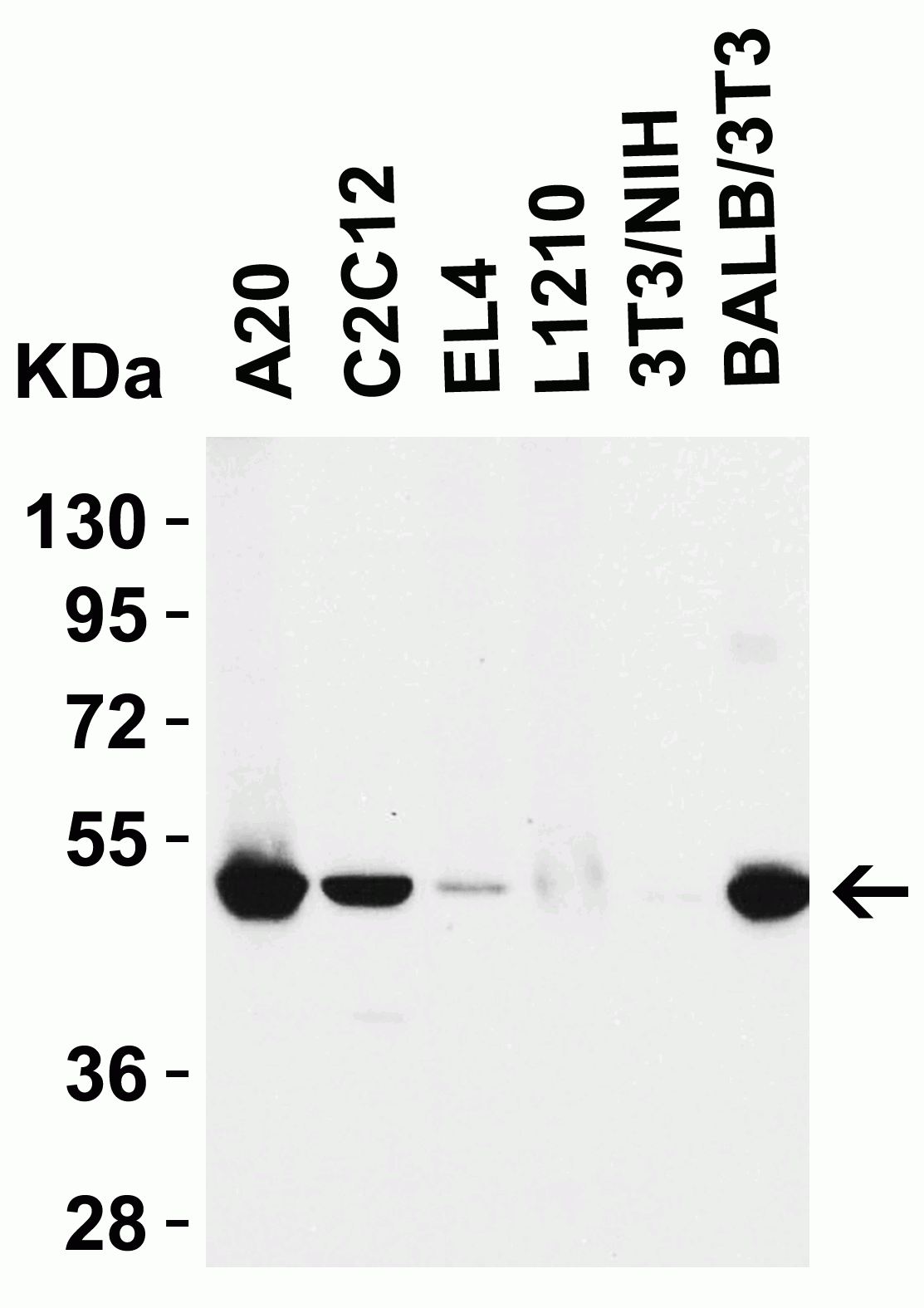
Cat. No. 1282 - 3T3/NIH Cell Lysate
Positive Control 3:
Cat. No. 1285- C2C12 Cell Lysate
Predicted Molecular Weight:
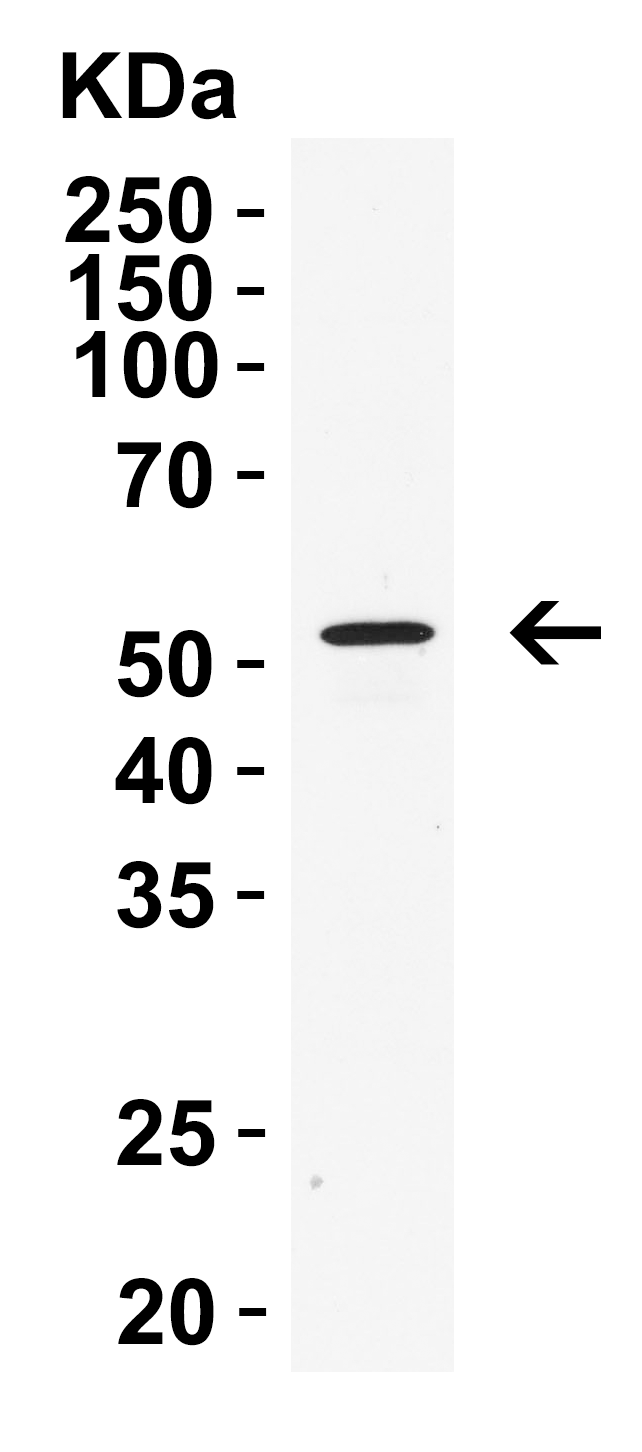
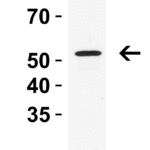
Predicted: 53kD for mouse RIP3 and 57kD for human RIP3
Observed: 53kD for mouse RIP3 and 57kD for human RIP3
Validation:

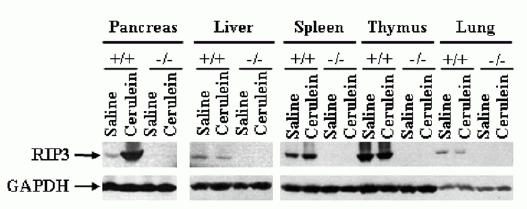
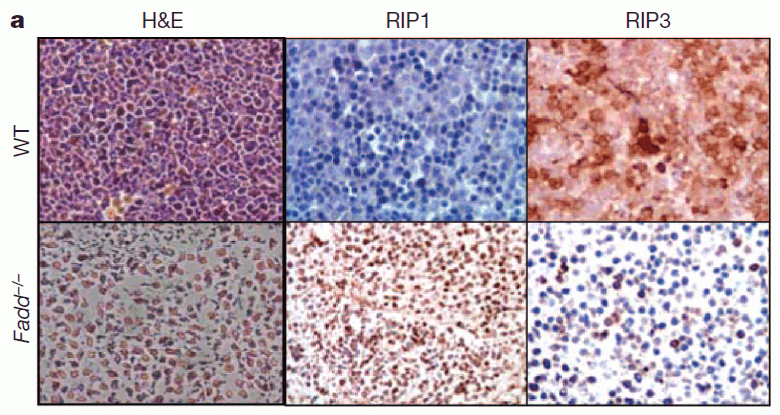
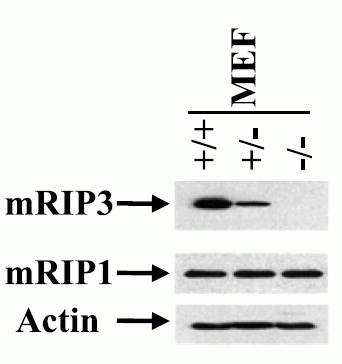
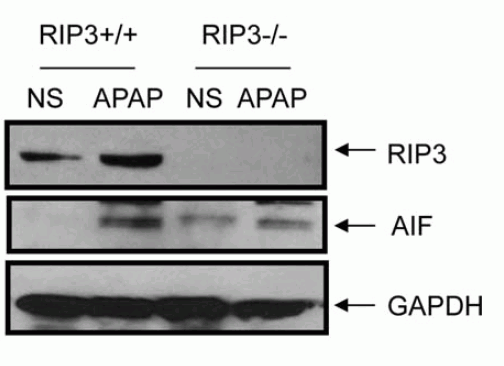
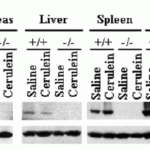
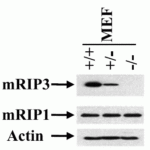
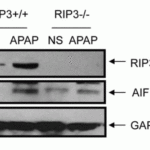
KO Validation (Figure 7,9,13) shows RIP3 expression detected by anti-RIP3 antibodies (2283) was disrupted in multiple tissues of RIP3 KO mice (figure 7, 13) and in RIP3 KO MEF cells (figure 9).

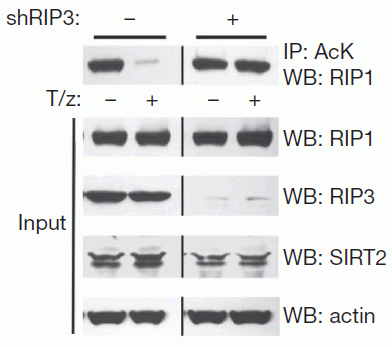
KD validation (Figure 10): Anti-RIP3 antibody (2283) specificity was further verified by RIP3 specific knockdown. RIP3 signal in L929 cells transfected with RIP3 shRNA was disrupted in comparison with that in cells transfected with control shRNA.

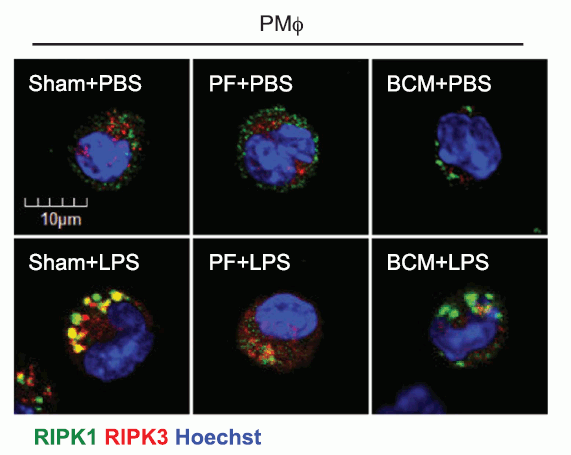
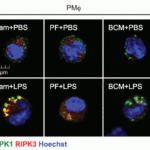
Regulated expression validation (Figure 7,11,13): RIP3 expression detected by anit-RIP3 antibodies (2283) was up-regulated by treatment of cerulein (figure 7), LPS (figure 11) or acetaminophen (figure 13) in different tissues or cells.

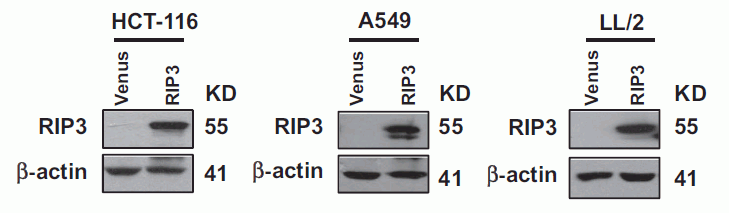
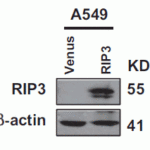
Overexpression validation (Figure 12): RIP3 overexpression detected by anit-RIP3 antibodies (2283) was observed in three cell lines stably transfected with RIP3.

Isoforms:
Mouse RIP3 has one isoform (486aa, 53kD). Human RIP3 has 3 isoforms, including isoform 1 (518aa, 57kD), isoform 2 (252aa, 28kD) and isoform 3 (231aa, 25kD). Rat RIP3 also has one isoform (478aa, 52kD). 2283 can detect can detect isoforms of mouse and rat.
Purification:
RIP3 Antibody is affinity chromatography purified via peptide column.
Clonality:
Polyclonal
Isotype:
IgG
physical-state:
Liquid
Buffer:
RIP3 Antibody is supplied in PBS containing 0.02% sodium azide.
Concentration:
1 mg/ml
Storage Conditions:
RIP3 antibody can be stored at 4°C up to one year. Antibodies should not be exposed to prolonged high temperatures.
Ncbi Official Symbol:
Ripk3
Additional Names:
RIP3 Antibody: Rip3, AW107945, 2610528K09Rik, Rip3, RIP-like protein kinase 3, RIP-3
Protein Accession Number:
AAF03133
Protein Gi Number:
6063101
Ncbi Gene Id Number:
56532
User Note:
Optimal dilutions for each application to be determined by the researcher.
Background:
RIP3 Antibody: Certain serine/threonine protein kinases, such as ASK1, RIP, DAP, and ZIP kinases, are mediators of apoptosis. Receptor interacting proteins including RIP and RIP2/RICK mediate apoptosis induced by TNFR1 and Fas, two prototype members in the death receptor family. A novel member in the RIP kinase family was recently identified and designated RIP3. RIP3 contains N-terminal kinase domain but, unlike RIP or RIP2, lacks the C-terminal death or CARD domain. RIP3 binds to RIP and TNFR1, mediates TNFR1 induced apoptosis, and attenuates RIP and TNFR1 induced NF-κB activation. Overexpression of RIP3 induces apoptosis and NF-κB activation. The messenger RNA of RIP3 is expressed in a subset of adult tissues.
Background Reference 1:
Yu et al. Curr Biol. 1999;9(10):539-42.
Background Reference 2:
Sun et al. J Biol Chem. 1999;274(24):16871-5.
Background Reference 3:
Pazdernik et al. Mol Cell Bio. 1999; 19(10):6500-8 (WD0102)
Citation 1:
He et al. Receptor interacting protein kinase-3 determines cellular necrotic response to TNF-alpha. Cell. 2009;137(6):1100-11. PMID: 19524512
Citation 2:
Zhang et al. Functional complementation between FADD and RIP1 in embryos and lymphocytes. Nature. 2011;471(7338):373-6. PMID: 21368761
Citation 3:
Narayan et al. The NAD-dependent deacetylase SIRT2 is required for programmed necrosis. Nature. 2012;492(7428):199-204. PMID:   23201684
Citation 4:
Li et al. Tissue damage negatively regulates LPS-induced macrophage necroptosis. Cell Death Differ. 2016;23(9):1428-47. doi:10.1038/cdd.2016.21. Epub 2016. PMID:        26943325
Citation 5:
Yang et al. Regulation of RIP3 by the transcription factor Sp1 and the epigenetic regulator UHRF1 modulates cancer cell necroptosis. Cell Death Dis. 2017;8(10):e3084. doi:10.1038/cddis.2017.483. PMID: 28981102
Citation 6:
Ramachandran et al. Receptor interacting protein kinase 3 is a critical early mediator of acetaminophen-induced hepatocyte necrosis in mice. Hepatology. 2013;58(6):2099-108. PMID: 23744808
Citation 7:
Li et al. The RIP1/RIP3 necrosome forms a functional amyloid signaling complex required for programmed necrosis. Cell. 2012 ;150(2):339-50. PMID:        22817896
Citation 8:
Vitner et al. RIPK3 as a potential therapeutic target for Gaucher's disease. Nat Med. 2014;20(2):204-8. PMID: 24441827
Citation 9:
Wang et al. RNA viruses promote activation of the NLRP3 inflammasome through a RIP1-RIP3-DRP1 signaling pathway. Nat Immunol. 2014;15(12):1126-33. PMID: 25326752
Citation 10:
Onizawa et al. The ubiquitin-modifying enzyme A20 restricts ubiquitination of the kinase RIPK3 and protects cells from necroptosis. Nat Immunol. 2015;16(6):618-27. PMID: 25939025
Citation 11:
Murphy et al. The pseudokinase MLKL mediates necroptosis via a molecular switch mechanism. Immunity. 2013;39(3):443-53. PMID: 24012422
Citation 12:
Nogusa et al. RIPK3 Activates Parallel Pathways of MLKL-Driven Necroptosis and FADD-Mediated Apoptosis to Protect against Influenza A Virus. Cell Host Microbe 2016;20(1):13-24. PMID: 27321907
Citation 13:
Pearson et al. EspL is a bacterial cysteine protease effector that cleaves RHIM proteins to block necroptosis and inflammation. Nat Microbiol. 2017 ;2:16258. PMID: 28085133
Citation 14:
Yang et al. The end of RIPK1-RIPK3-MLKL-mediated necroptosis in acetaminophen-induced hepatotoxicity? Hepatology. 2016;64(1):311-2PMID: 26418225
Citation 15:
Qu et al. Graphene oxide induces toll-like receptor 4 (TLR4)-dependent necrosisin macrophages. ACS Nano. 2013;7(7):5732-45.PMID: 23734789
Citation 16:
Gandhirajan et al. Blockade of NOX2 and STIM1 signaling limits Lipo polysaccharide-induced vascular inflammation. J Clin Invest. 2013;123(2):887-902. PMID: 23348743
Citation 17:
Fortes et al. Heme induces programmed necrosis on macrophages through autocrine TNF and ROS production. Blood. 2012;119(10):2368-75. PMID: 22262768
Citation 18:
Xu et al. The cytoplasmic nuclear receptor RARγ controls RIP1 initiated cell death when cIAP activity is inhibited. Nat Commun. 2017;8(1):425. PMID: 28871172
Citation 19:
Karunakaran et al. Targeting macrophage necroptosis for therapeutic and diagnostic interventions in atherosclerosis. Sci Adv. 2016 ;2(7):e1600224. PMID: 27532042
Citation 20:
Chen et al. Mechanisms of necroptosis in T cells. J Exp Med. 2011 Apr 11;208(4):633-41.PMID: 21402742

FOR RESEARCH USE ONLY

For additional information, visit ProSci’s Terms & Conditions Page.

Disclaimer:
Optimal dilutions/concentrations should be determined by the end user. The information provided is a guideline for product use. This product is for research use only.

CATALOG NUMBER:

2283

List Size:
0.02 mg, 0.1 mg

List Price:

Price range: $99.00 through $445.00

Shipping Info
Customize your order
Custom Antibody Services

New & Featured Products

CATALOG NUMBER: PM-7369-HRP

CATALOG NUMBER: PM-7369-biotin

CATALOG NUMBER: PM-7369