Cell Treatment
KO
Trial Size

ADAM10 Antibody

CATALOG NUMBER: 2051

Clonality:
Polyclonal
Tested Applications:
ELISA, IHC-P, WB, ICC/IF, IHC-P/IF
Host Species:
Rabbit
Species Reactivity:
Human, Mouse, Rat
Conjugate:
Unconjugated
Specifications
Host Species:
Rabbit
Species Reactivity:
Human, Mouse, Rat
Homology:
Predicted species reactivity based on immunogen sequence: Bovine: (100%).
Immunogen:
Anti-ADAM10 antibody (2051) was raised against a peptide corresponding to 17 amino acids near the carboxy terminus of human ADAM10.
The immunogen is located within the last 50 amino acids of ADAM10.
Conjugate:
Unconjugated
Tested Applications:
ELISA, IHC-P, WB, ICC/IF, IHC-P/IF
Application Note:
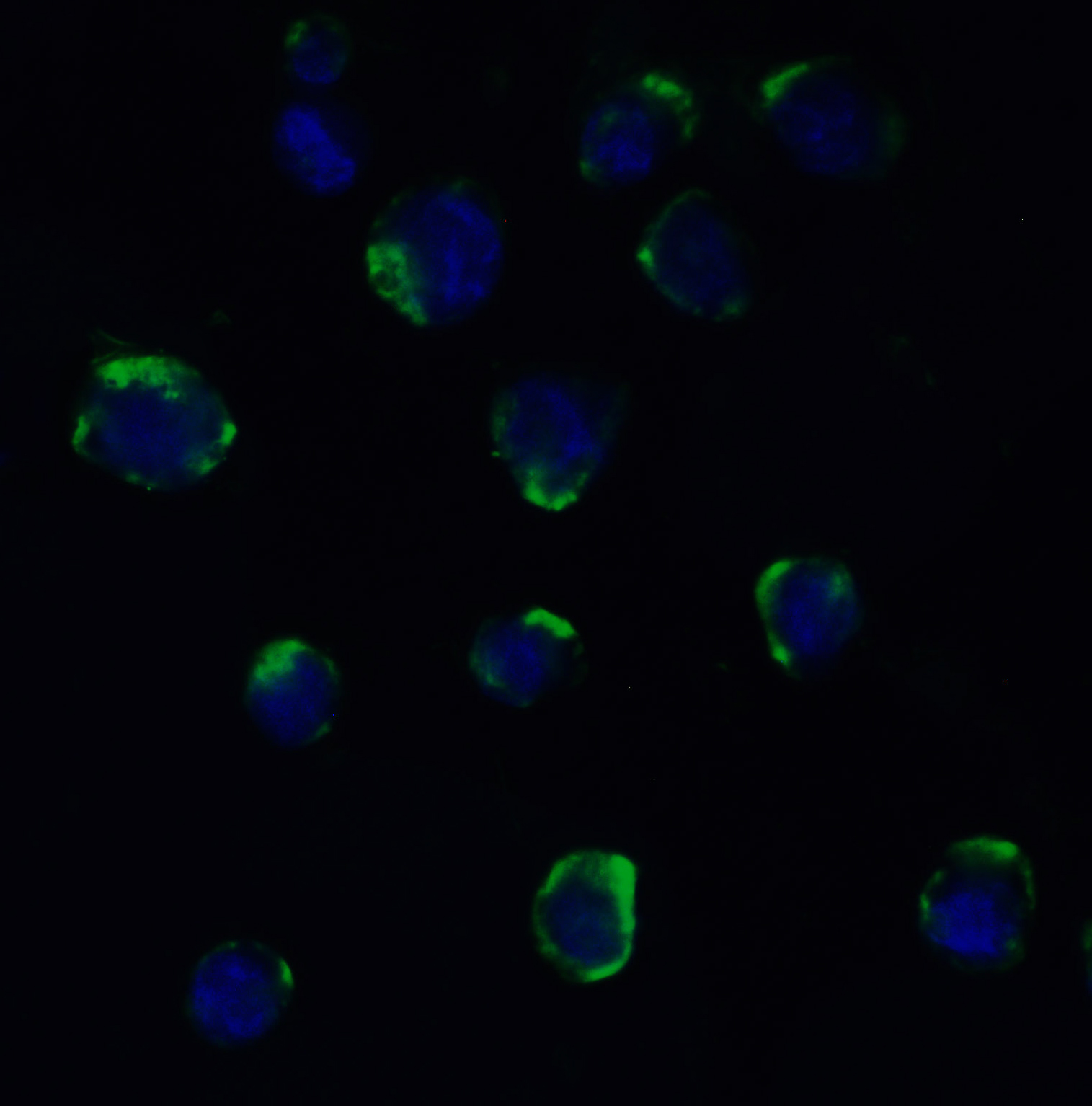
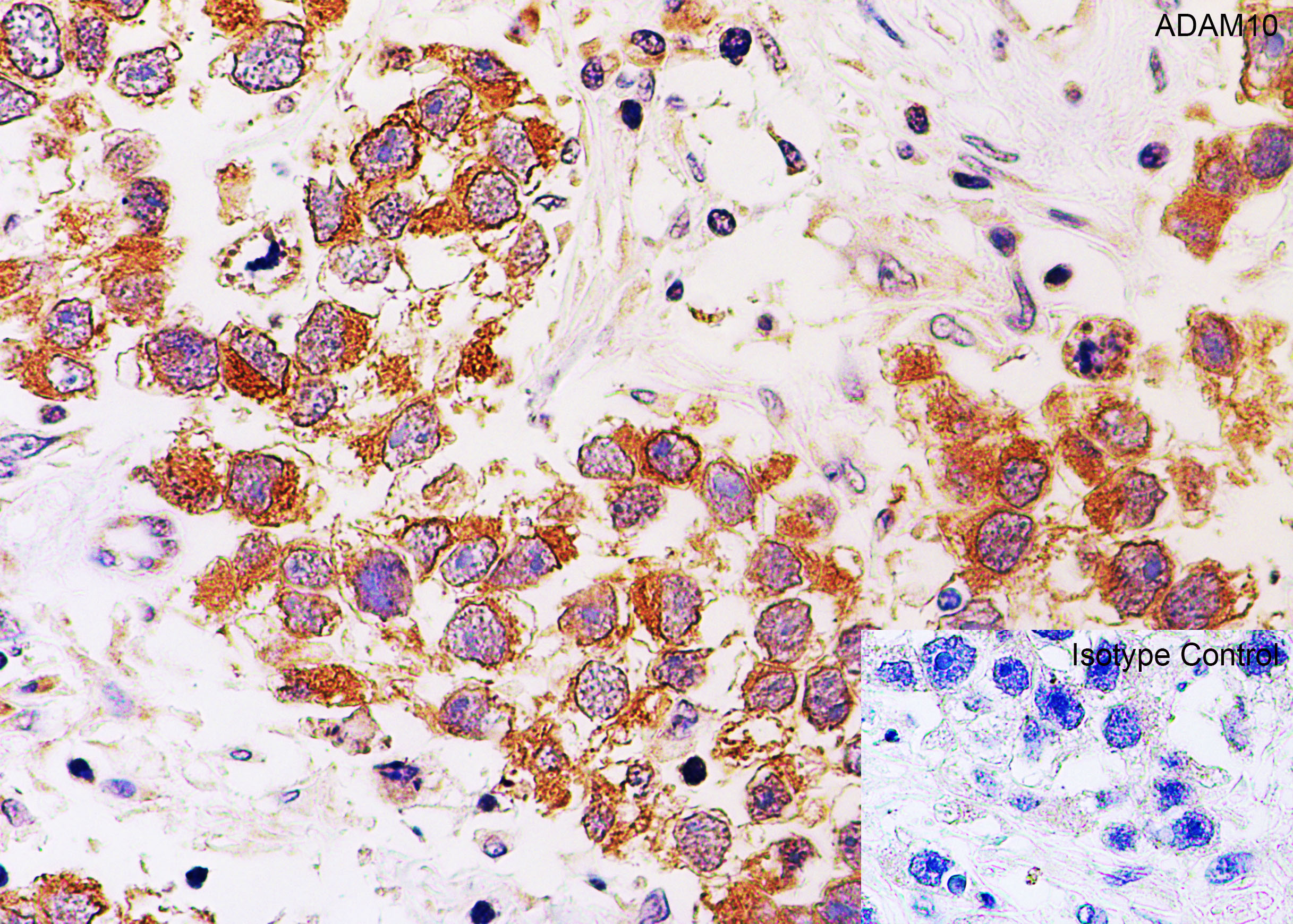
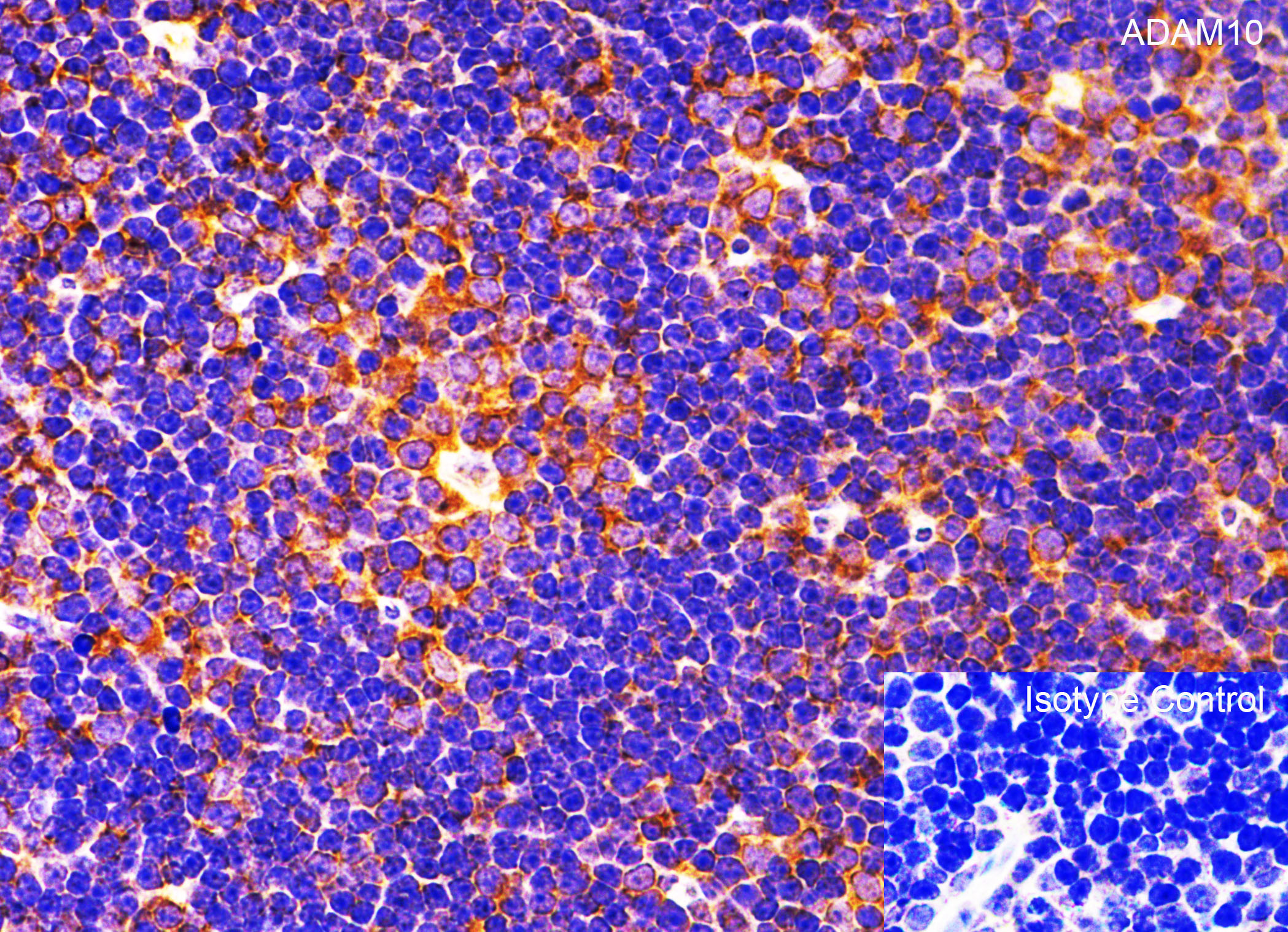
WB: 1-2 μg/mL; IHC-P: 1-2 μg/mL; IHC-P/IF: 10-20 μg/mL; ICC/IF: 10-20 μg/mL.

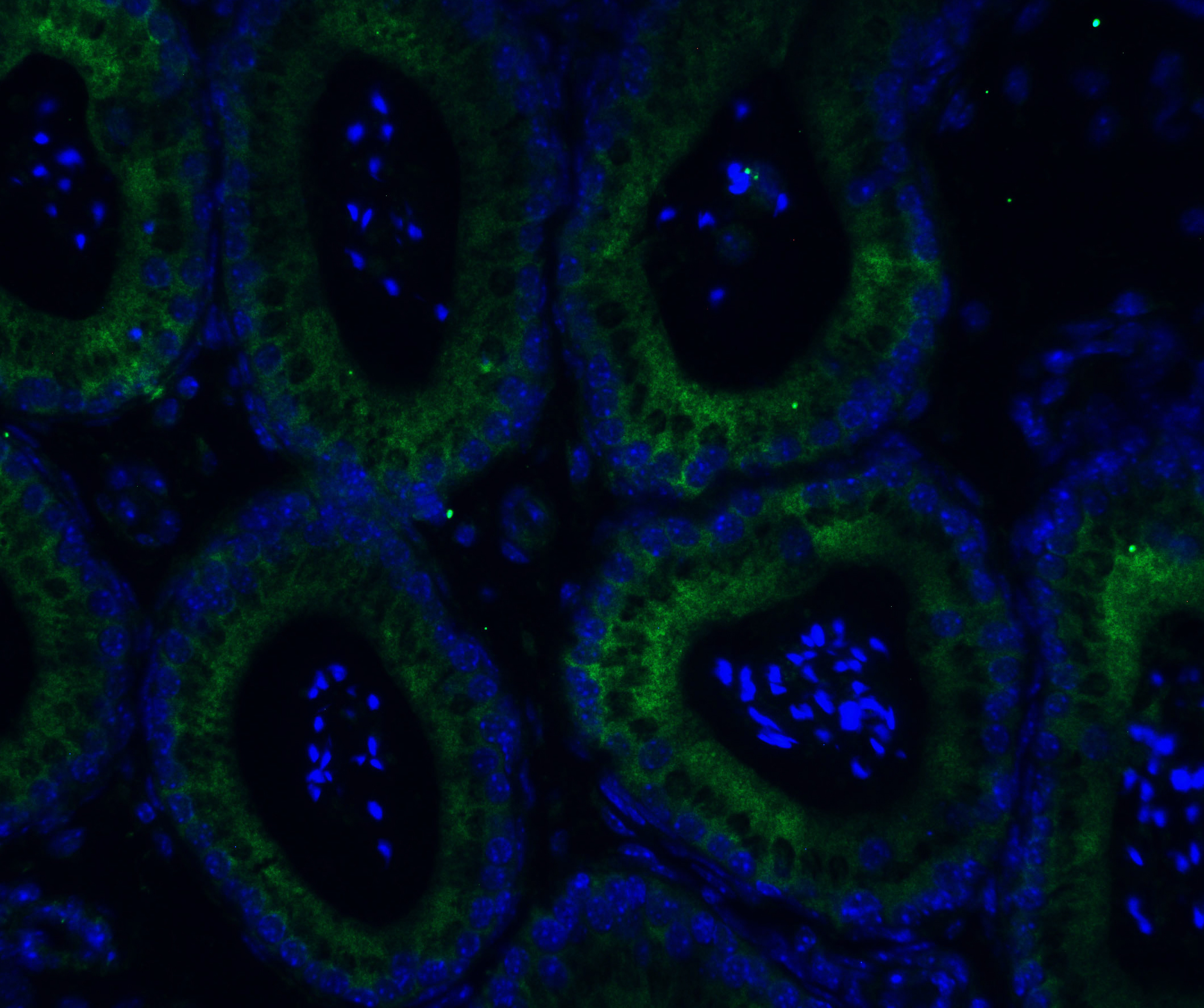
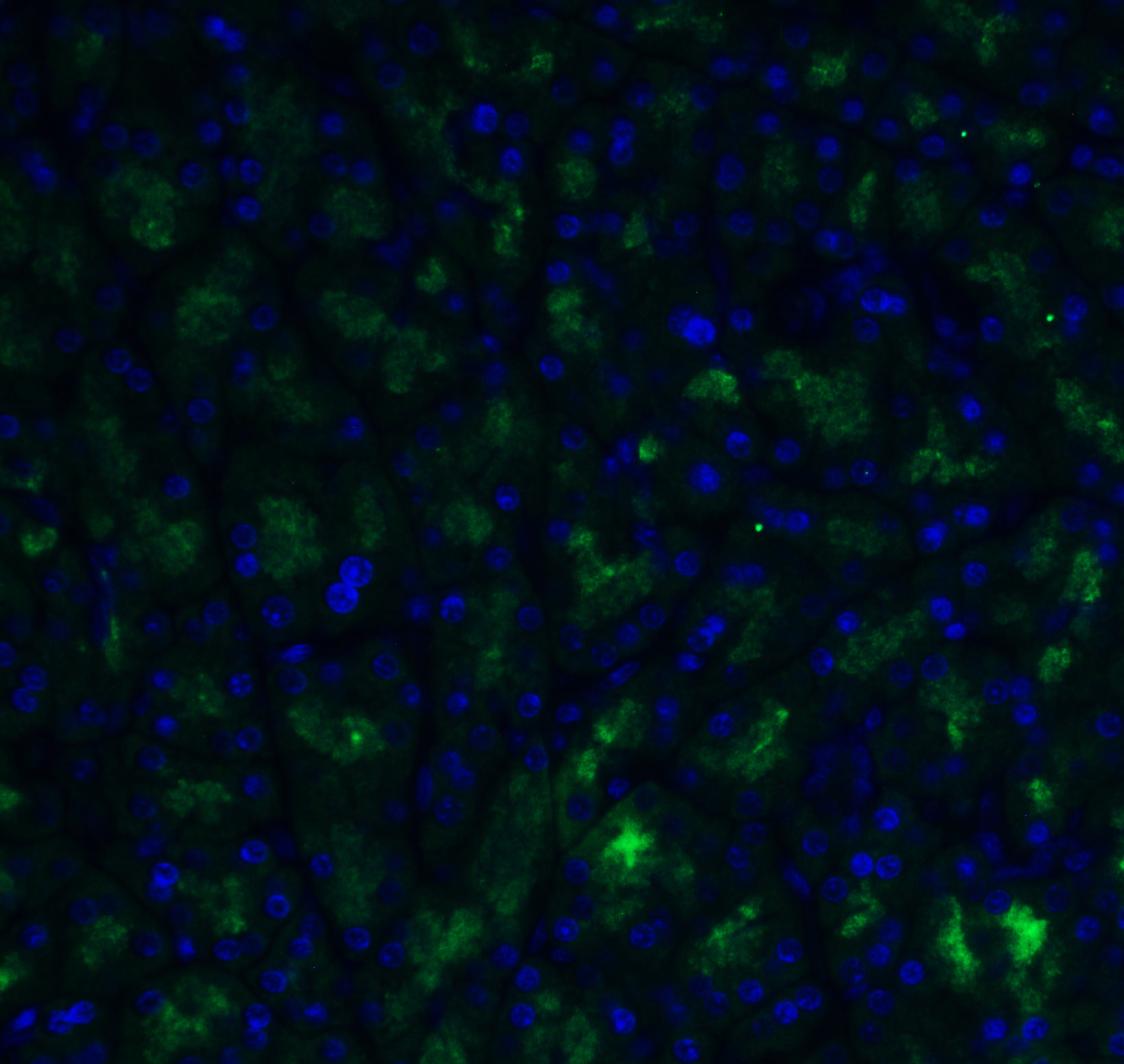
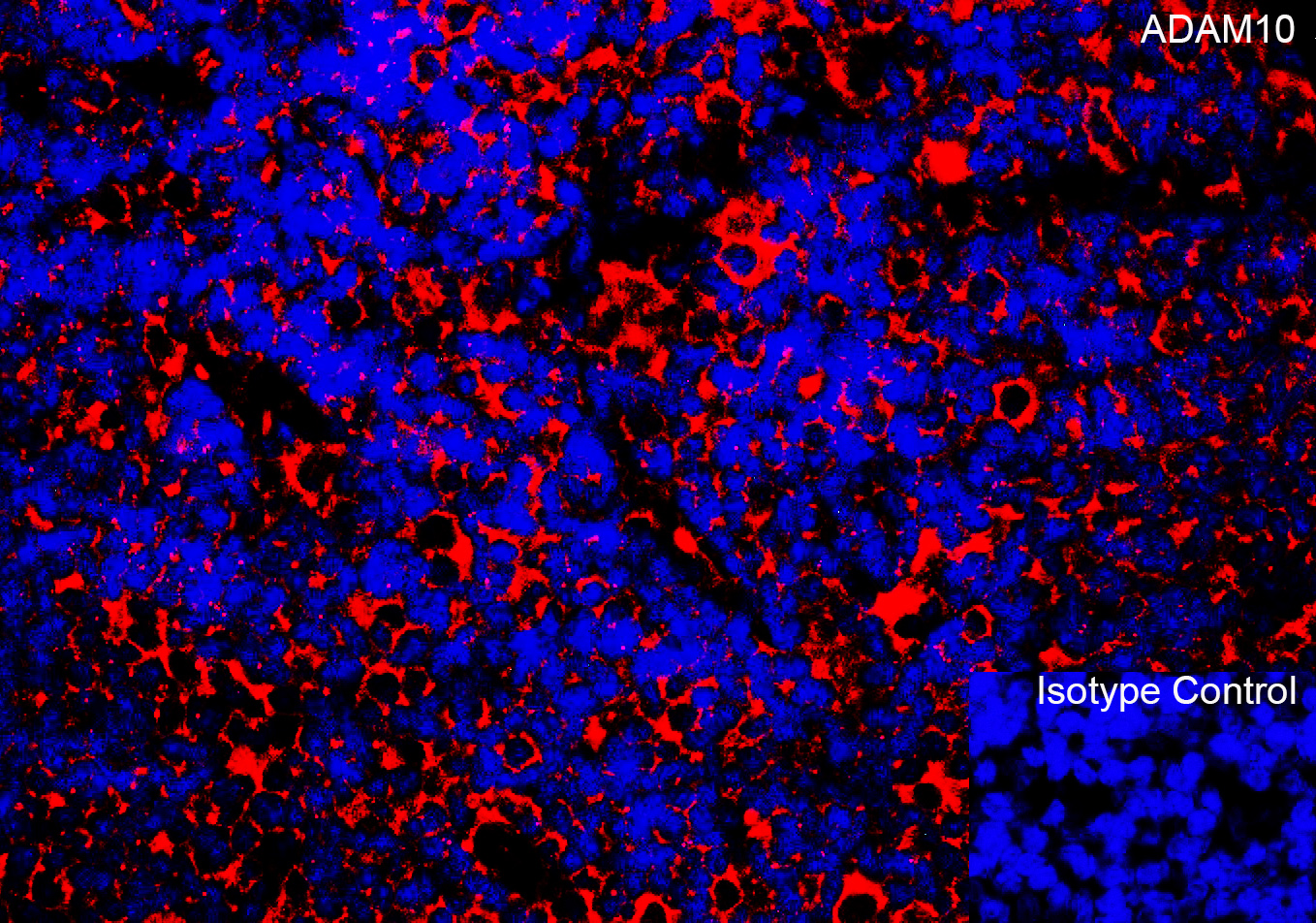
Antibody validated: Western Blot in human, mouse and rat samples; Immunofluorescence in human, mouse and rat samples; Immunohistochemistry in human and mouse samples. All other applications and species not yet tested.
Positive Control 1:
Cat. No. 1224 - Daudi Cell Lysate
Positive Control 2:
Cat. No. 17-004 - K-562 Cell Slide
Predicted Molecular Weight:
Predicted: 84kD
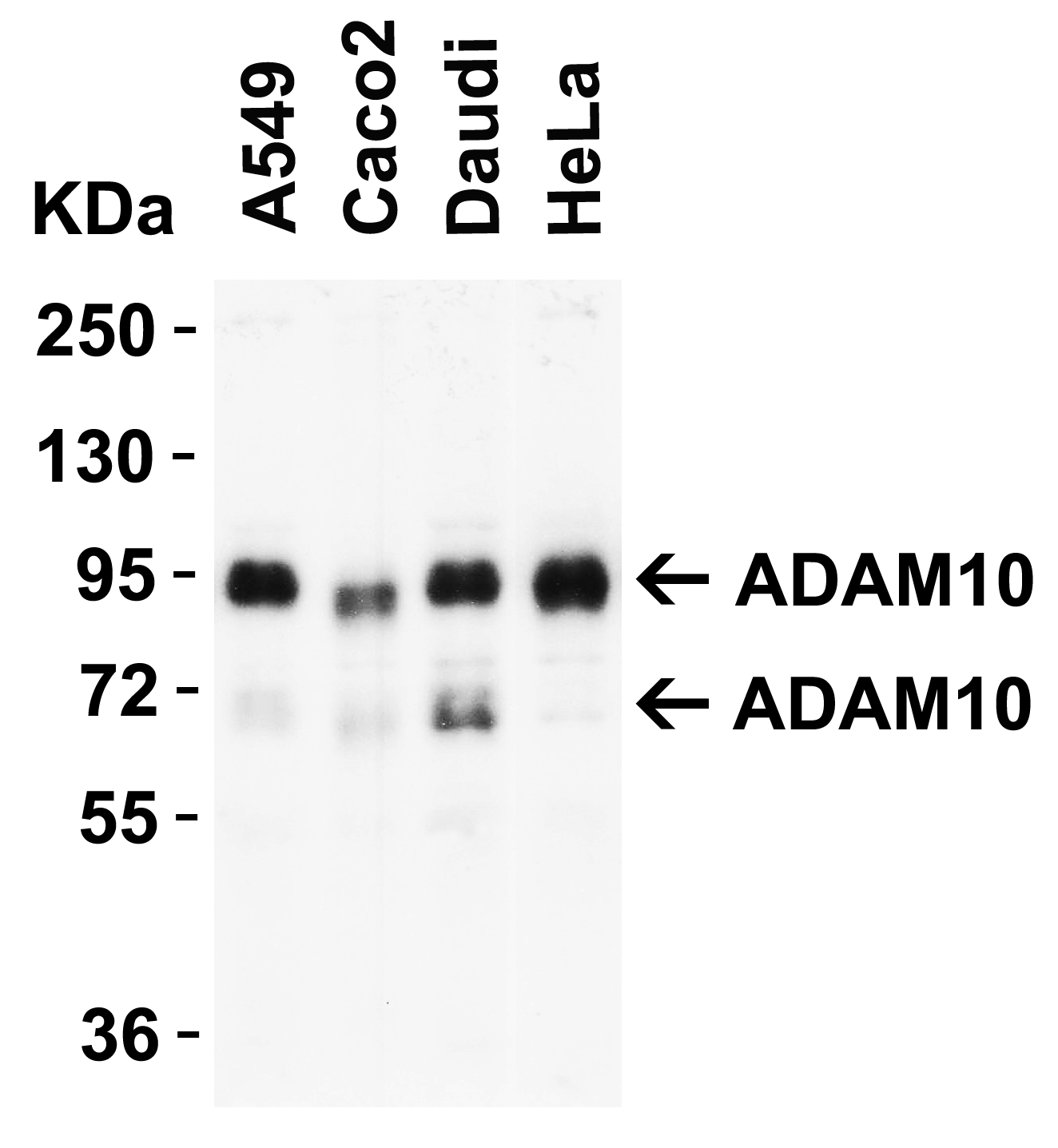
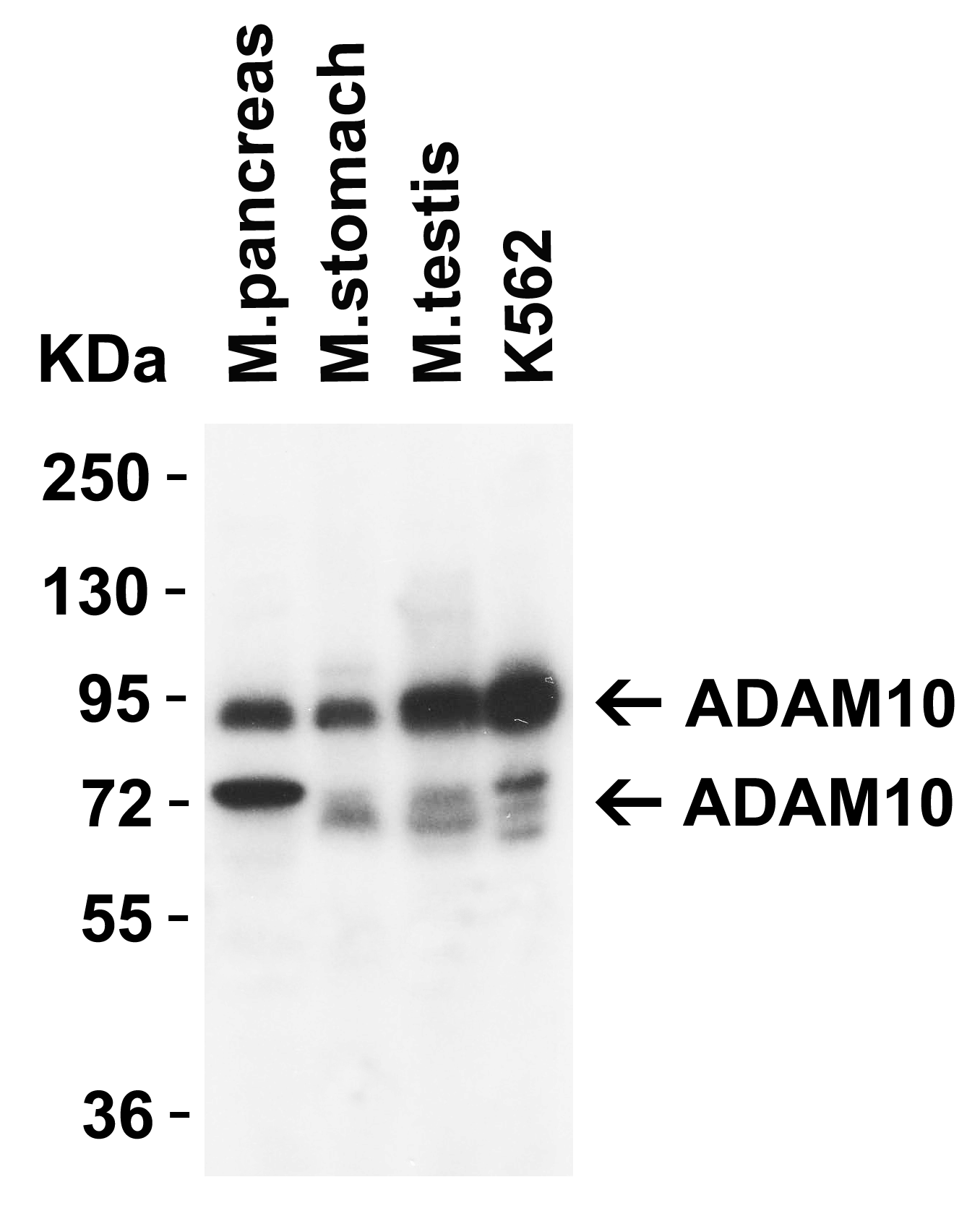
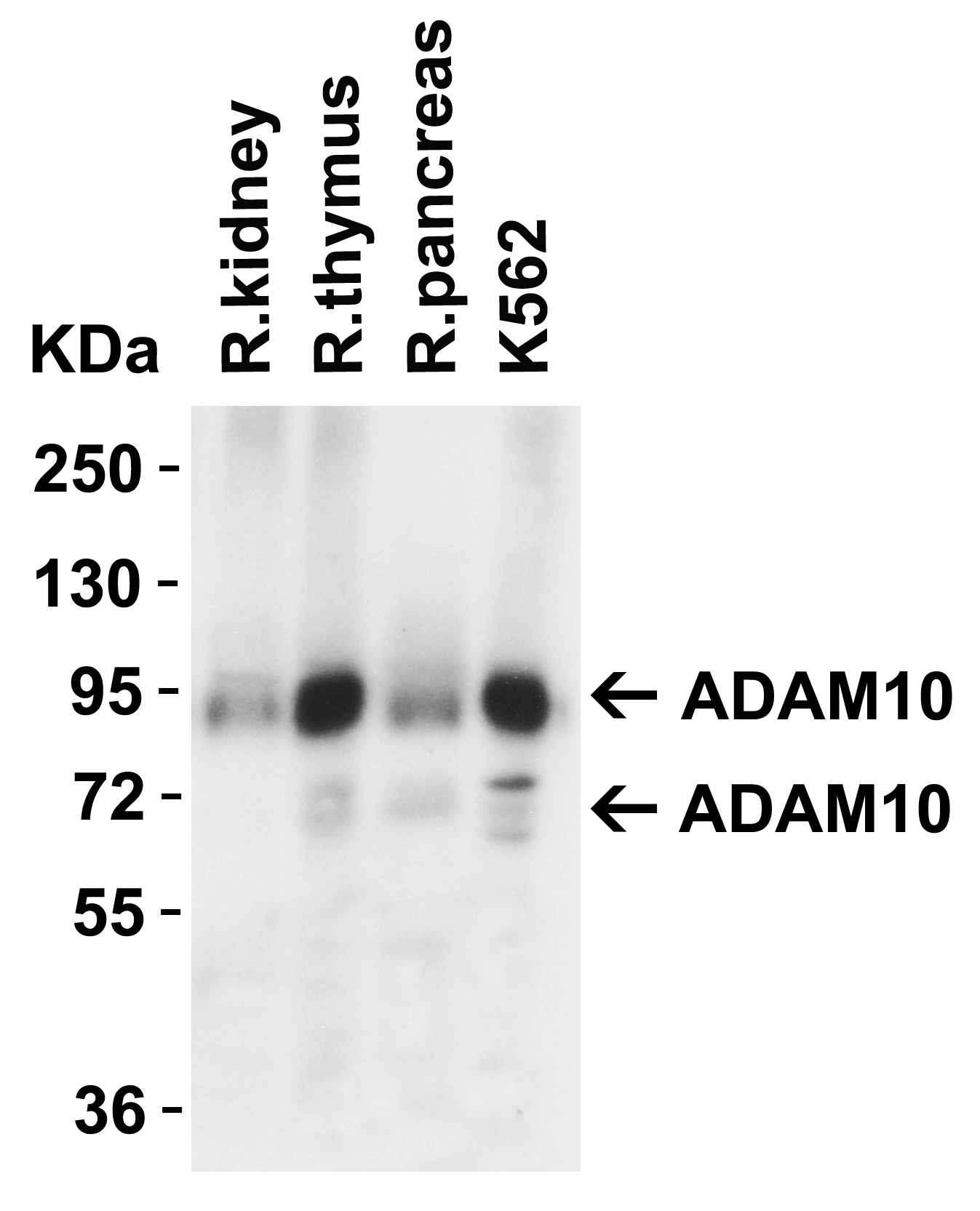
Observed: 94 kD (precursor) and 68kD (mature form)
Validation:

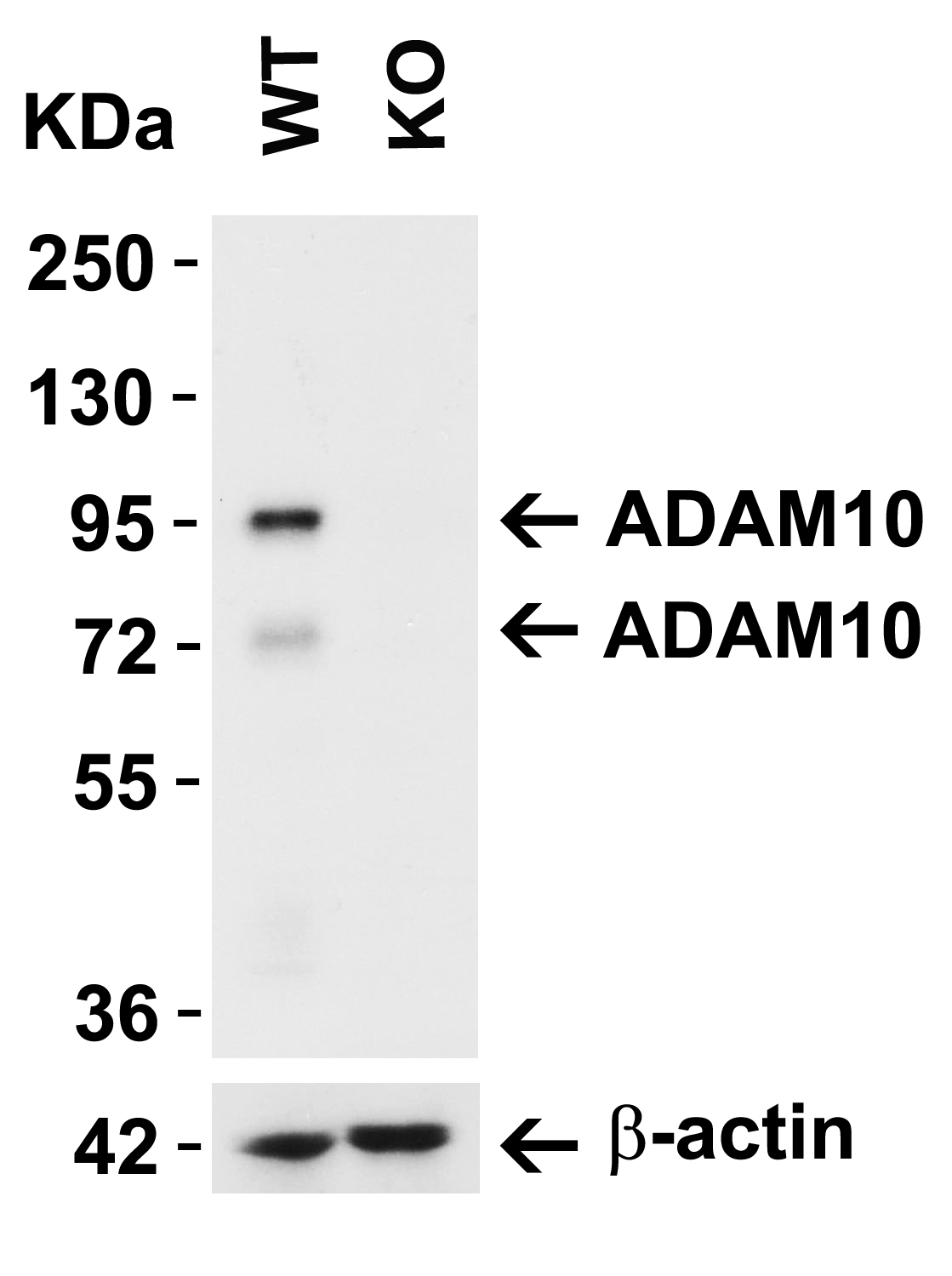
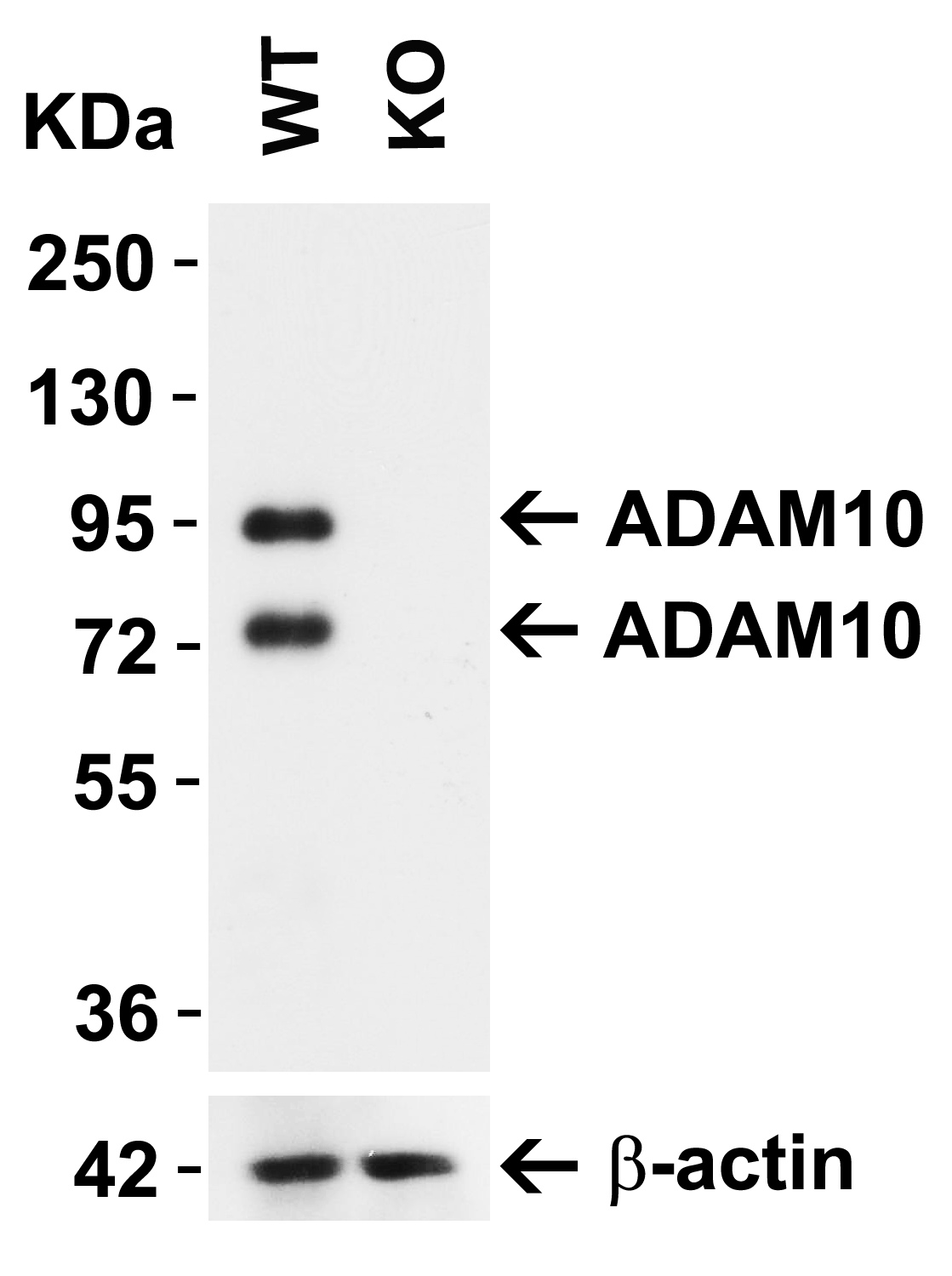
KO validation (Figure 1 and 2): Anti-ADAM10 antibody (2051) specificity was further verified by ADAM10 specific knockout. ADAM10 signal in was detected by 2051 in wild type of MEF cells and 293 cells, but not in ADAM10 knockout cells.

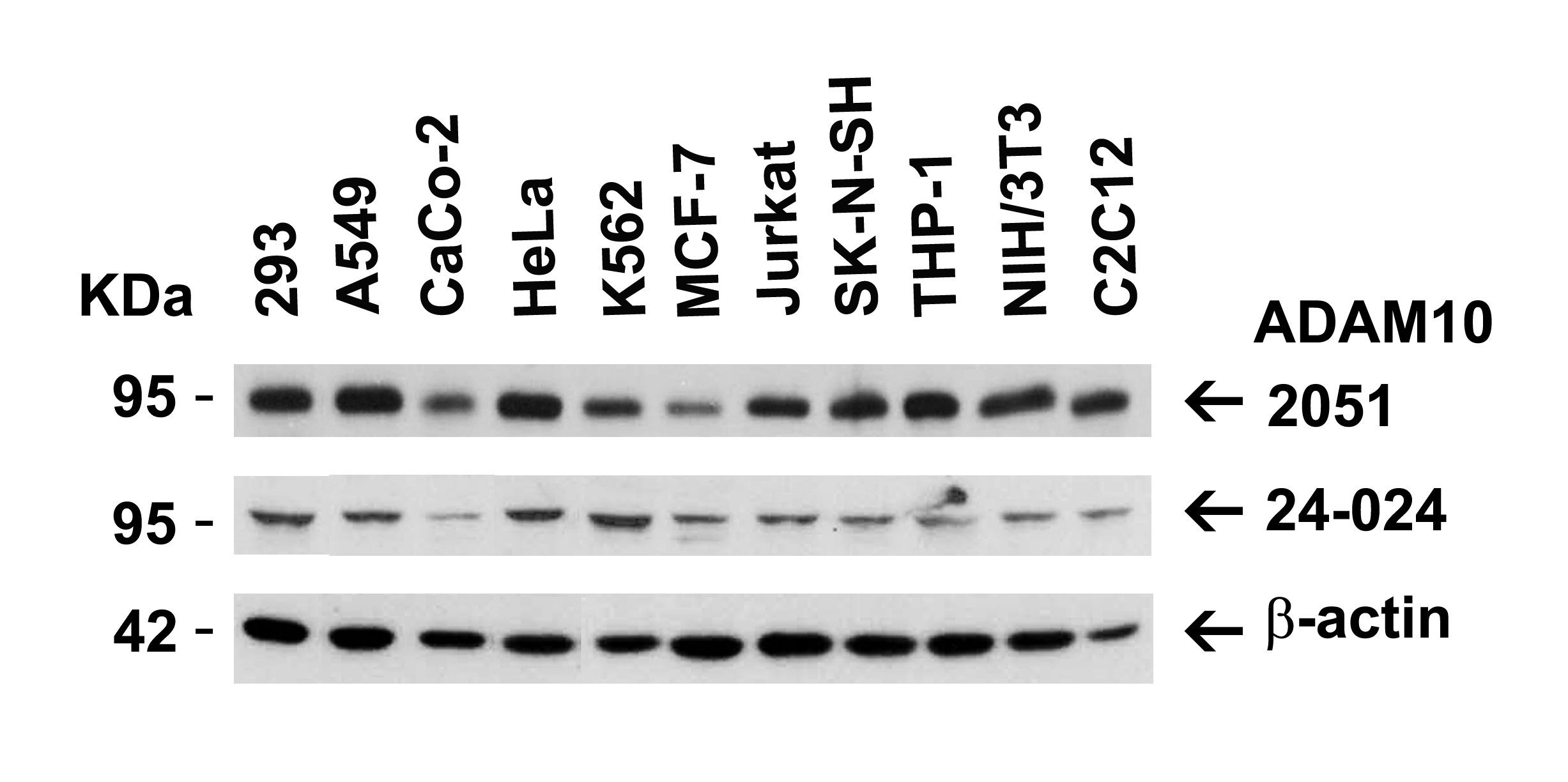
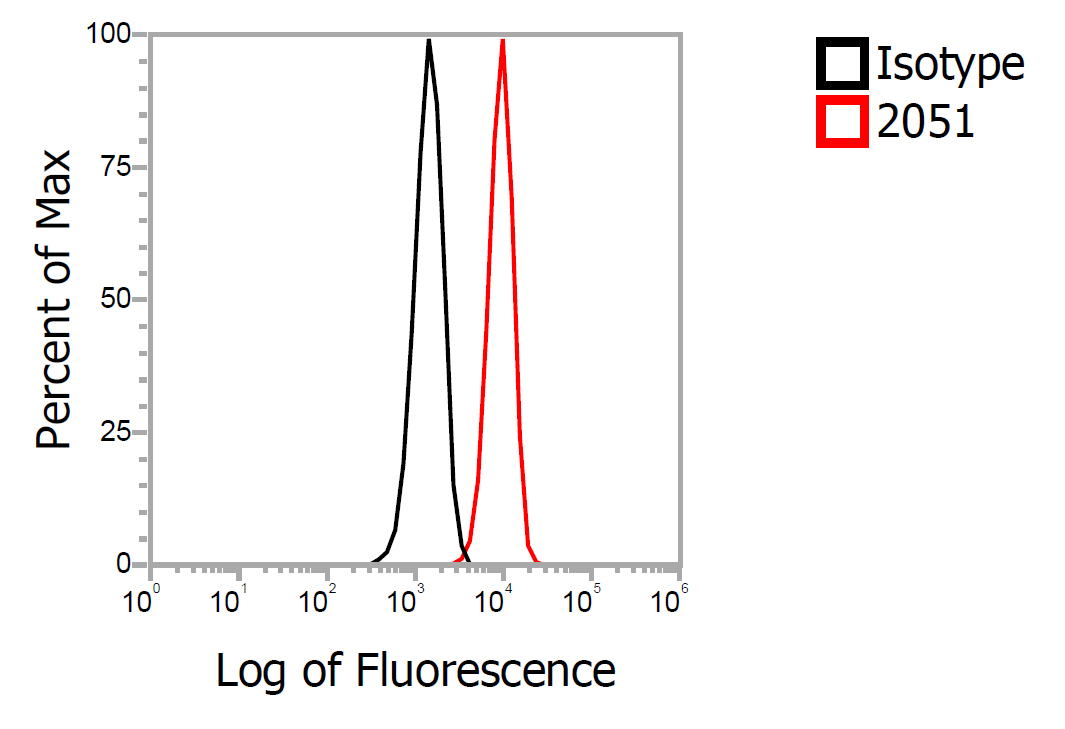
Independent Antibody Validation in Cell lines (Figure 3) shows similar ADAM10 expression profile in human and mouse cell lines detected by two independent anti-ADAM10 antibodies that recognize different epitopes, 2051 against C-terminus domain and 24-024 against human recombinant fusion protein.  ADAM10 proteins are detected in the most tested cell lines at different expression levels by the two independent antibodies. 

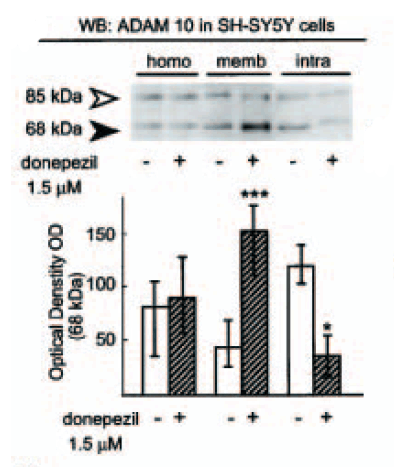
Regulated expression validation (Figure 14): ADAM10 expression detected by anit-ADAM10 antibodies (2051) was down-regulated when exposed to oxygen-glucose deprivation (OGD) or glutamate (Fig 8), and up-regulated in membrane compartment whereas down-regulated in intracellular fractions when treated with donepezil (Fig 14).

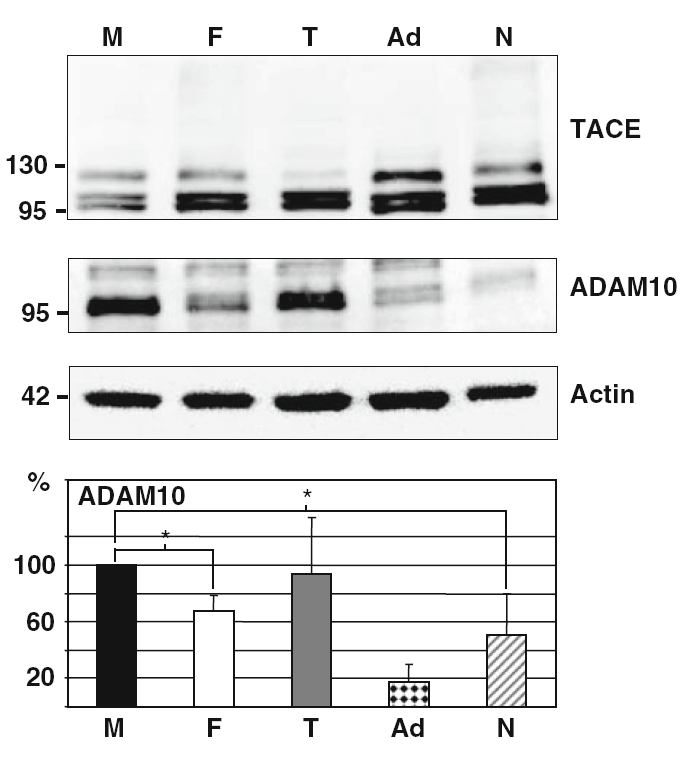
KD validation (Figure 15): Anti-ADAM10 antibody (2051) specificity was further verified by ADAM10 specific knockdown. ADAM10 signal in HEK/APP cells transfected with ADAM10 siRNA or Ferrochelatase siRNA (F) or N-methylprotoporphyrin IX siRNA (N) was disrupted in comparison with that in mock-transfected cells (M) or cells transfected with TACE siRNA (T).

Isoforms:
Human ADAM10 has 2 isoforms, including isoform 1 (748aa, 84kD) and isoform 2 (447aa, 49kD). Mouse ADAM10 has one isoform (749aa, 84kD) and Rat ADAM10 also has one isoform (749aa, 84kD). ADAM10 of human, mouse and rat has precursor form (94kD) and mature form (68kD). 2051 can detect both precursor ADAM10 and mature ADAM10 in human, mouse and rat.
Purification:
ADAM10 Antibody is Protein A purified.
Clonality:
Polyclonal
Isotype:
IgG
physical-state:
Liquid
Buffer:
ADAM10 Antibody is supplied in PBS containing 0.02% sodium azide.
Concentration:
1 mg/mL
Storage Conditions:
ADAM10 antibody can be stored at 4°C for three months and -20°C, stable for up to one year. As with all antibodies care should be taken to avoid repeated freeze thaw cycles. Antibodies should not be exposed to prolonged high temperatures.
Ncbi Official Symbol:
ADAM10
Additional Names:
ADAM10 Antibody: RAK, kuz, AD10, AD18, MADM, CD156c, HsT18717, KUZ, Disintegrin and metalloproteinase domain-containing protein 10, CDw156, ADAM 10
Protein Accession Number:
NP_001101
Protein Gi Number:
4557251
Ncbi Gene Id Number:
102
User Note:
Optimal dilutions for each application to be determined by the researcher.
Background:
ADAM10 Antibody: Proinflammatory cytokine tumor necrosis factor-alpha (TNF-α) contributes to a variety of inflammatory responses and programmed cell death. Notch receptor and its ligand participate in cell fate decisions during vertebrate development and are associated with several human disorders, including a T-cell lymphoma. TNF-α, notch and its ligand delta are all membrane-bond molecules, which are cleaved by proteases to release mature proteins or functional receptor. ADAM10, a metalloprotease-disintegrin in the family of mammalian ADAM (for a disintegrin and metalloprotease), was recently identified to cleave TNF-α, notch and its ligand delta. The genes encoding human, mouse, and bovine ADAM10 were recently cloned and designated ADAM 10, kuzbanian (KUZ), and MADM, respectively. ADAM10 mRNA is expressed in a variety of human and bovine tissues.
Background Reference 1:
Rosendahl et al. J Biol Chem 1997;272:24588-93.
Background Reference 2:
Pan and Rubin. Cell 1997;90:271-80.
Background Reference 3:
Qi et al. Science 1999;283:91-4.
Background Reference 4:
Howard et al. Biochem J 1996;317:45-50. (RD1299).
Citation 1:
Al-Tamimi et al. Pathologic shear triggers shedding of vascular receptors: a novel mechanism for down-regulation of platelet glycoprotein VI in stenosed coronary vessels. Blood. 2012;119(18):4311-20. PMID: 22431567
Citation 2:
Hurtado et al. TACE/ADAM17-TNF-alpha pathway in rat cortical cultures after exposure to oxygen-glucose deprivation or glutamate. J Cereb Blood Flow Metab. 2002;22(5):576-85.PMID: 11973430
Citation 3:
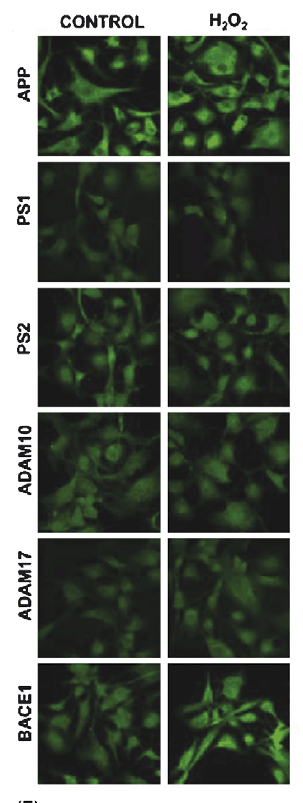
Coma et al. Oxidative stress triggers the amyloidogenic pathway in human vascular smooth muscle cells. Neurobiol Aging. 2008;29(7):969-80. PMID: 17306421
Citation 4:
Mosser et al. The adipocyte differentiation protein APMAP is an endogenous suppressor of Aβ production in the brain. Hum Mol Genet. 2015;24(2):371-82. PMID: 25180020
Citation 5:
Zimmermann et al. Acetylcholinesterase inhibitors increase ADAM10 activity by promoting its trafficking in neuroblastoma cell lines. J Neurochem. 2004;90(6):1489-99.PMID: 15341532
Citation 6:
Gatta et al. Inhibition of heme synthesis alters Amyloid Precursor Protein processing. J Neural Transm (Vienna). 2009;116(1):79-88. PMID: 19002554
Citation 7:
Zimmermann et al. Cholinesterase inhibitors influence APP metabolism in Alzheimer disease patients. Neurobiol Dis. 2005;19(1-2):237-42. PMID: 15837579
Citation 8:
Kabacik and Raj. Ionising radiation increases permeability of endothelium through ADAM10-mediated cleavage of VE-cadherin. Oncotarget. 2017;8(47):82049-82063. PMID: 29137243
Citation 9:
Colciaghi et al. [alpha]-Secretase ADAM10 as well as [alpha]APPs is reduced in platelets and CSF of Alzheimer disease patients. Mol Med. 2002;8(2):67-74. PMID: 12080182
Citation 10:
Bandyopadhyay et al. Interleukin-1alpha stimulates non-amyloidogenic pathway by alpha-secretase(ADAM-10 and ADAM-17) cleavage of APP in human astrocytic cells involving p38 MAP kinase. J Neurosci Res. 2006;84(1):106-18. PMID: 16724341
Citation 11:
Hiltunen et al. Ubiquilin 1 modulates amyloid precursor protein trafficking and Abeta secretion. J Biol Chem. 2006;281(43):32240-53. PMID: 16945923
Citation 12:
Harjes et al. Fatty acid-binding protein 4, a point of convergence for angiogenic and metabolic signaling pathways in endothelial cells. J Biol Chem. 2014;289(33):23168-76. PMID: 24939870
Citation 13:
Levin-Allerhand et al. 17Alpha-estradiol and 17beta-estradiol treatments are effective in lowering cerebral amyloid-beta levels in AbetaPPSWE transgenic mice. J Alzheimers Dis. 2002;4(6):449-57. PMID: 12515896
Citation 14:
Peng et al. Huperzine A regulates amyloid precursor protein processing via protein kinase C and mitogen-activated protein kinase pathways in neuroblastoma SK-N-SH cells over-expressing wild type human amyloid precursor protein 695. Neuroscience. 2007;150(2):386-95. PMID: 17945434
Citation 15:
Smith et al. Compositions and methods for inhibiting beta amyloid secretion. U.S. Patent application publication. 2013. Pub. No.: US 2013/0158112 A1.
Citation 16:
Can Zhang. Identifying Genes That Encode APP Metabolism Modulators On Chromosome 9q22. Drexel University, Philadelphia, PA. PhD Thesis, 2007.

FOR RESEARCH USE ONLY

For additional information, visit ProSci’s Terms & Conditions Page.

Disclaimer:
Optimal dilutions/concentrations should be determined by the end user. The information provided is a guideline for product use. This product is for research use only.

CATALOG NUMBER:

2051

List Size:
0.02 mg, 0.1 mg

List Price:

Price range: $99.00 through $445.00

Shipping Info
Customize your order
Custom Antibody Services

New & Featured Products

CATALOG NUMBER: PM-7369-HRP

CATALOG NUMBER: PM-7369-biotin

CATALOG NUMBER: PM-7369