Cell Treatment
IAV
KD
Most Cited
Most Images
Trial Size

AIF Antibody

CATALOG NUMBER: 2267

Clonality:
Polyclonal
Tested Applications:
ELISA, IHC-P, WB
Host Species:
Rabbit
Species Reactivity:
Human, Mouse, Rat
Conjugate:
Unconjugated
Specifications
Host Species:
Rabbit
Species Reactivity:
Human, Mouse, Rat
Immunogen:
Anti-AIF antibody (2267) was raised against a peptide corresponding to 15 amino acids near the center of human AIF.
The immunogen is located within amino acids 500-550 of AIF.
Conjugate:
Unconjugated
Tested Applications:
ELISA, IHC-P, WB
Application Note:
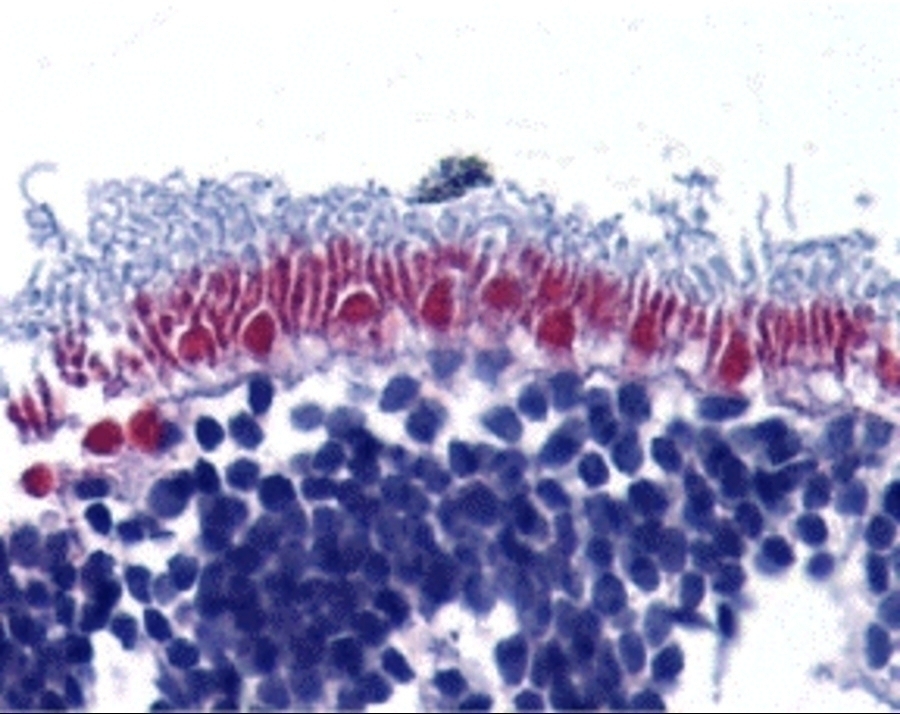
WB: 1-2 μg/mL; IHC-P: 10 μg/mL.
Antibody validated: Western Blot in human, mouse, and rat samples; Immunohistochemistry in human samples. All other applications and species not yet tested.
Specificity:
At least five isoforms of AIF are known to exist; this antibody will detect all isoforms except isoform 5.
Positive Control 1:
Cat. No. 1204 - K562 Cell Lysate
Positive Control 2:
Cat. No. 1461 - Rat Heart Tissue Lysate
Positive Control 3:
Cat. No. 1401 - Mouse Heart Tissue Lysate
Predicted Molecular Weight:
Predicted: 67 kDa
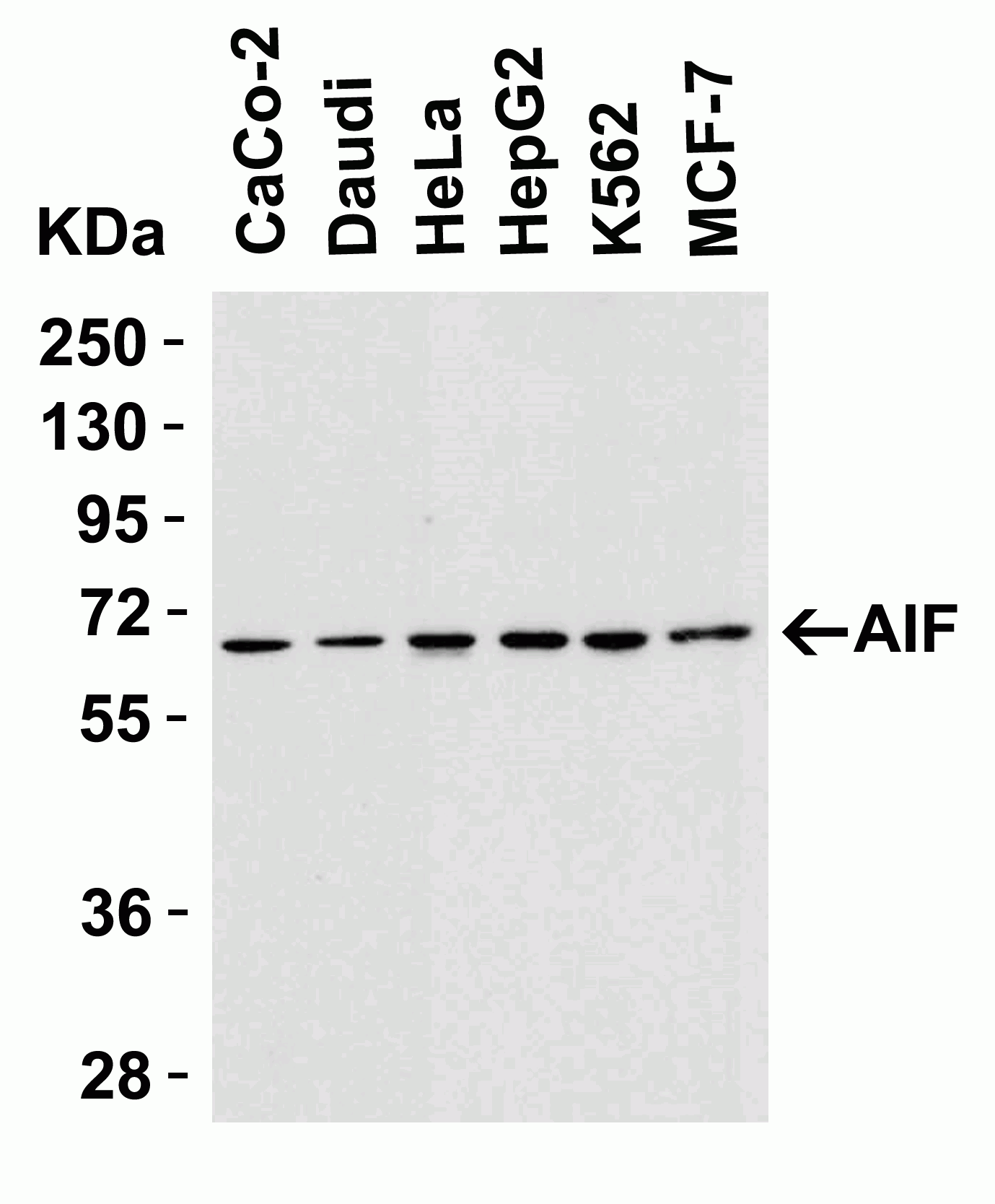
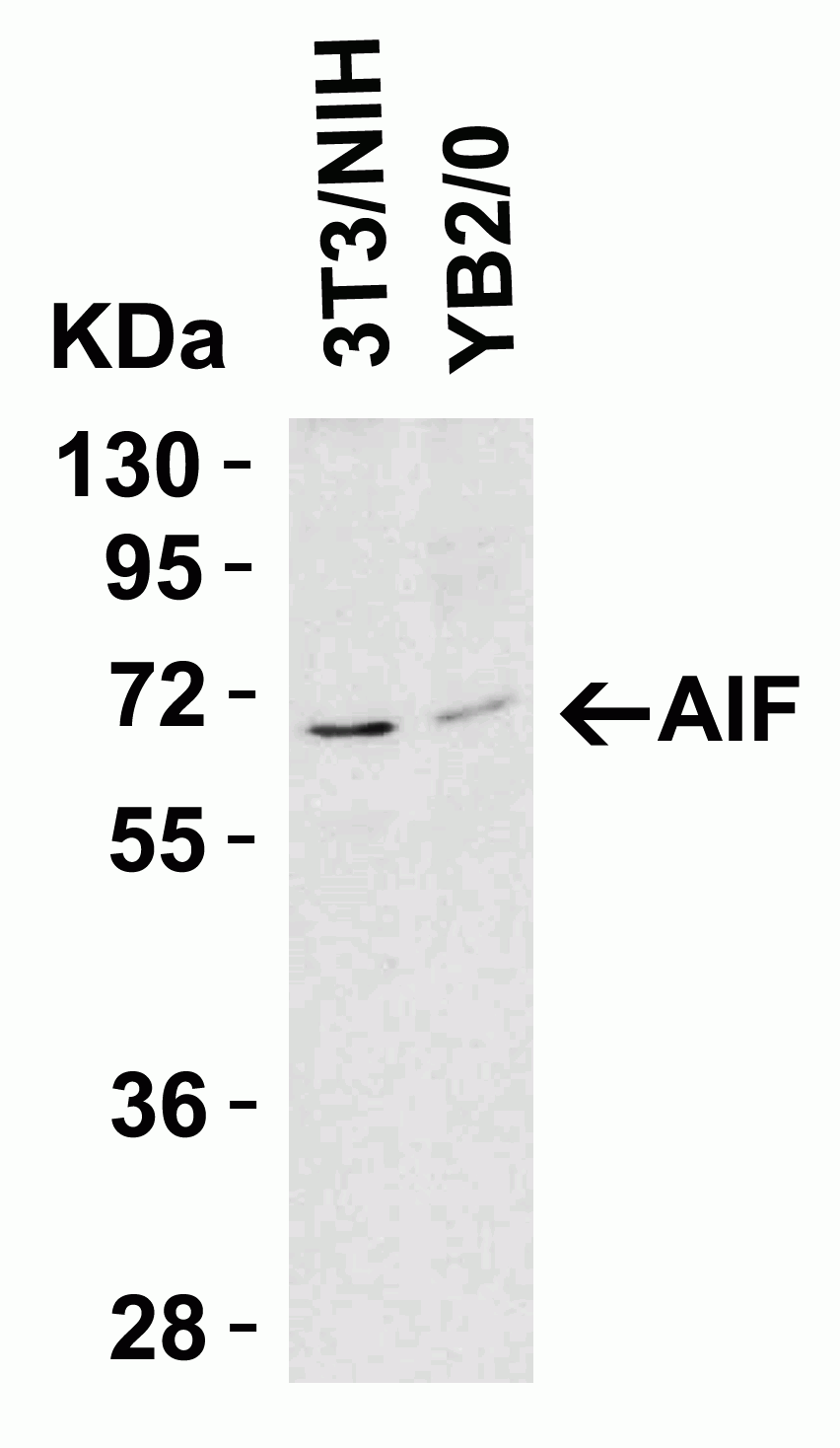
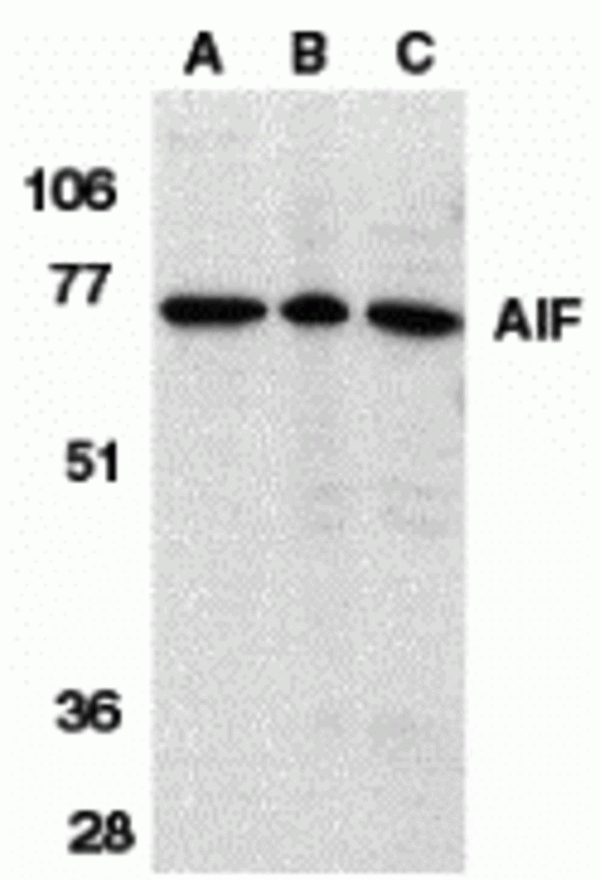
Observed: 68 kDa
Validation:

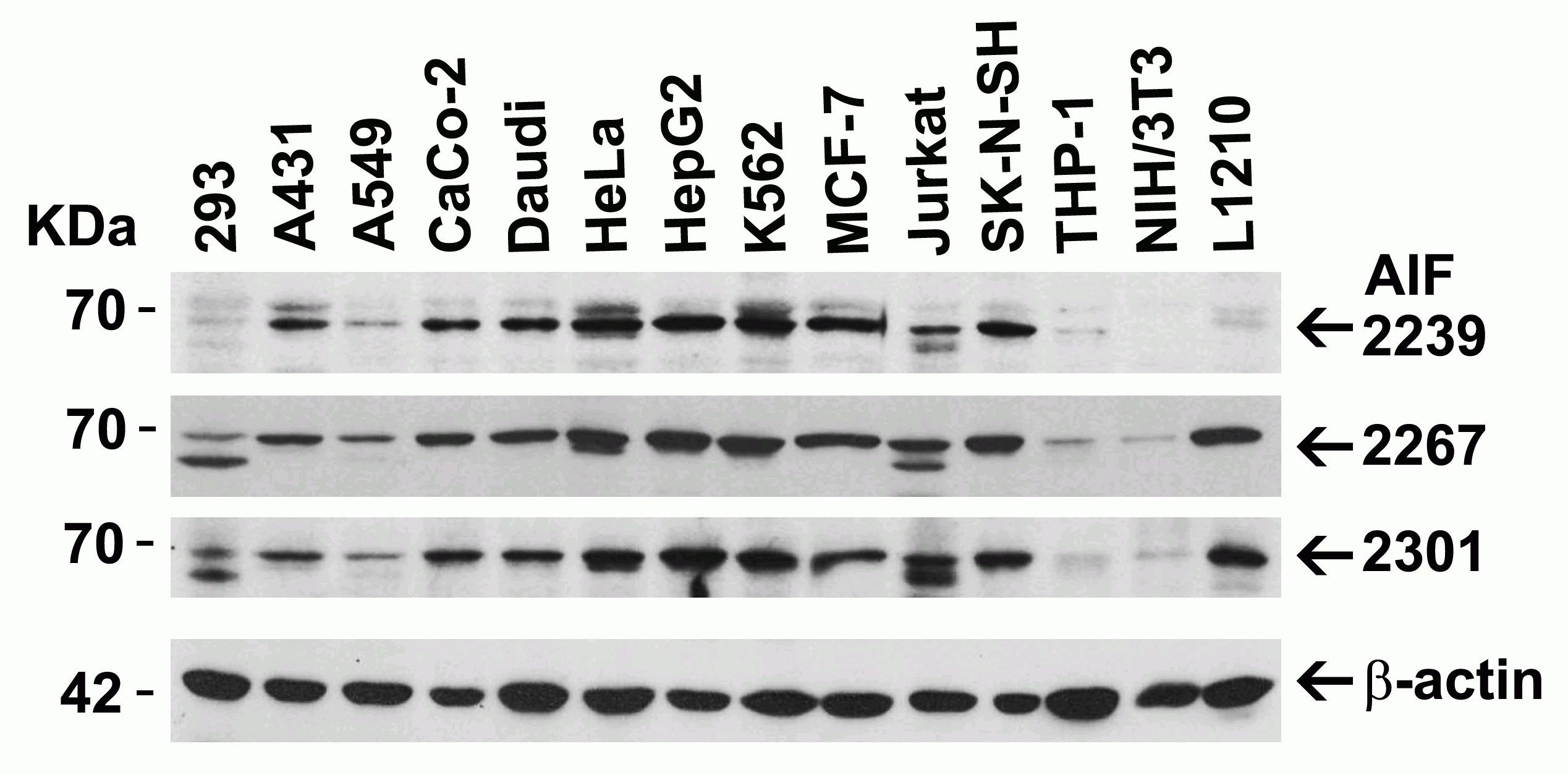
Independent Antibody Validation in Cell lines (Figure 2) shows similar AIF expression profile in human and mouse cell lines detected by three independent anti-AIF antibodies that recognize different epitopes, 2267 against central domain, 2239 against N-terminus domain and 2301 against C-terminus domain.  AIF proteins are detected in the most tested cell lines at different expression levels by the three independent antibodies. 

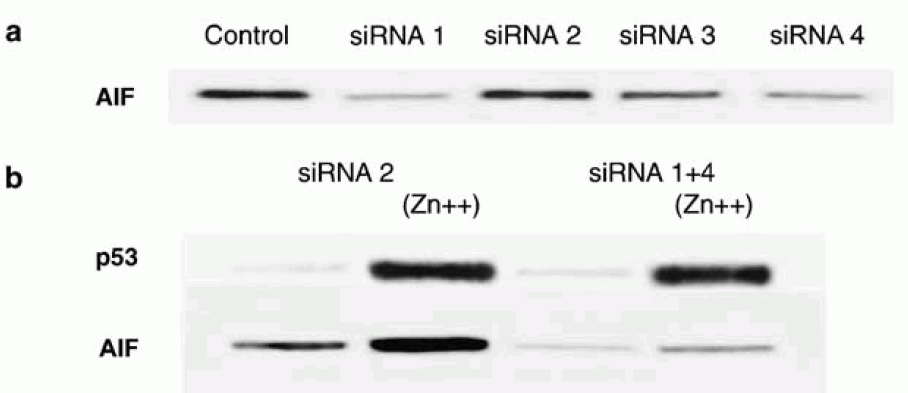
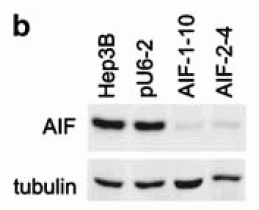
KD Validation (Figure 6,7): Anti-AIF antibody specificity was further verified by AIF specific knockdown. AIF signal in H1299 cells and AIF stable cells transfected with AIF siRNAs was disrupted in comparison with that in cells transfected with control siRNAs.

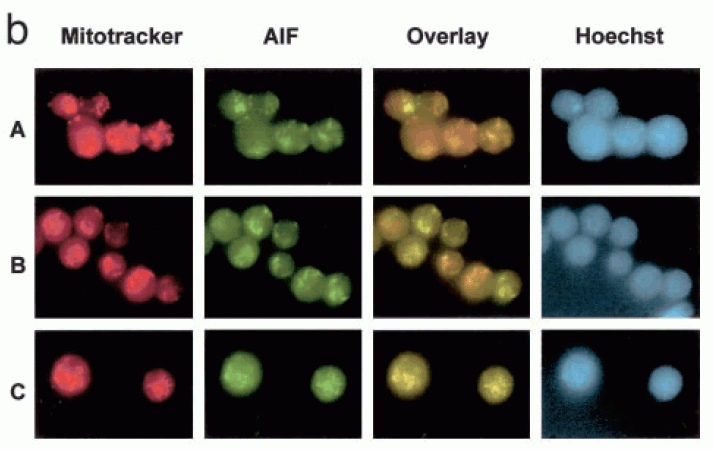
Localization Validation (Figure 10): AIF detected by anti-AIF antibodies is colocalized with Mitotracker (mitochondrion marker).  AIF is localized in mitochondria.

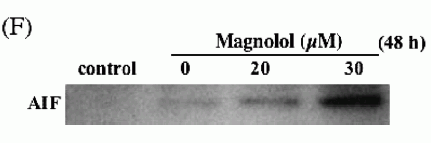
Induced Expression Validation (Figure 11): AIF expression detected by anit-AIF antibodies was up-regulated by Magnolol treatment.

Isoforms:
Human AIF has 6 isoforms, including isoform 1 (613aa, 67kD), isoform 2 (326aa, 36kD), isoform 3 (609aa, 66kD), isoform 4 (324aa, 35kD), isoform 5 (261aa, 28kD), and isoform 6 (237aa, 26kD). Mouse AIF has one isoform (612aa, 67kD) and Rat AIF also has one isoform (612aa, 67kD). 2267 can detect 4 human isoforms (1,2,3,5) and can also detect mouse and rat AIF.

Purification:
AIF Antibody is affinity chromatography purified via peptide column.
Clonality:
Polyclonal
Isotype:
IgG
physical-state:
Liquid
Buffer:
AIF Antibody is supplied in PBS containing 0.02% sodium azide.
Concentration:
1 mg/mL
Storage Conditions:
AIF antibody can be stored at 4°C for three months and -20°C, stable for up to one year. As with all antibodies care should be taken to avoid repeated freeze thaw cycles. Antibodies should not be exposed to prolonged high temperatures.
Ncbi Official Symbol:
AIFM1
Additional Names:
AIF Antibody: Apoptosis-inducing factor 1, Programmed cell death protein 8, AIF, PDCD8
Protein Accession Number:
O95381
Protein Gi Number:
50400606
Ncbi Gene Id Number:
9131
User Note:
Optimal dilutions for each application to be determined by the researcher.
Background:
AIF Antibody: Apoptosis is characterized by several morphological nuclear changes including chromatin condensation and nuclear fragmentation. These changes are triggered by the activation of members of caspase family, caspase activated DNase, and several novel proteins. A novel gene, the product of which causes chromatin condensation and DNA fragmentation, was recently identified, cloned, and designated apoptosis inducing factor (AIF). Like the critical molecules, cytochrome c and caspase-9, in apoptosis, AIF localizes in mitochondria. AIF translocates to the nucleus when apoptosis is induced and induces mitochondria to release the apoptogenic proteins cytochrome c and caspase-9. AIF induces chromatin condensation and large scale DNA fragmentation, which are the hallmarks of apoptosis, of the isolated nucleus and the nucleus in live cells by microinjection and apoptosis stimuli. AIF is highly conserved between human and mouse and widely expressed.
Background Reference 1:
Zamzami et al. Nature 1999; 401:127-8.
Background Reference 2:
Susin et al. Nature 1999; 397:441-6
Background Reference 3:
Daugas et al. FASEB J. 2000; 14:729-39
Citation 1:
Stambolsky et al. Regulation of AIF expression by p53. Cell Death Differ. 2006;13(12):2140-9. PMID: 16729031
Citation 2:
Apostolova et al. Loss of apoptosis-inducing factor leads to an increase in reactive oxygen species, and an impairment of respiration that can be reversed by antioxidants. Cell Death Differ. 2006;13(2):354-7. PMID: 16195738
Citation 3:
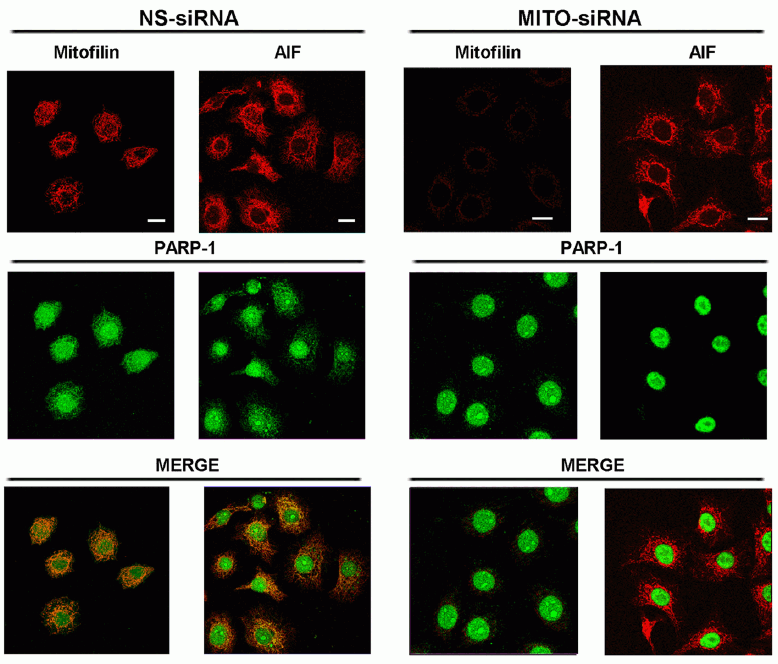
Rossi et al. Mitochondrial localization of PARP-1 requires interaction with mitofilin and is involved in the maintenance of mitochondrial DNA integrity. J Biol Chem. 2009;284(46):31616-24. PMID: 19762472
Citation 4:
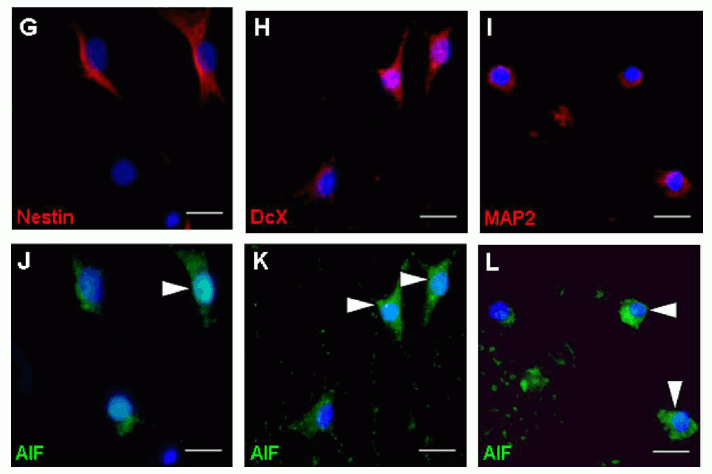
Hofer et al. Bacterial meningitis impairs hippocampal neurogenesis. J Neuropathol Exp Neurol. 2011;70(10):890-9. PMID: 21937913
Citation 5:
Gupta et al. Arsenic trioxide induces apoptosis in peripheral blood T lymphocyte subsets by inducing oxidative stress: a role of Bcl-2. Mol Cancer Ther. 2003;2(8):711-9. PMID: 12939460
Citation 6:
Ikai et al. Magnolol-induced apoptosis is mediated via the intrinsic pathway with release of AIF from mitochondria in U937 cells. Biol Pharm Bull. 2006;29(12):2498-501. PMID: 17142989
Citation 7:
Nebbioso et al. Tumor-selective action of HDAC inhibitors involves TRAIL induction in acute myeloid leukemia cells. Nat Med. 2005;11(1):77-84. PMID: 15619633
Citation 8:
Karlsson et al. Arsenic trioxide-induced death of neuroblastoma cells involves activation of Bax and does not require p53. Clin Cancer Res. 2004;10(9):3179-88. PMID: 15131059
Citation 9:
Li et al. Apoptotic signaling pathways induced by nitric oxide in human lymphoblastoid cells expressing wild-type or mutant p53. Cancer Res. 2004;64(9):3022-9. PMID: 15126337
Citation 10:
Cervera et al. Cells silenced for SDHB expression display characteristic features of the tumor phenotype. Cancer Res. 2008;68(11):4058-67. PMID: 18519664
Citation 11:
Hahn et al. Galectin-1 induces nuclear translocation of endonuclease G in caspase- and cytochrome c-independent T cell death. Cell Death Differ. 2004;11(12):1277-86. PMID: 15297883
Citation 12:
Hamacher-Brady et al. Response to myocardial ischemia/reperfusion injury involves Bnip3 and autophagy. Cell Death Differ. 2007;14(1):146-57. PMID: 16645637
Citation 13:
Nakagawa et al. Characterized mechanism of alpha-mangostin-induced cell death: caspase-independent apoptosis with release of endonuclease-G from mitochondria and increased miR-143 expression in human colorectal cancer DLD-1 cells. Bioorg Med Chem. 2007;15(16):5620-8. PMID: 17553685
Citation 14:
Itoh T et al. Eupalinin A isolated from Eupatorium chinense L. induces autophagocytosis in human leukemia HL60 cells. Bioorg Med Chem. 2008;16(2):721-31.PMID: 17980607
Citation 15:
Yel et al. Thimerosal induces neuronal cell apoptosis by causing cytochrome c and apoptosis-inducing factor release from mitochondria. Int J Mol Med. 2005;16(6):971-7. PMID: 16273274
Citation 16:
Nakagawa et al. A potent apoptosis-inducing activity of a sesquiterpene lactone, arucanolide, in HL60 cells: a crucial role of apoptosis-inducing factor. J Pharmacol Sci. 2005;97(2):242-52. PMID: 15699578
Citation 17:
Makani et al. Biochemical and molecular basis of thimerosal-induced apoptosis in T cells: a major role of mitochondrial pathway. Genes Immun. 2002;3(5):270-8. PMID: 12140745
Citation 18:
Morse et al. Concurrent mRNA and protein extraction from the same experimental sample using a commercially available column-based RNA preparation kit. Biotechniques. 2006;40(1):54, 56, 58. PMID: 16454040
Citation 19:
Itoh et al. Intracellular glutathione regulates sesquiterpene lactone-induced conversion of autophagy to apoptosis in human leukemia HL60 cells. Anticancer Res. 2009;29(4):1449-57. PMID: 19414401
Citation 20:
Makani et al. Biochemical and molecular basis of thimerosal-induced apoptosis in T cells: a major role of mitochondrial pathway. Genes Immun. 2002;3(5):270-8. PMID: 12140745

FOR RESEARCH USE ONLY

For additional information, visit ProSci’s Terms & Conditions Page.

Disclaimer:
Optimal dilutions/concentrations should be determined by the end user. The information provided is a guideline for product use. This product is for research use only.

CATALOG NUMBER:

2267

List Size:
0.02 mg, 0.1 mg

List Price:

Price range: $99.00 through $445.00

Shipping Info
Customize your order
Custom Antibody Services

New & Featured Products

CATALOG NUMBER: PM-7369-HRP

CATALOG NUMBER: PM-7369-biotin

CATALOG NUMBER: PM-7369