Cell Treatment
IAV
KD
Most Cited
Most Images
Trial Size

Bim Antibody

CATALOG NUMBER: 2065

Clonality:
Polyclonal
Tested Applications:
ELISA, IF, IHC-P, WB
Host Species:
Rabbit
Species Reactivity:
Human, Mouse, Rat
Conjugate:
Unconjugated
Specifications
Host Species:
Rabbit
Species Reactivity:
Human, Mouse, Rat
Immunogen:
Anti-BIM antibody (2065) was raised against a peptide corresponding to 20 amino acids near the amino terminus of human BIM.
The immunogen is located within the first 50 amino acids of BIM.
Conjugate:
Unconjugated
Tested Applications:
ELISA, IF, IHC-P, WB
Application Note:
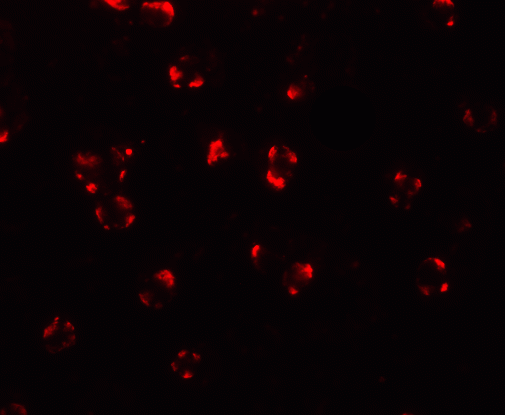
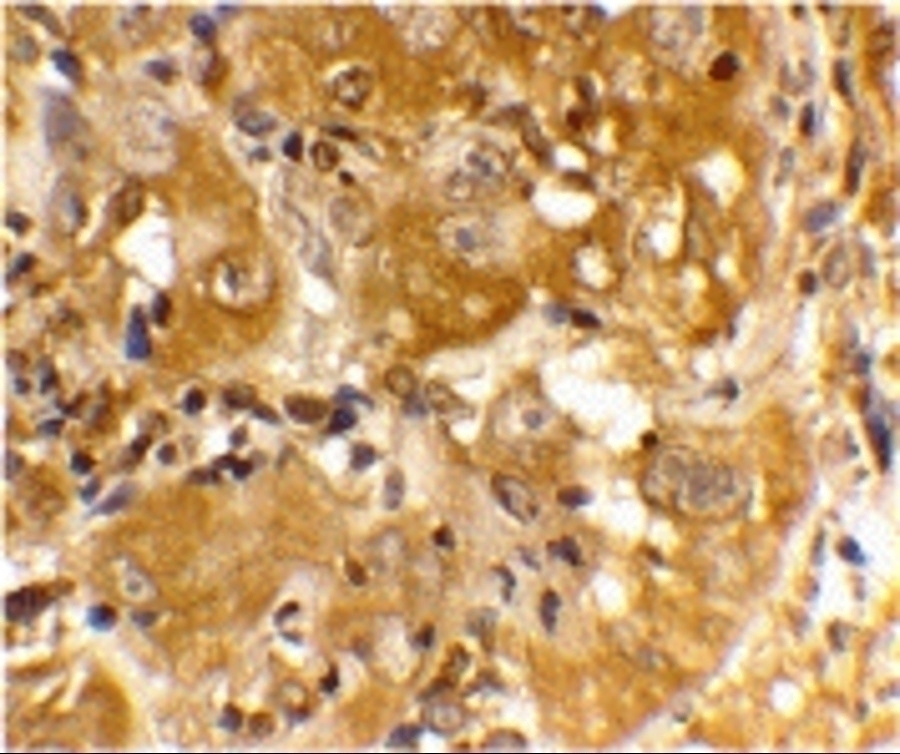
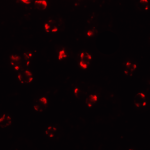
WB: 0.5 μg/mL; IHC-P: 20 μg/mL; IF: 20 μg/mL.
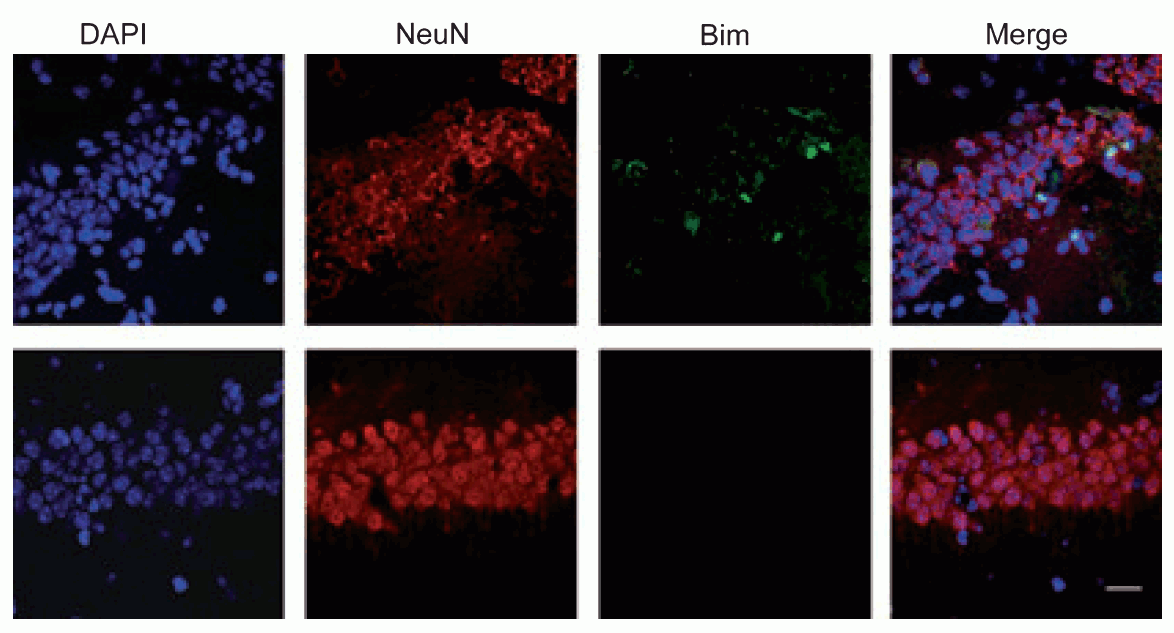
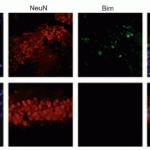
Antibody validated: Western Blot in human, mouse and rat samples; Immunohistochemistry in human samples; Immunofluorescence in human samples. All other applications and species not yet tested.
Positive Control 1:
Cat. No. 1210 - 293 Cell Lysate
Positive Control 2:
Cat. No. 1201 - HeLa Cell Lysate
Positive Control 3:
Cat. No. 1224 - Daudi Cell Lysate
Positive Control 4:
Cat. No. 1206 - MOLT4 Cell lysate
Predicted Molecular Weight:
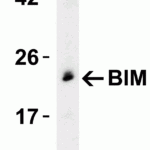
Predicted: 22kD
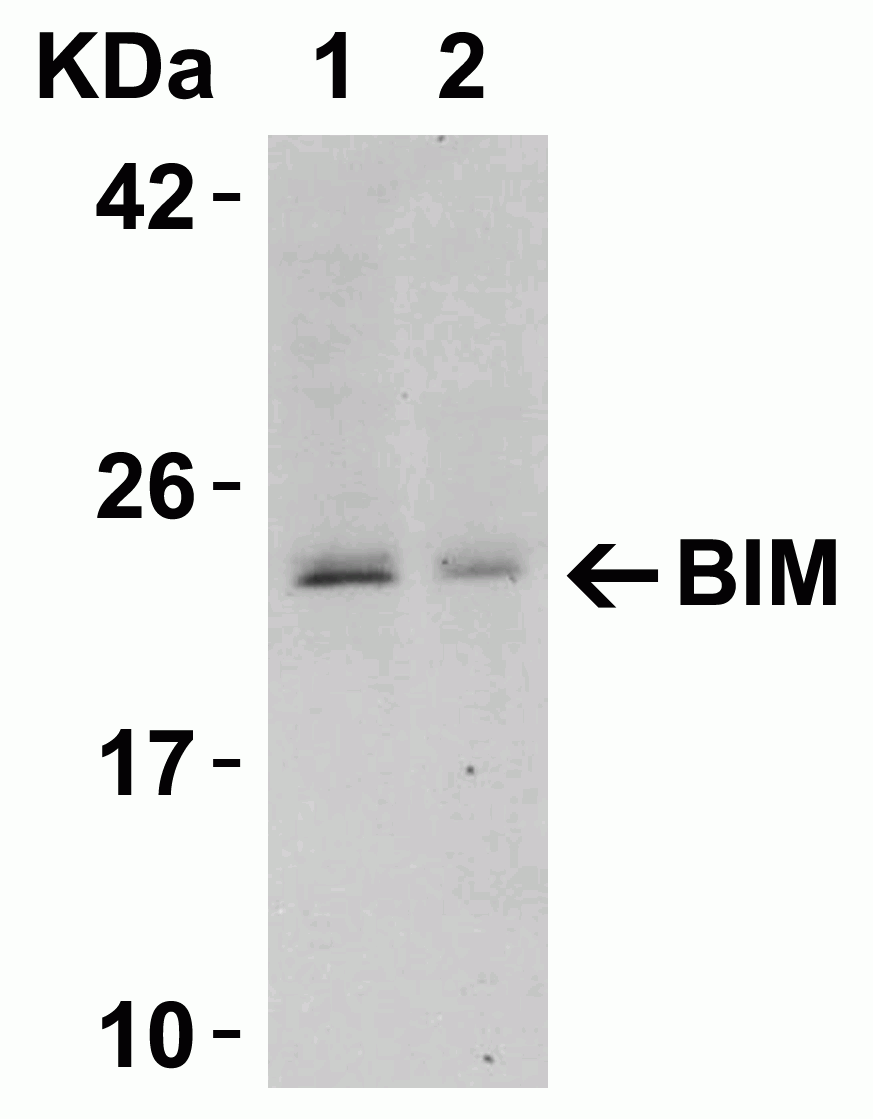
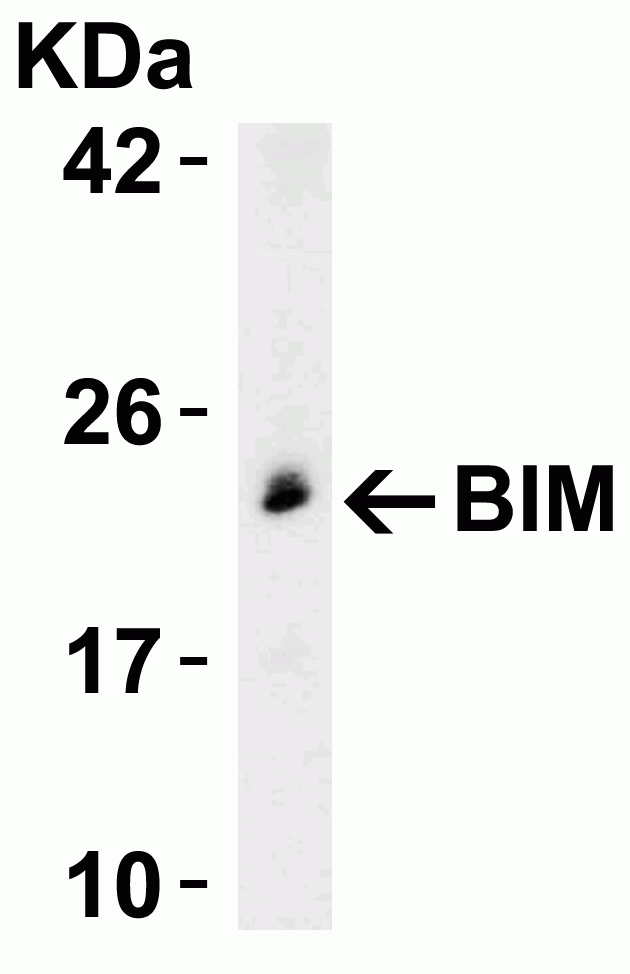
Observed: 22kD
Validation:

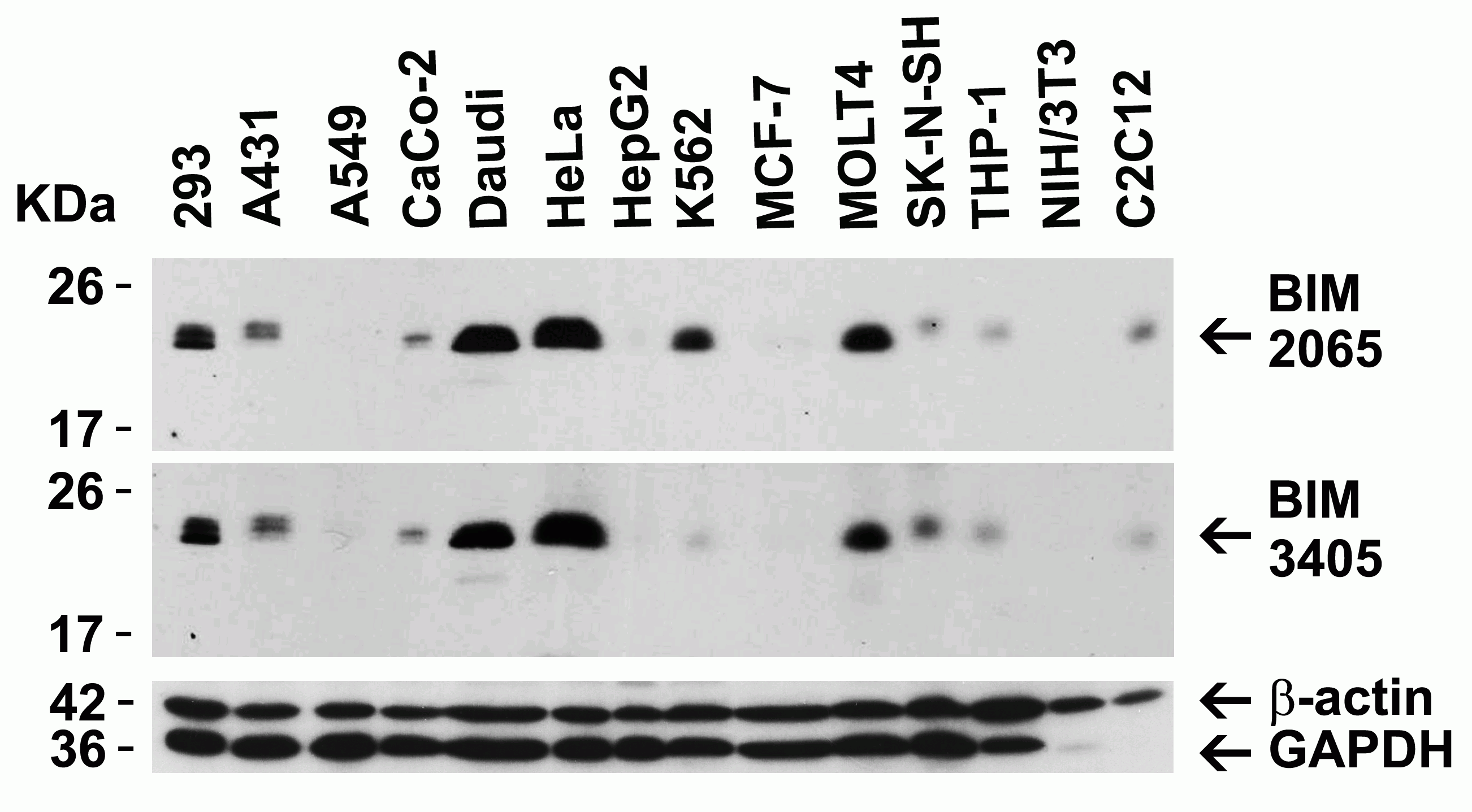
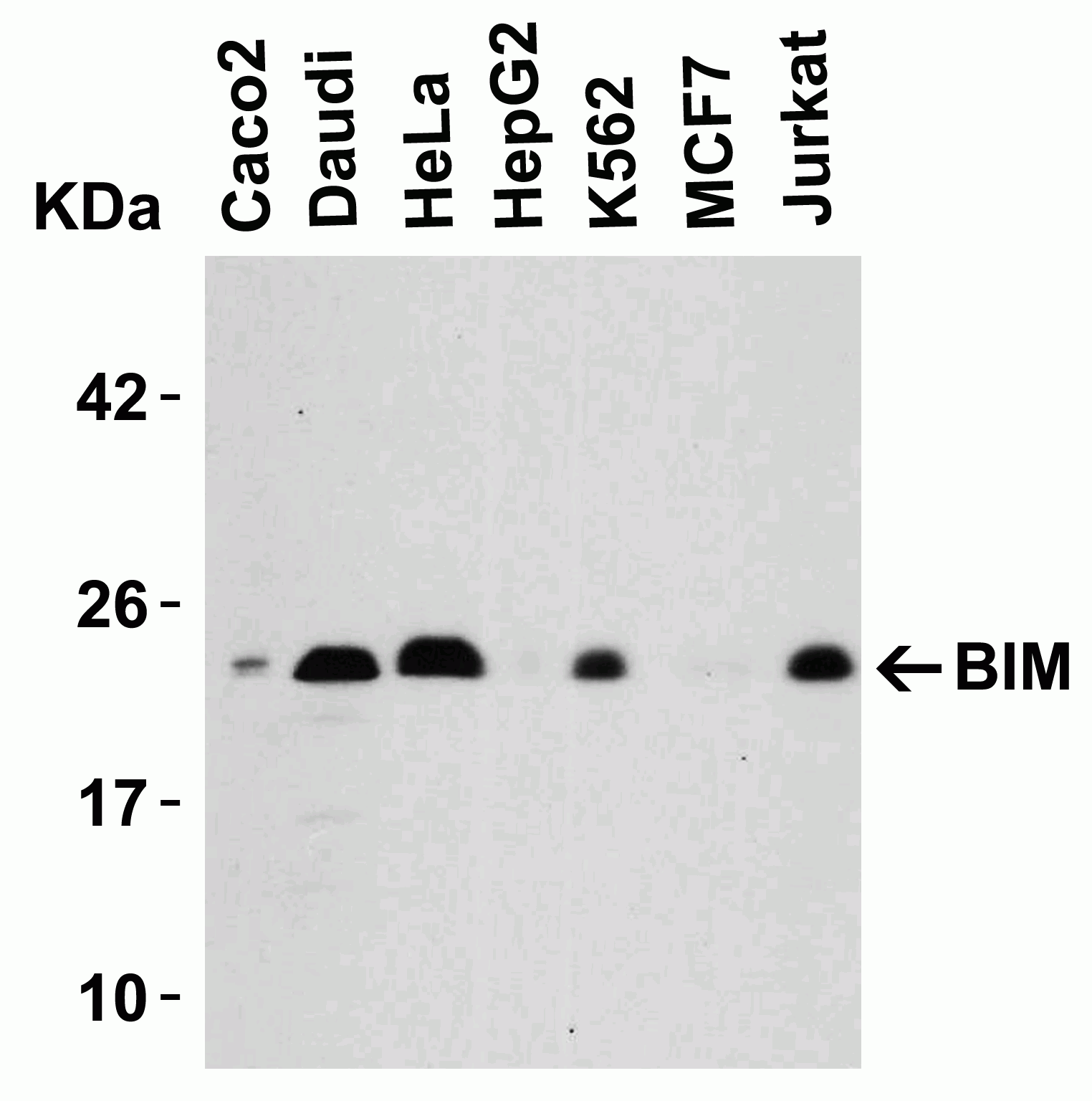
Independent Antibody Validation in Cell lines (Figure 2) shows similar BIM expression profile in human and mouse cell lines detected by two independent anti-BIM antibodies that recognize different epitopes, 2065 against N-terminus domain and 3405 against central domain.  BIM proteins are detected in the most tested cell lines at different expression levels by the two independent antibodies. 

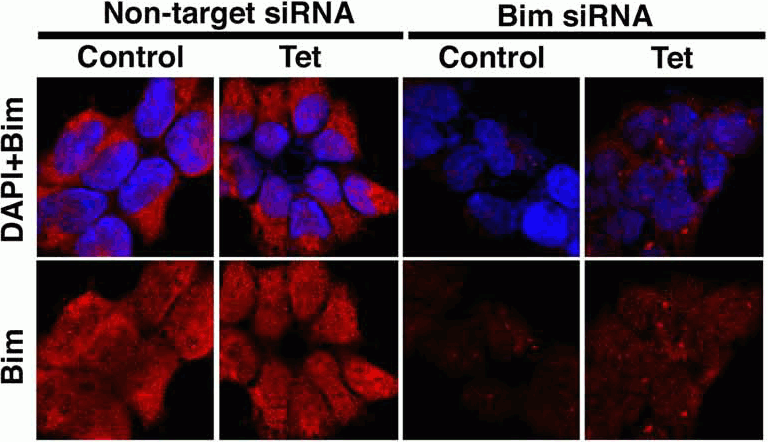
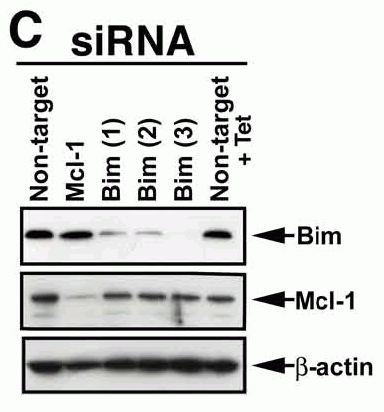
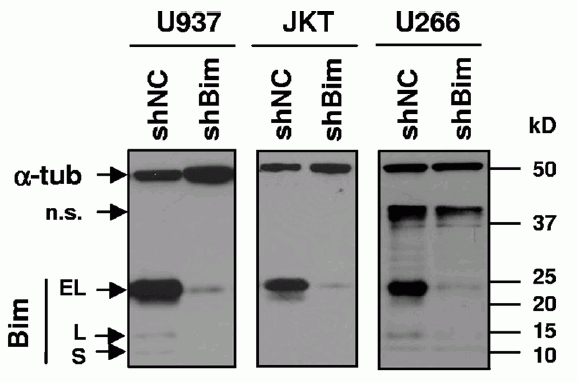
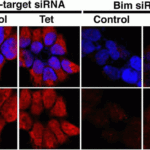
KD validation (Figure 9, 11, 12): Anti-BIM antibody (2065) specificity was further verified by BIM specific knockdown. BIM signal in 293, U937, Jurkat and U266 cells transfected with BIM siRNAs or shRNA was disrupted in comparison with that in cells transfected with control siRNAs or shRNA.

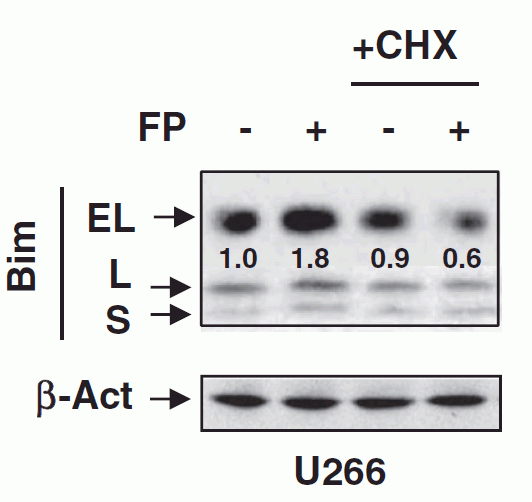
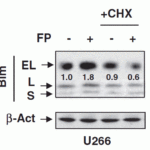
Regulated expression validation (Figure 10): BIM expression detected by anit-BIM antibodies (2065) was up-regulated by flavopiridol treatment, which was blocked by Cycloheximide in U266 cells.

Isoforms:
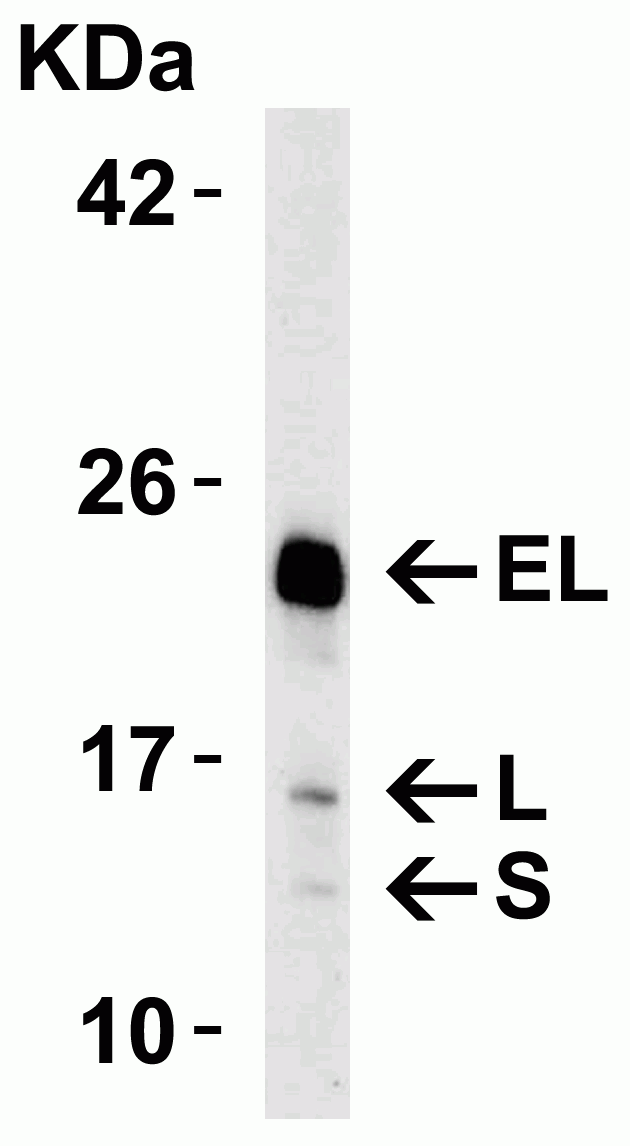
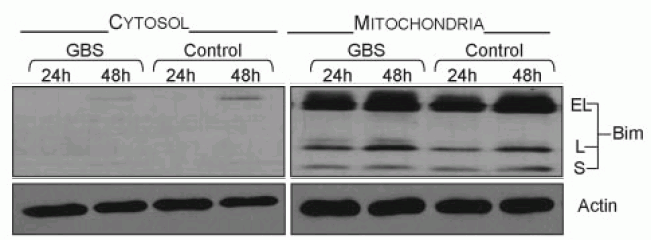
Human BIM has 3 isoforms, including isoform EL (198aa, 22kD), isoform L (138aa, 16kD) and isoform S (108aa, 13kD). Mouse BIM has 3 isoforms, including isoform EL (196aa, 22kD), isoform L (140aa, 16kD) and isoform S (110aa, 13kD). Rat BIM has 4 isoforms, including isoform BOD-L (196aa, 22kD), isoform L (140aa, 16kD) and isoform BOD-M (110aa, 13kD). 2065 can detect all three isoforms.

Purification:
Bim Antibody is affinity chromatography purified via peptide column.
Clonality:
Polyclonal
Isotype:
IgG
physical-state:
Liquid
Buffer:
Bim Antibody is supplied in PBS containing 0.02% sodium azide.
Concentration:
1 mg/ml
Storage Conditions:
Bim antibody can be stored at 4°C for three months and -20°C, stable for up to one year. As with all antibodies care should be taken to avoid repeated freeze thaw cycles. Antibodies should not be exposed to prolonged high temperatures.
Ncbi Official Symbol:
BCL2L11
Additional Names:
Bim Antibody: BAM, BIM, BOD, Bcl-2-like protein 11, Bcl2-interacting mediator of cell death, Bcl2-L-11
Protein Accession Number:
O43521
Protein Gi Number:
18202042
Ncbi Gene Id Number:
10018
User Note:
Optimal dilutions for each application to be determined by the researcher.
Background:
Bim Antibody: Members in the Bcl-2 family are critical regulators of apoptosis by either inhibiting or promoting cell death. Bcl-2 homology 3 (BH3) domain is a potent death domain. BH3 domain containing pro-apoptotic proteins, including Bad, Bax, Bid, Bik, and Hrk, form a growing subclass of the Bcl-2 family. A novel BH3 domain containing protein was recently identified and designated Bim or BOD in human, mouse and rat. Bim/BOD interacts with diverse members in the pro-survival Bcl-2 sub-family including Bcl-2, Bcl-xL and Bcl-w. Bim/BOD induces apoptosis. The messenger RNA of Bim is ubiquitously expressed in multiple tissues and cell lines.
Background Reference 1:
O'Connor et al. EMBO J. 1998; 17:384-395.
Background Reference 2:
Hsu et al. Mol. Endocrinol. 1998; 12:1432-40.
Citation 1:
Chen et al. CDK inhibitors upregulate BH3-only proteins to sensitize human myeloma cells to BH3 mimetic therapies. Cancer Res. 2012;72(16):4225-37. PMID: 22693249
Citation 2:
Tsuchiya et al. Bcl-2 homology domain 3-only proteins Puma and Bim mediate the vulnerability of CA1 hippocampal neurons to proteasome inhibition in vivo. Eur J Neurosci. 2011;33(3):401-8.PMID: 21198986
Citation 3:
Han et al. Regulation of mitochondrial apoptotic events by p53-mediated disruption of complexes between antiapoptotic Bcl-2 members and Bim. J Biol Chem. 2010;285(29):22473-83.PMID: 20404322
Citation 4:
Chen et al. Bim upregulation by histone deacetylase inhibitors mediates interactions with the Bcl-2 antagonist ABT-737: evidence for distinct roles for Bcl-2, Bcl-xL, and Mcl-1. Mol Cell Biol. 2009;29(23):6149-69. PMID: 19805519
Citation 5:
Ulett et al. Mechanisms of group B streptococcal-induced apoptosis of murine macrophages. J Immunol. 2005;175(4):2555-62.PMID: 16081829
Citation 6:
Dai et al. Disruption of Src function potentiates Chk1-inhibitor-induced apoptosis in human multiple myeloma cells in vitro and in vivo. Blood. 2011;117(6):1947-57. PMID: 21148814
Citation 7:
Yang et al. Promoter knock-in mutations reveal a role of Mcl-1 in thymocyte-positive selection and tissue or cell lineage-specific regulation of Mcl-1 expression. J Immunol. 2009 ;182(5):2959-68. PMID: 19234191
Citation 8:
Han et al. Degradation of Mcl-1 by granzyme B: implications for Bim-mediated mitochondrial apoptotic events. J Biol Chem. 2004;279(21):22020-9. PMID: 15014070
Citation 9:
Han et al. Disruption of Mcl-1.Bim complex in granzyme B-mediated mitochondrial apoptosis. J Biol Chem. 2005;280(16):16383-92.PMID: 15713684
Citation 10:
Han et al. Interrelated roles for Mcl-1 and BIM in regulation of TRAIL mediated mitochondrial apoptosis. J Biol Chem.2006;281(15):10153-63.PMID: 16478725
Citation 11:
Han et al. Functional linkage between NOXA and Bim in mitochondrial apoptotic events. J Biol Chem. 2007;282(22):16223-31.PMID: 17374615
Citation 12:
Han et al. Deregulation of mitochondrial membrane potential by mitochondrial insertion of granzyme B and direct Hax-1 cleavage. J Biol Chem.2010;285(29:22461-72. PMID: 20388708
Citation 13:
Fung et al. Induction of autophagy during extracellular matrix detachment promotes cell survival. Mol Biol Cell. 2008;19(3):797-806. PMID: 18094039
Citation 14:
Chen et al. Targeting SQSTM1/p62 induces cargo loading failure and converts autophagy to apoptosis via NBK/Bik. Mol Cell Biol. 2014;34(18):3435-49.PMID: 25002530
Citation 15:
Tanno et al. Bim-dependent apoptosis follows IGFBP-5 down-regulation in neuroblastoma cells. Biochem Biophys Res Commun. 2006;351(2):547-52. PMID: 17067554
Citation 16:
Dai et al. Targeting autophagy in multiple myeloma. Leuk Res. 2017;59:97-104. PMID: 28599191
Citation 17:
Dai Y. Targeting Autophagy in multiple myeloma. Virginia Commonwealth University VCU Scholars Compass. Dissertations. 2015.PMID:

FOR RESEARCH USE ONLY

For additional information, visit ProSci’s Terms & Conditions Page.

Disclaimer:
Optimal dilutions/concentrations should be determined by the end user. The information provided is a guideline for product use. This product is for research use only.

CATALOG NUMBER:

2065

List Size:
0.02 mg, 0.1 mg

List Price:

Price range: $99.00 through $445.00

Shipping Info
Customize your order
Custom Antibody Services

New & Featured Products

CATALOG NUMBER: PM-7369-HRP

CATALOG NUMBER: PM-7369-biotin

CATALOG NUMBER: PM-7369