
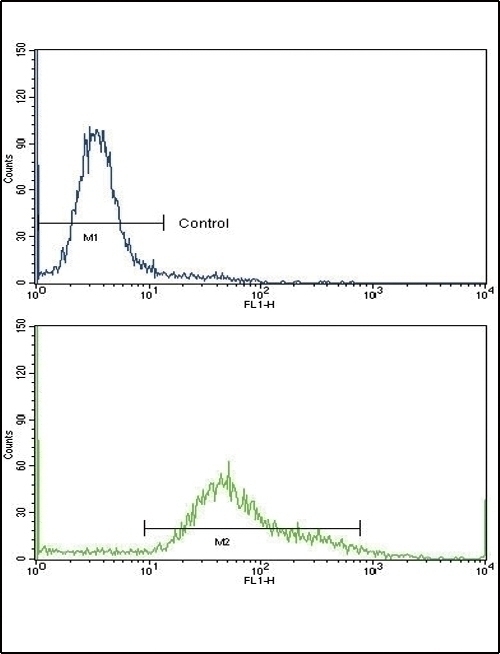
CD71 Antibody

CATALOG NUMBER: 61-619

Clonality:
Polyclonal
Tested Applications:
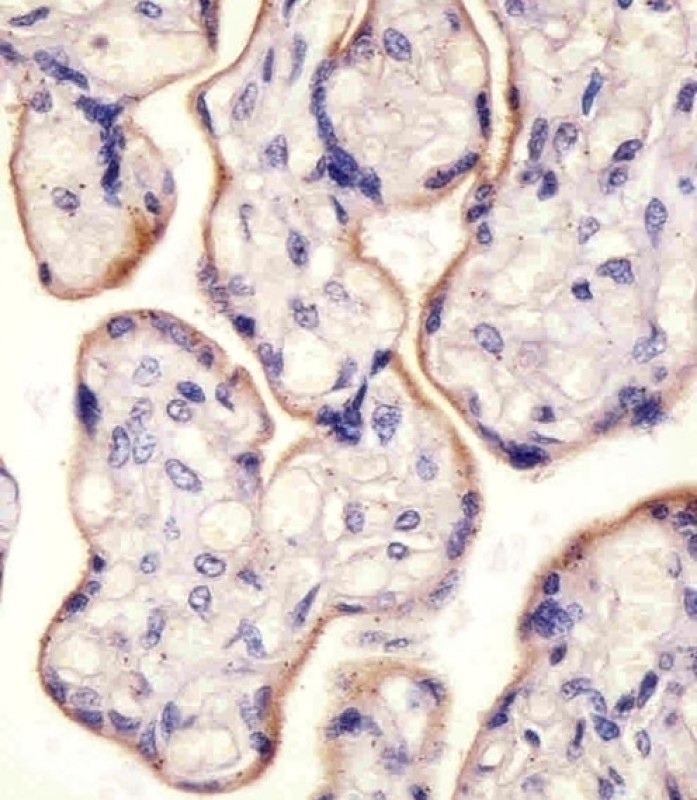
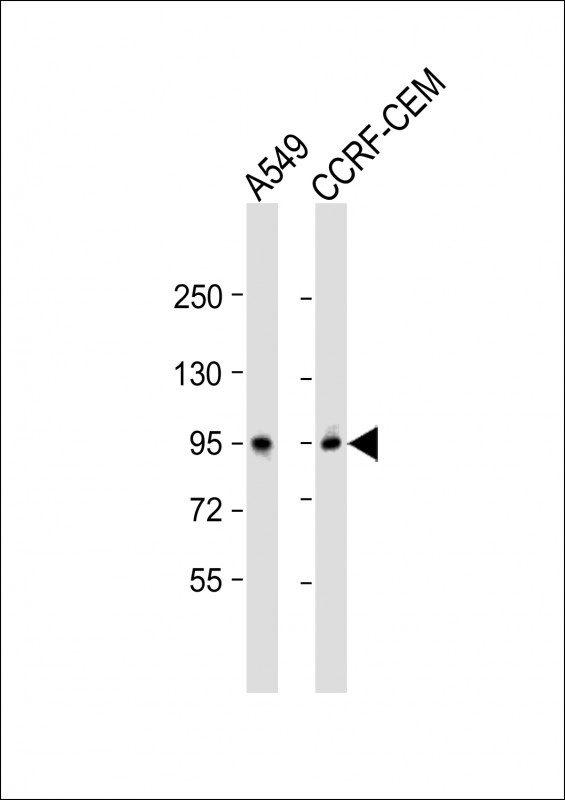
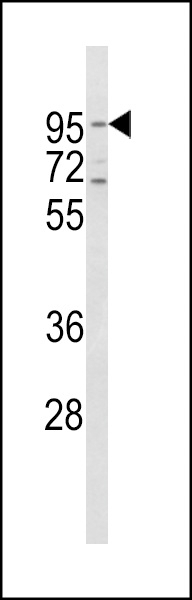
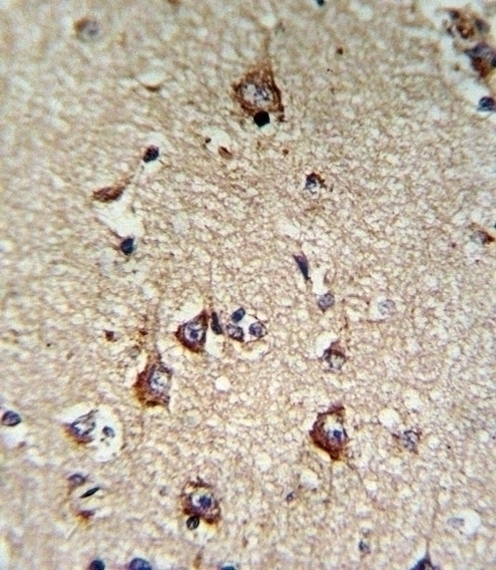
Flow, IHC-P, WB
Host Species:
Rabbit
Species Reactivity:
Human
Conjugate:
Unconjugated
Specifications
Host Species:
Rabbit
Species Reactivity:
Human
Immunogen:
This CD71 antibody is generated from rabbits immunized with a KLH conjugated synthetic peptide between 649-677 amino acids from the C-terminal region of human CD71.
Conjugate:
Unconjugated
Tested Applications:
Flow, IHC-P, WB
Application Note:
For IHC-P starting dilution is: 1:25
For WB starting dilution is: 1:1000
For FACS starting dilution is: 1:10~50
Predicted Molecular Weight:
85 kDa
Purification:
This antibody is purified through a protein A column, followed by peptide affinity purification.
Clonality:
Polyclonal
Isotype:
Rabbit Ig
Physical State:
Liquid
Buffer:
Supplied in PBS with 0.09% (W/V) sodium azide.
Concentration:
batch dependent
Storage Conditions:
Store at 4°C for three months and -20°C, stable for up to one year. As with all antibodies care should be taken to avoid repeated freeze thaw cycles. Antibodies should not be exposed to prolonged high temperatures.
Ncbi Official Symbol:
TFRC
Additional Names:
Transferrin receptor protein 1, TR, TfR, TfR1, Trfr, T9, p90, CD71, Transferrin receptor protein 1, serum form, sTfR, TFRC
Protein Accession Number:
P02786
Protein Gi Number:
108935939
Ncbi Gene Id Number:
7037
User Note:
Optimal dilutions for each application to be determined by the researcher.
Background:
Cellular uptake of iron occurs via receptor mediated endocytosis of ligand occupied transferrin receptor into specialized endosomes. Endosomal acidification leads to iron release. The apotransferrin receptor complex is then recycled to the cell surface with a return to neutral pH and the concomitant loss of affinity of apotransferrin for its receptor. Transferrin receptor is necessary for development of erythrocytes and the nervous system (By similarity). Useful in studies of dividing haematopoietic and tumour cell populations, and metabolic activity. A second ligand, the heditary hemochromatosis protein HFE, competes for binding with transferrin for an overlapping C terminal binding site. The antigen is present on most dividing cells, including normally cycling in vivo hematopoietic progenitor cells, mitogenically stimulated cells in vitro, some primary tumor cells and most proliferating cells in vitro.The transferrin receptor has been structurally characterized as a sulfide bound dimer of identical glycoprotein subunits of 95 kDa. The transferrin receptor is not present on resting blood lymphocytes. On PBL, the receptor appears after activation. The expression of transferrin receptor is coordinately regulated with cell growth. Present on T and B cell lines. The soluble (or serum) transferrin receptor (sTfR) is a circulating truncated form of the membrane receptor protein; it is an 85 kDa glycoprotein forming in serum a 320 kDa complex with diferric transferrin.The most important clinical use of the sTfR determination is in the differential diagnosis between iron deficiency anaemia and the anaemia of chronic disease.This antibody is an indicator of proliferation activity. It also has prognostic significance when typing tumors, such as leukemias and lymphomas.
Background Reference 1:
Chicz,R.M., et.al., Nature 358 (6389), 764-768 (1992)
Background Reference 2:
Hayes,G.R., et.al., Glycobiology(4), 355-359 (1992)

FOR RESEARCH USE ONLY

For additional information, visit ProSci’s Terms & Conditions Page.

Disclaimer:
Optimal dilutions/concentrations should be determined by the end user. The information provided is a guideline for product use. This product is for research use only.

CATALOG NUMBER:

61-619

List Size:
400 ul

List Price:

$495.00

Shipping Info
Customize your order
Custom Antibody Services

New & Featured Products

CATALOG NUMBER: PM-7369-HRP

CATALOG NUMBER: PM-7369-biotin

CATALOG NUMBER: PM-7369