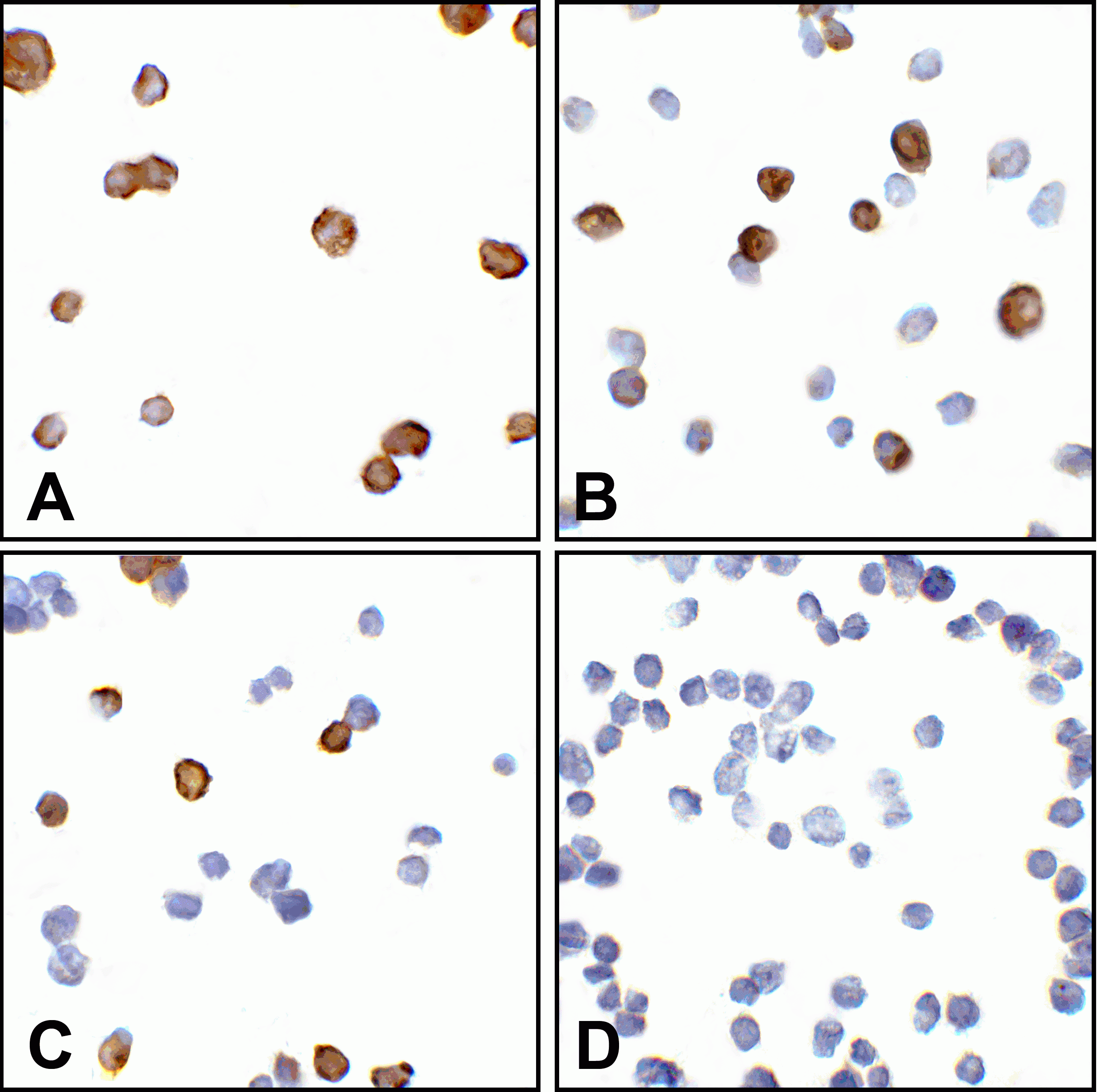
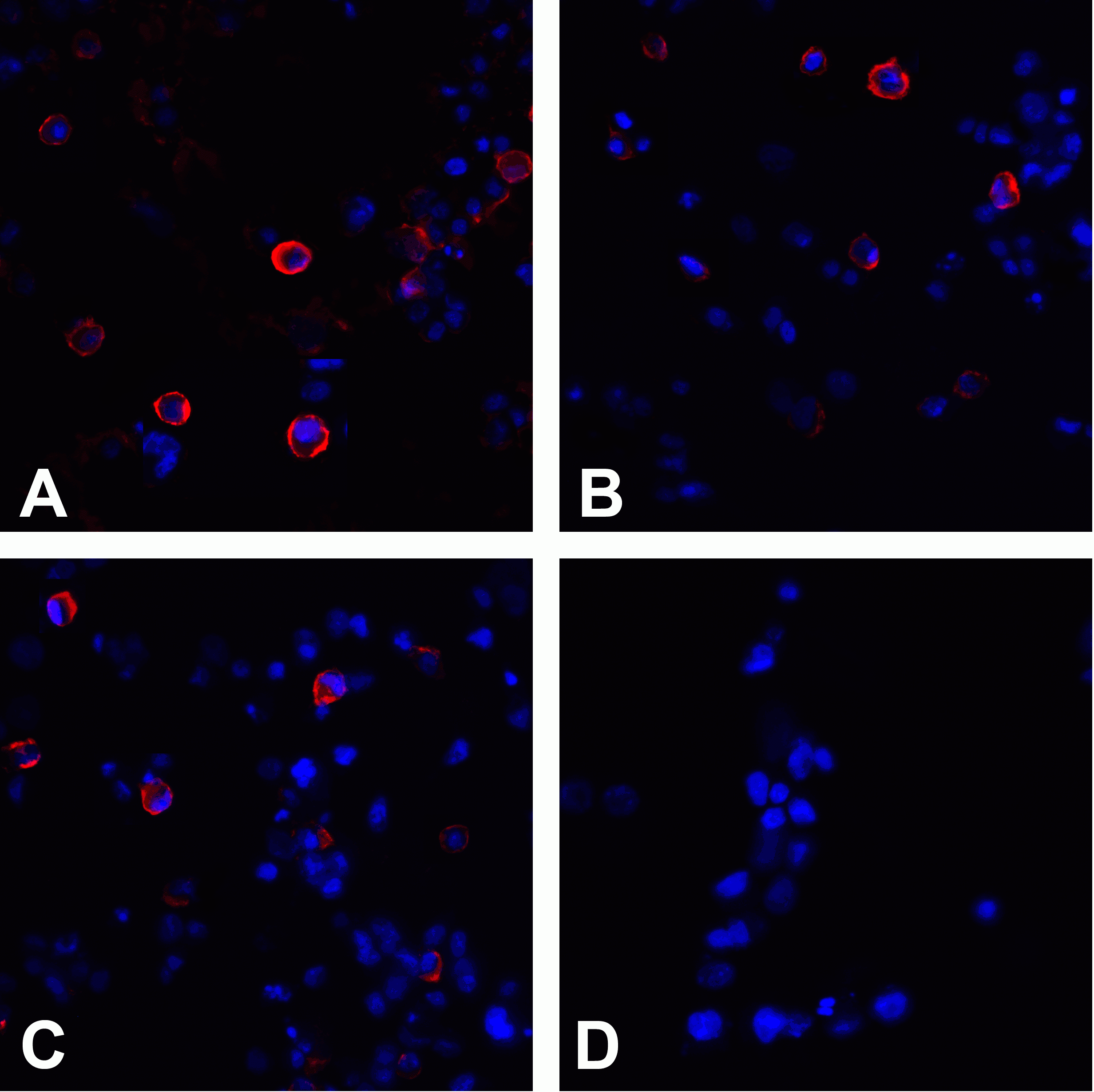
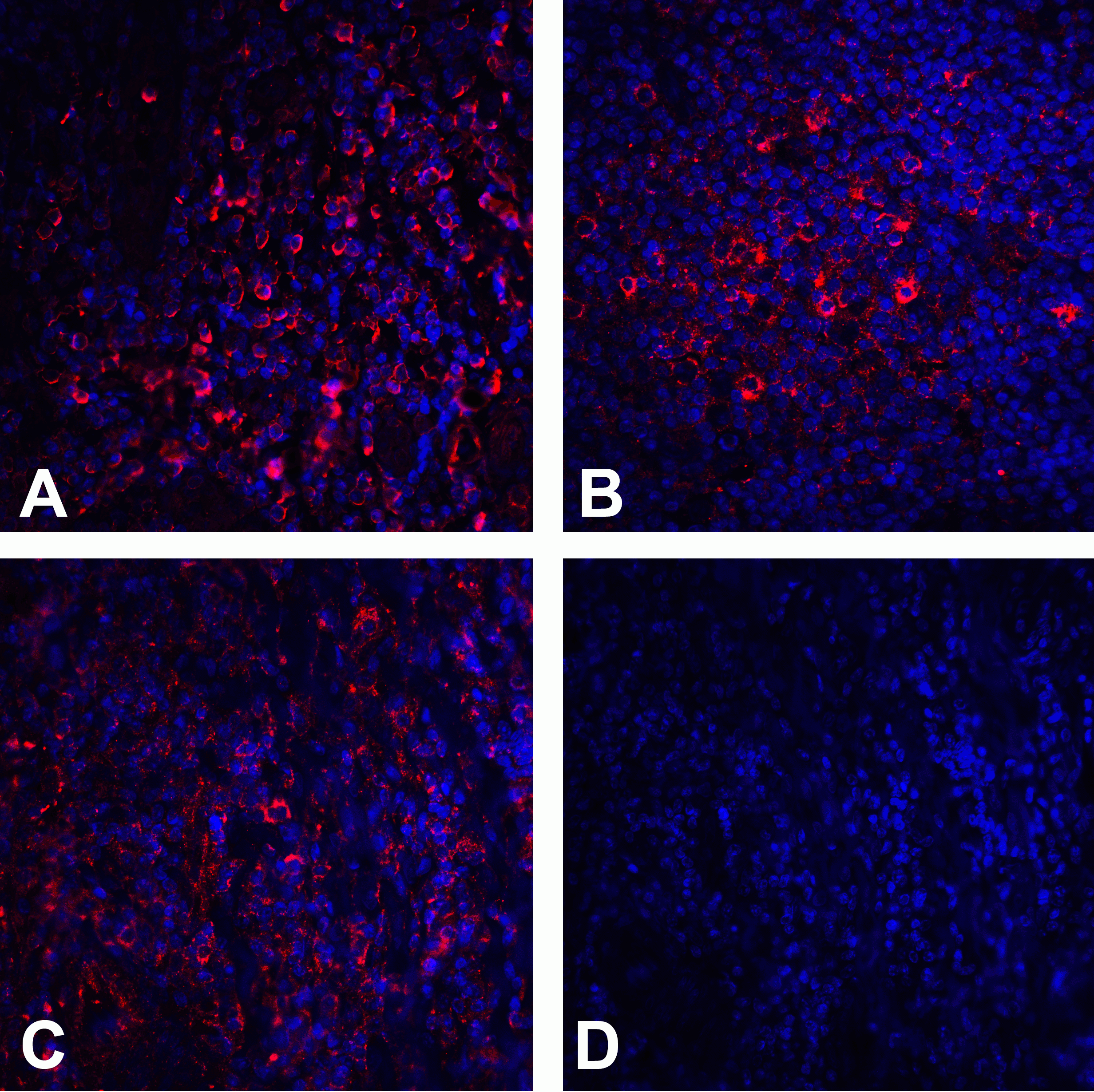
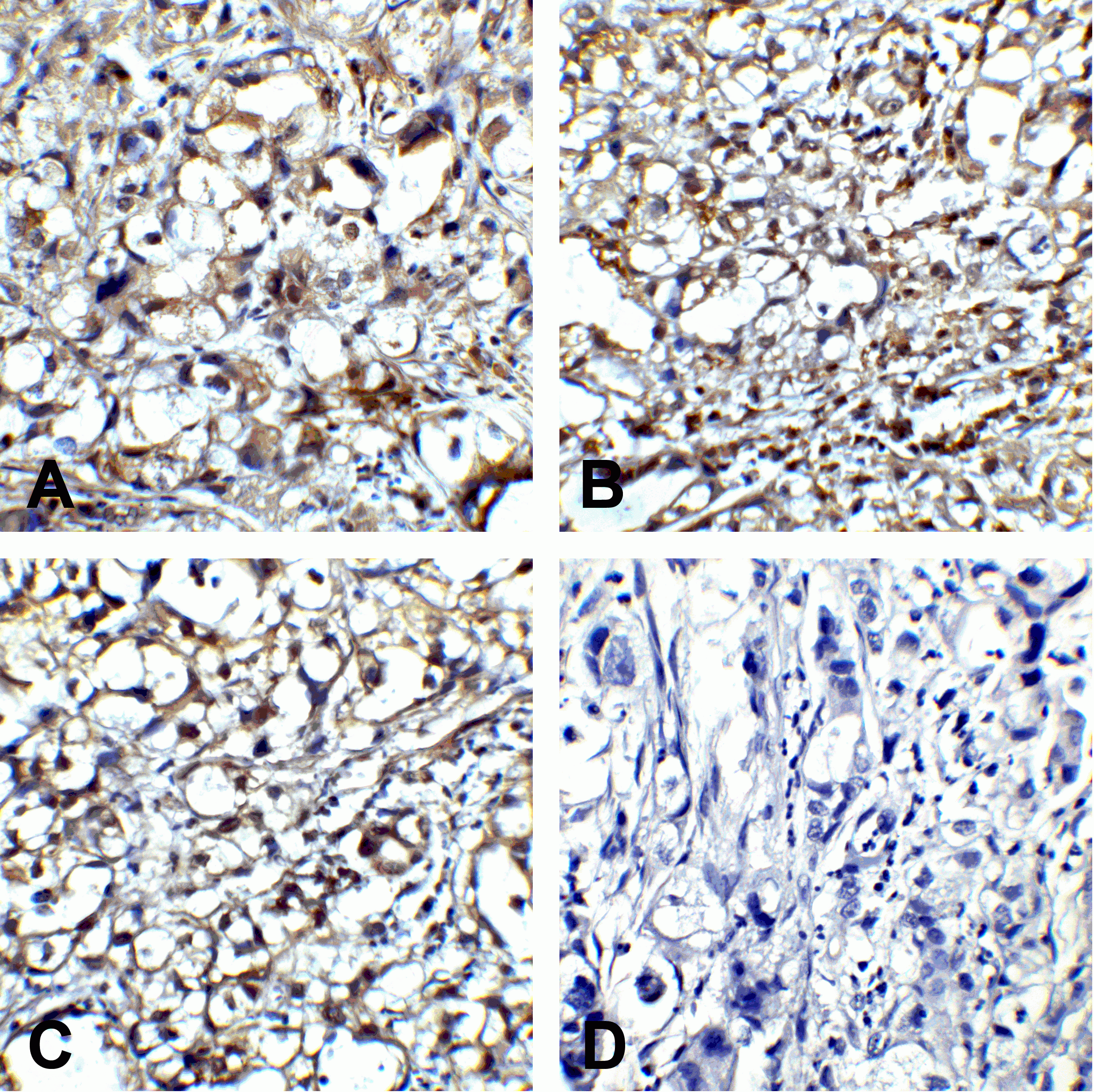
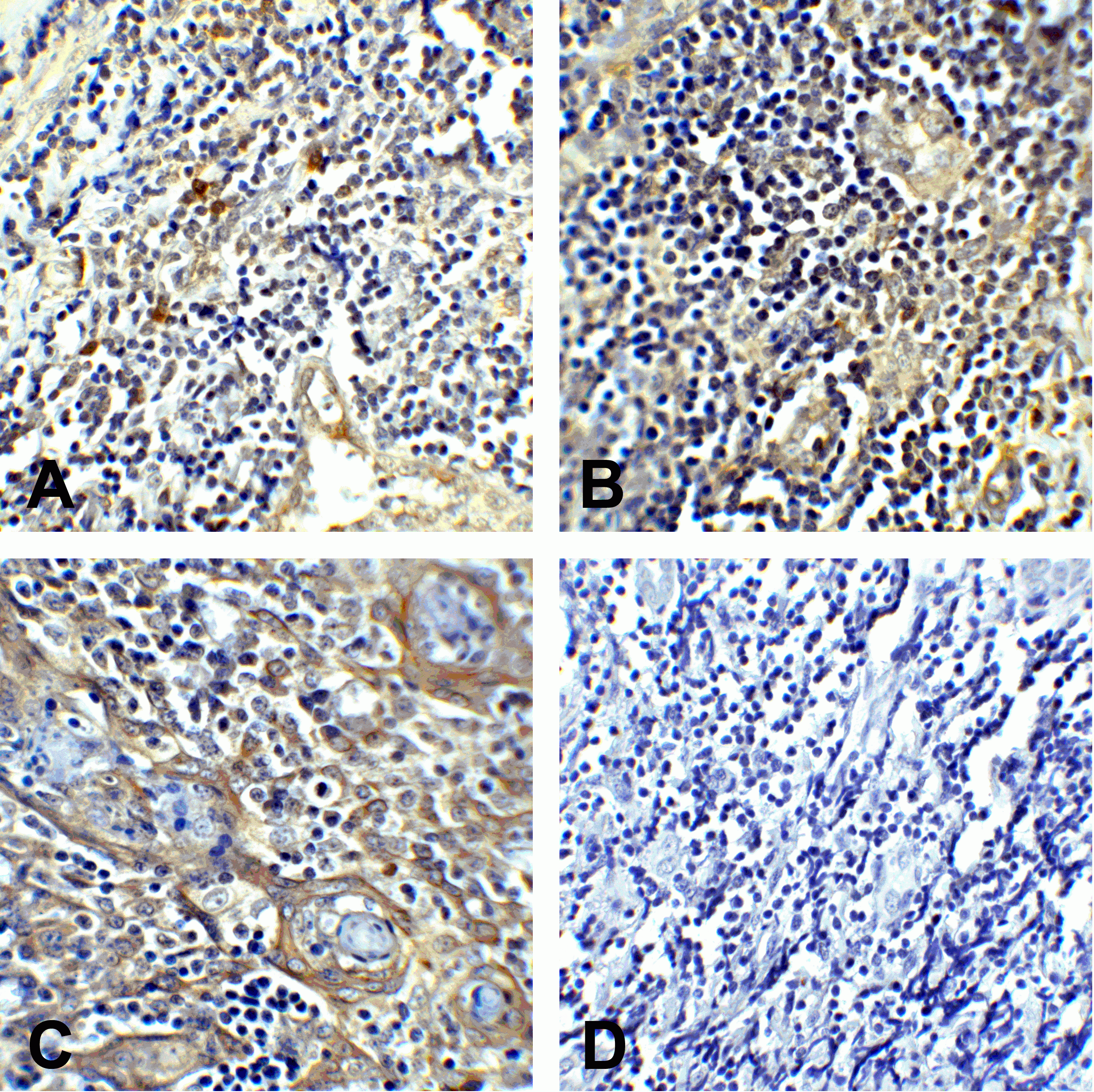
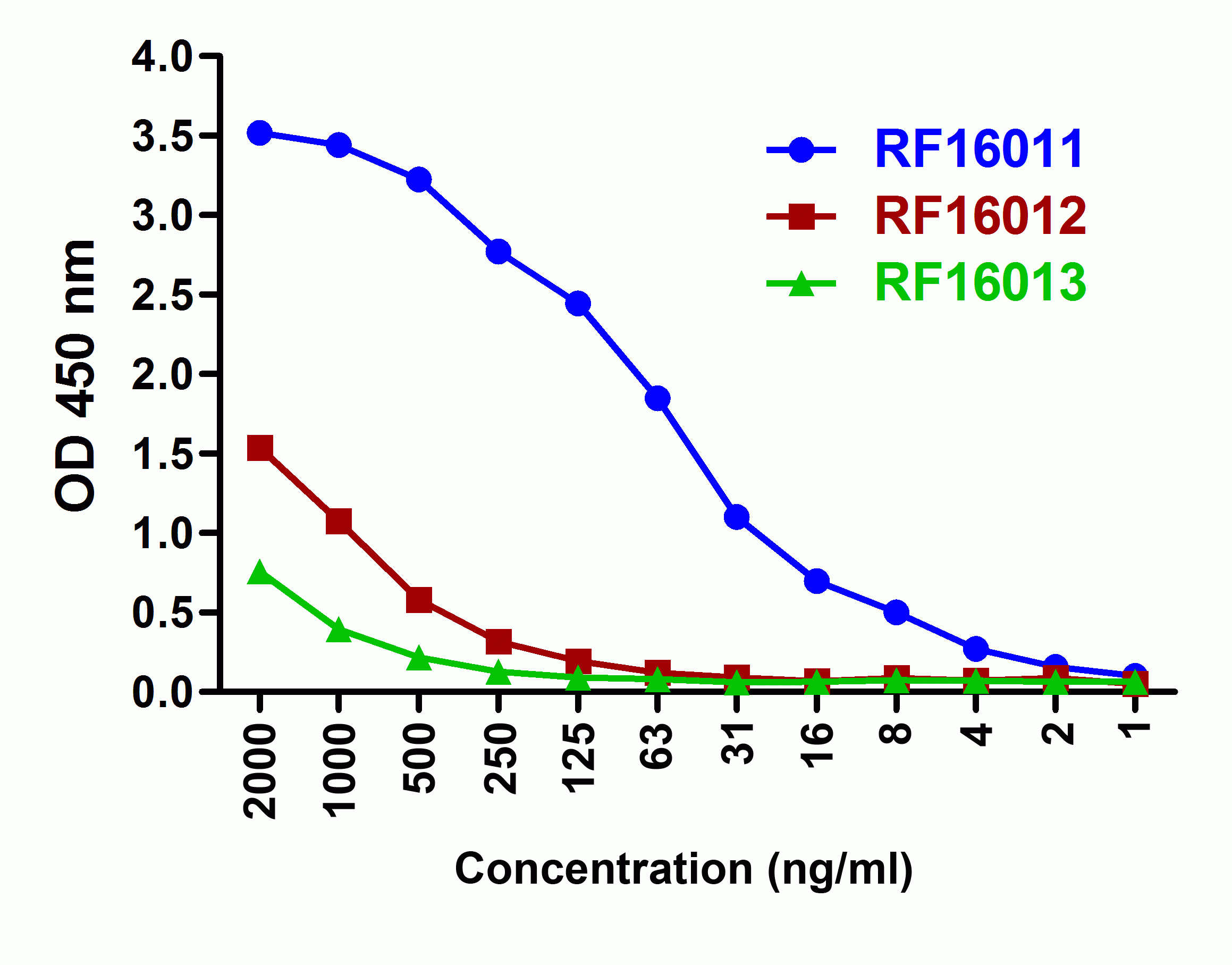
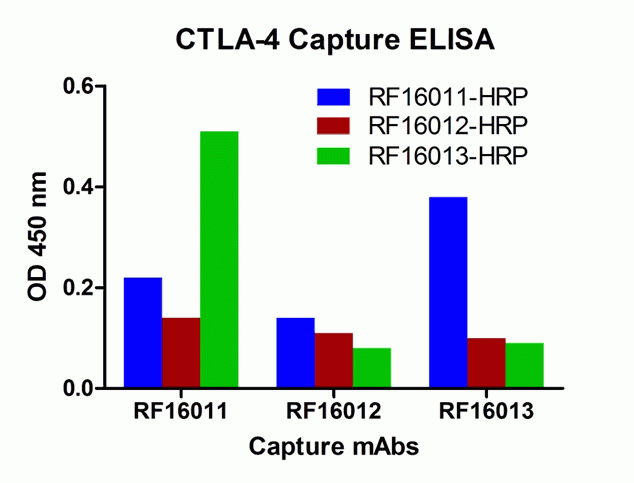
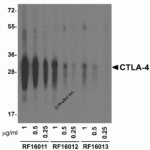
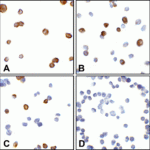
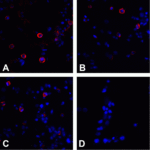
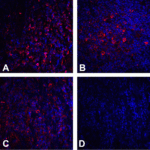
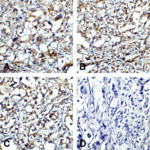
CTLA4 Detection Set (Risk Free)

CATALOG NUMBER: RF16010

Clonality:
Monoclonal
Tested Applications:
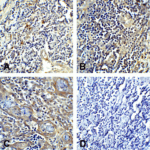
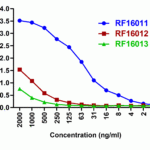
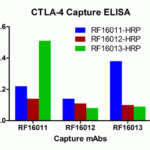
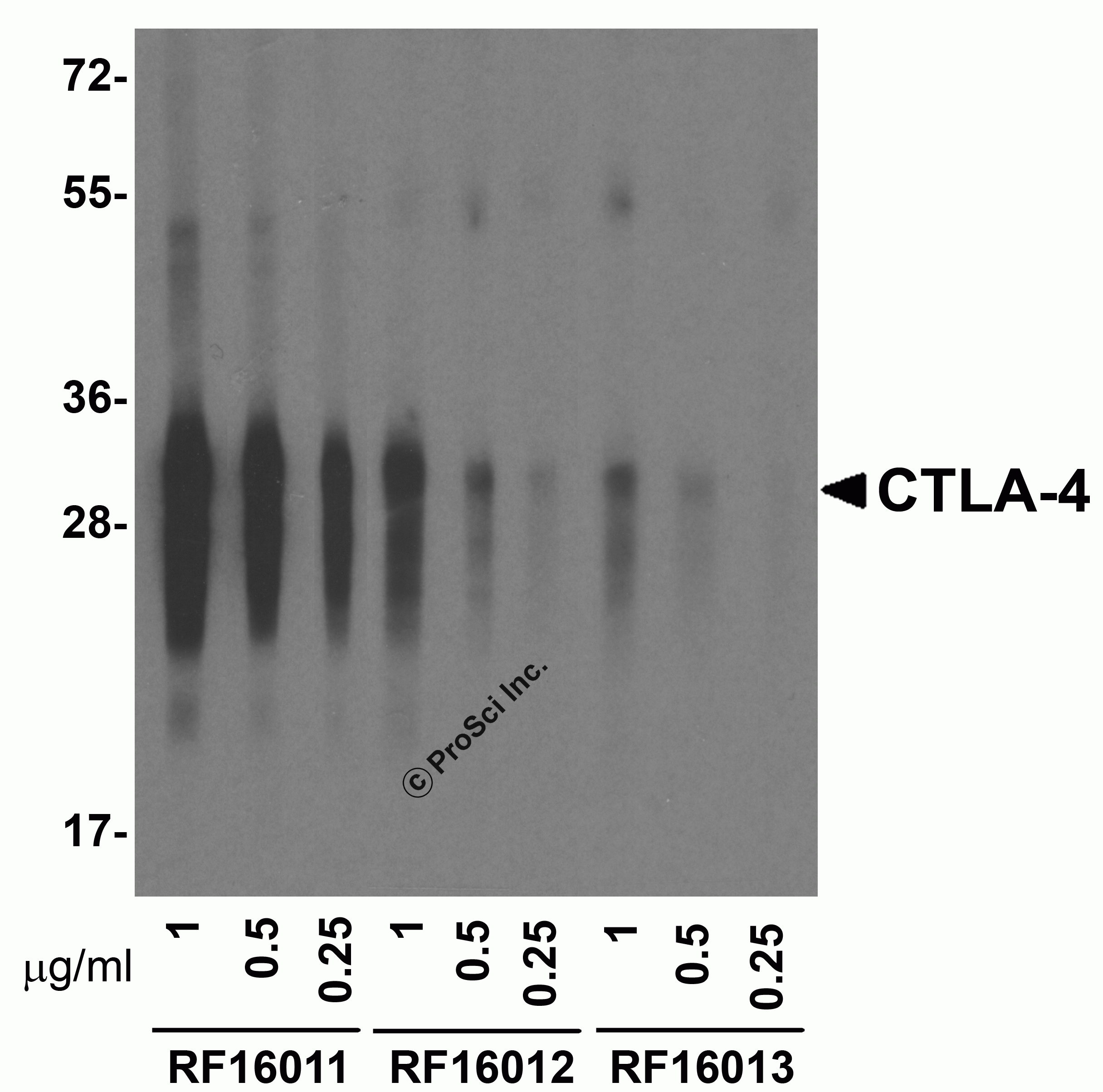
ELISA, Flow, ICC, IF, IHC-P, WB
Host Species:
Mouse
Species Reactivity:
Human
Conjugate:
Unconjugated
Specifications
Host Species:
Mouse
Species Reactivity:
Human
Immunogen:
Mouse monoclonal CTLA-4 antibodies were raised against the extracellular domain of human CTLA-4.
Conjugate:
Unconjugated
Tested Applications:
ELISA, Flow, ICC, IF, IHC-P, WB
Set Contents:
CTLA-4 Antibody [1E6], Cat. No. RF16011 (20 μg)

CTLA-4 Antibody [2G10], Cat. No. RF16012 (20 μg)

CTLA-4 Antibody [8A1], Cat. No. RF16013 (20 μg)
Positive Control 1:
Cat. No. RF10001-04 - Human Tonsil Tissue Lysate
Positive Control 2:
Cat. No. RF10001-05 - Lymph Node Tissue Lysate
Purification:
Antibodies are supplied as protein A purified IgG1.
Clonality:
Monoclonal
Isotype:
IgG1
physical-state:
Liquid
Buffer:
PBS containing 0.02% sodium azide.
Concentration:
Antibody 1 mg/mL
Storage Conditions:
Antibodies can be stored at 4°C for three months and -20°C, stable for up to one year. As with all antibodies care should be taken to avoid repeated freeze thaw cycles. Antibodies should not be exposed to prolonged high temperatures.
User Note:
Optimal dilutions for each application to be determined by the researcher.
Background:
The cytotoxic T-lymphocyte-associated protein 4 (CTLA-4), also known as CD152, is a member of the immunoglobulin superfamily that is expressed by activated T cells and transmits an inhibitory signal to T cells (1,2). Both it and the homologous T-cell co-stimulatory protein CD28 bind to CD80 (B7-H1) and CD86 (B7-H2) on antigen-presenting cells (APCs) (3). Mutations in the CTLA-4 gene have been implicated in multiple autoimmune diseases (4). CTLA-4 also functions as an immune checkpoint protein, and anti- CTLA-4 antibodies have been successfully used in the treatment of cancer (5).ProSci's Risk-FreeTM antibodies are mouse monoclonal antibodies made to improve in vivo studies. Unlike antibodies developed using proteins made in yeast or bacteria, Risk-FreeTM antibodies are developed with antigens expressed in mammalian cell lines, giving the most native post-translational modifications to the protein. Validated for flow cytometry and ELISA Rigorously tested for the following applications: Immunoblot Immunohistochemistry Immunocytochemistry Immunofluorescence Multiple antibodies per target allowing the user to choose the best antibody for their application Available individually or as a set Risk-FreeTM means they are guaranteed to work for their approved applications

Background Reference 1:
Brunet JF, Denizot F, Luciani MF, et al. A new member of the immunoglobulin superfamily--CTLA-4 . Nature 1987; 328:267–70.
Background Reference 2:
Walunas TL, Lenschow DJ, Bakker CY, et al. CTLA-4 can function as a negative regulator of T cell activation. Immunity 1994; 1:405–13.
Background Reference 3:
Harding FA, McArthur JG, Gross JA, et al. CD28-mediated signalling co-stimulates murine T cells and prevents induction of anergy in T-cell clones. Nature 1992; 356:607–9.
Background Reference 4:
Romo-Tena J, Gomez-Martin D, and Alcocer-Verela J. CTLA-4 and autoimmunity: new insights into the dual regulator of tolerance. Autoimmun. Rev. 2013; 12:117.
Set Contents:
CTLA-4 Antibody [1E6], Cat. No. RF16011 (20 μg)

CTLA-4 Antibody [2G10], Cat. No. RF16012 (20 μg)

CTLA-4 Antibody [8A1], Cat. No. RF16013 (20 μg)

FOR RESEARCH USE ONLY

For additional information, visit ProSci’s Terms & Conditions Page.

Disclaimer:
This product is for research use only.

CATALOG NUMBER:

RF16010

List Size:
1 Set

List Price:

$259.00

Shipping Info
Customize your order
Custom Antibody Services

New & Featured Products

CATALOG NUMBER: PM-7369-HRP

CATALOG NUMBER: PM-7369-biotin

CATALOG NUMBER: PM-7369