KD
Most Cited
Most Images
Trial Size

CX3CR1 Antibody

CATALOG NUMBER: 2093

Clonality:
Polyclonal
Tested Applications:
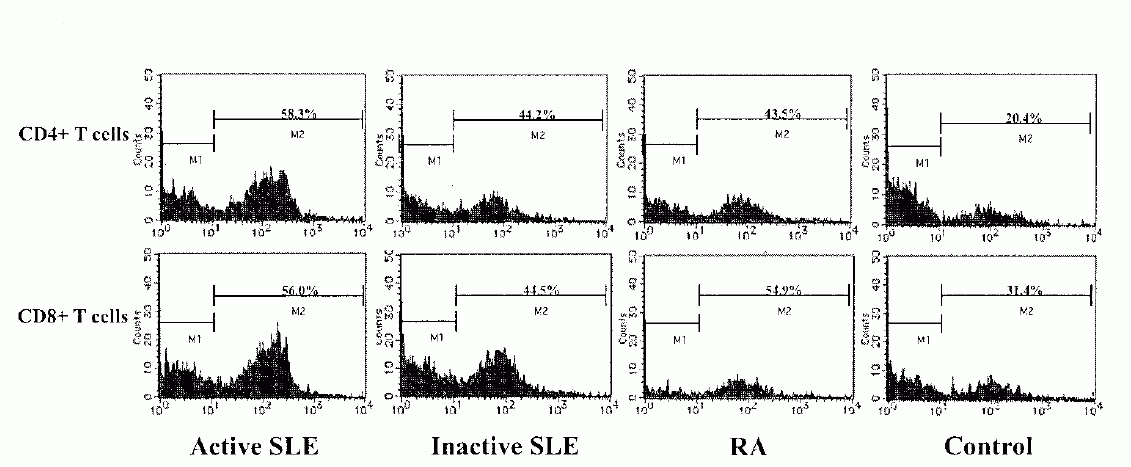
ELISA, Flow, IF, IHC-P, WB
Host Species:
Rabbit
Species Reactivity:
Human, Mouse, Rat
Conjugate:
Unconjugated
Specifications
Host Species:
Rabbit
Species Reactivity:
Human, Mouse, Rat
Homology:
Predicted species reactivity based on immunogen sequence: Bovine: (82%)
Immunogen:
Anti-CX3CR1 antibody (2093) was raised against a peptide corresponding to 20 amino acids near the amino terminus of mature human CX3CR1.
The immunogen is located within the first 50 amino acids of CX3CR1.
Conjugate:
Unconjugated
Tested Applications:
ELISA, Flow, IF, IHC-P, WB
Application Note:
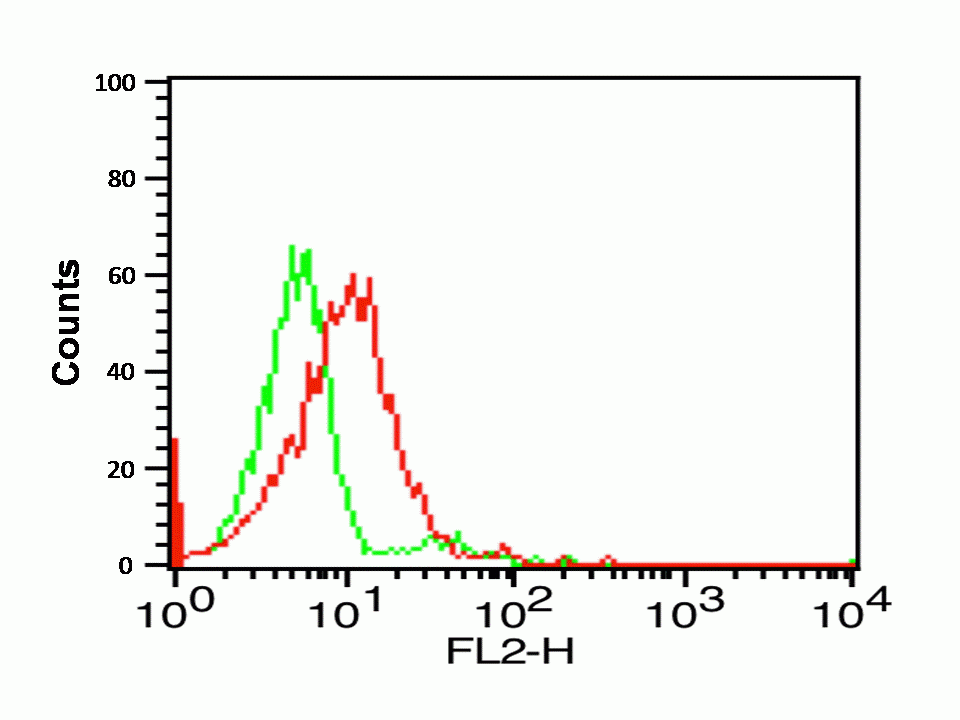
WB: 1 -2 μg/mL; IF: 10-20 μg/mL, IHC-P: 2 μg/mL: Flow: 0.1 μg/mL .
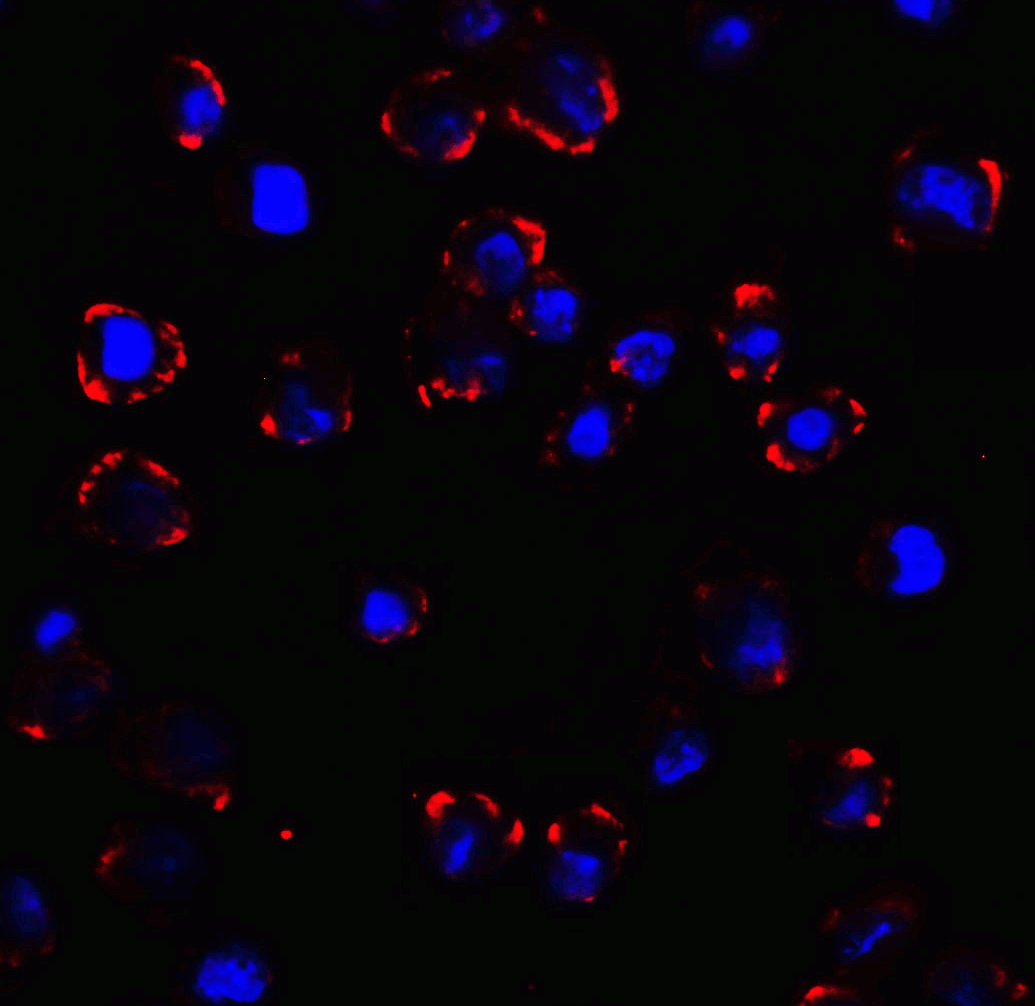
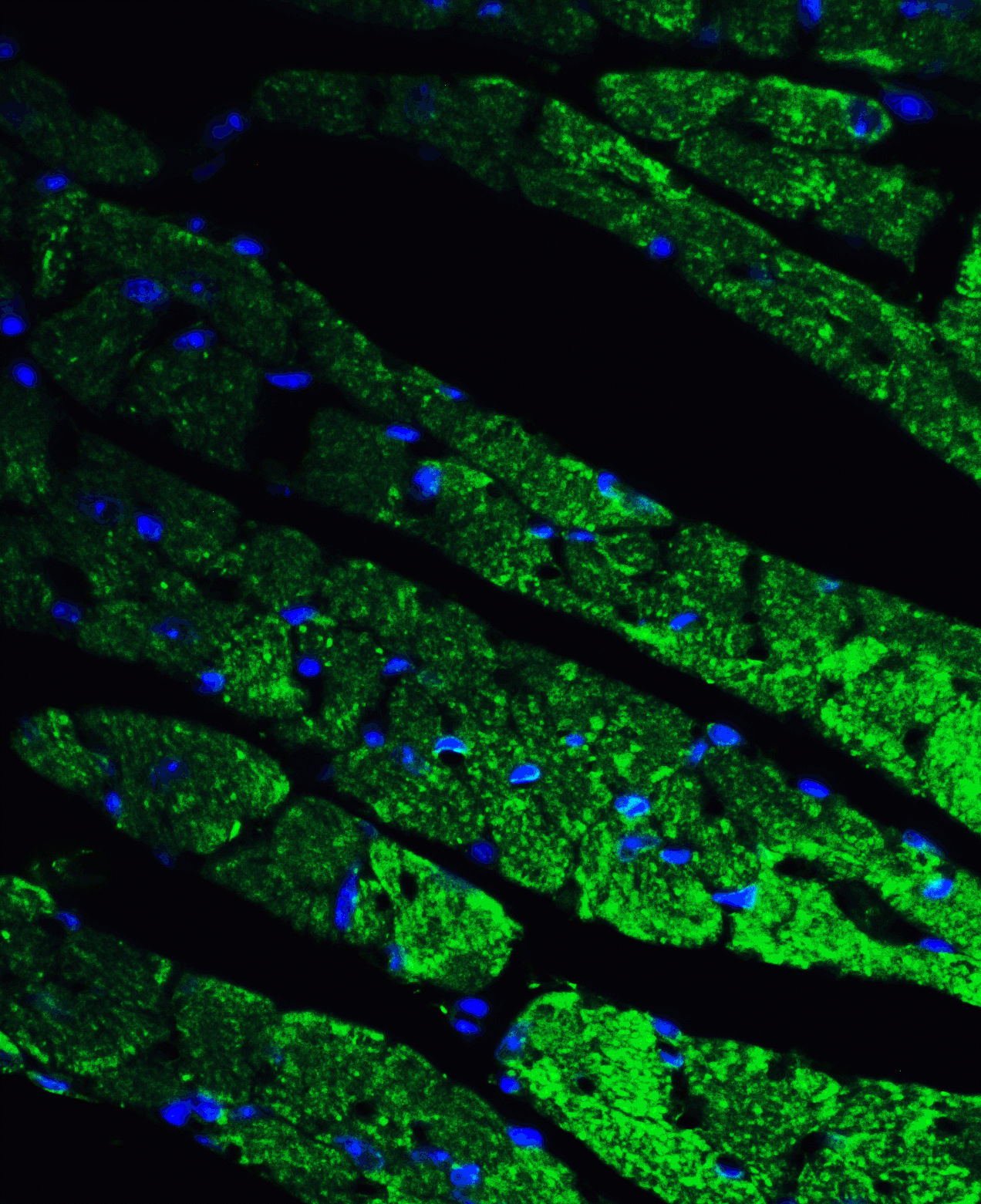
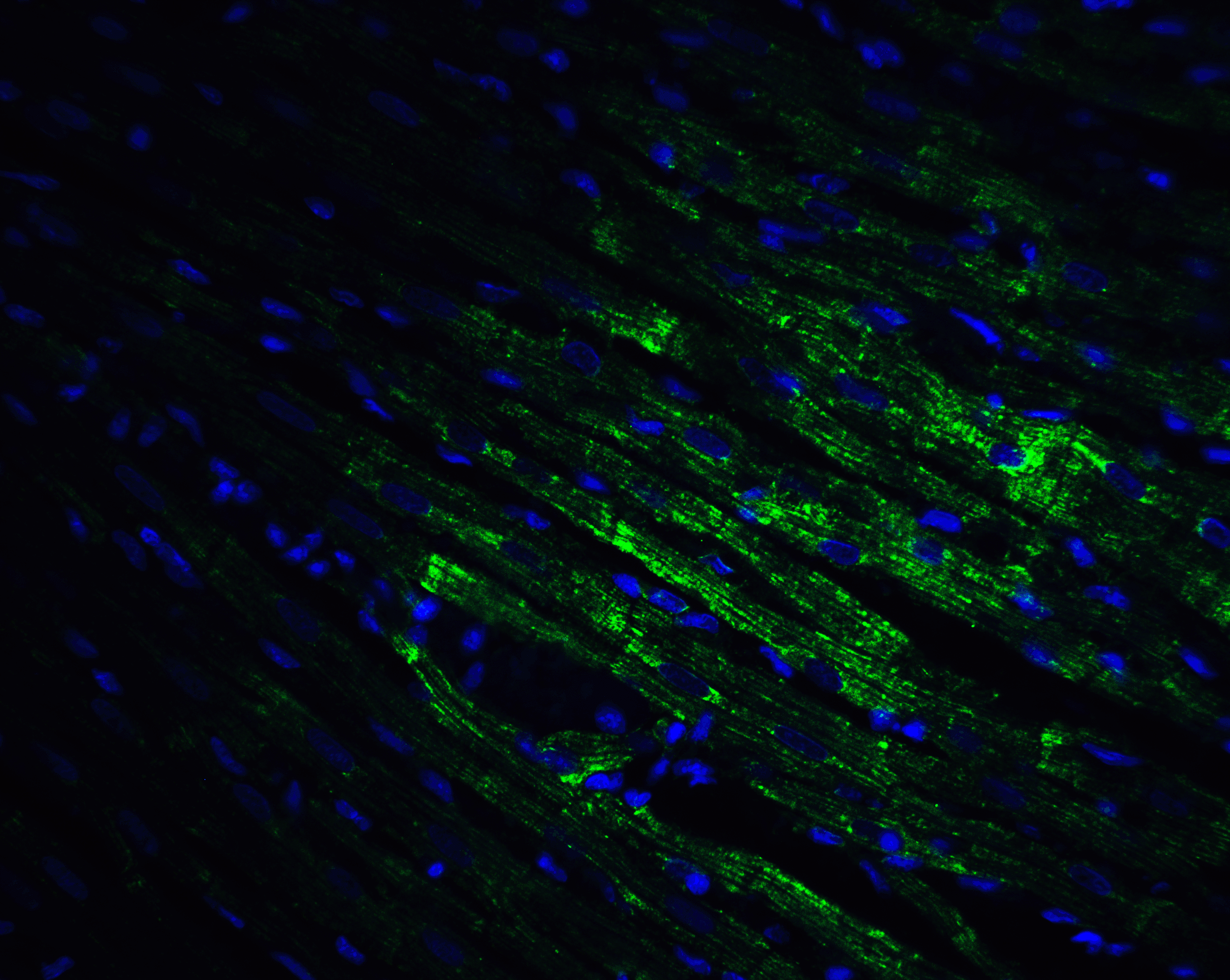
Antibody validated: Western Blot in human, mouse and rat samples; Immunohistochemistry in rat samples; Immunofluorescence in human, mouse and rat samples; Flow cytometry in human samples. All other applications and species not yet tested.
Positive Control 1:
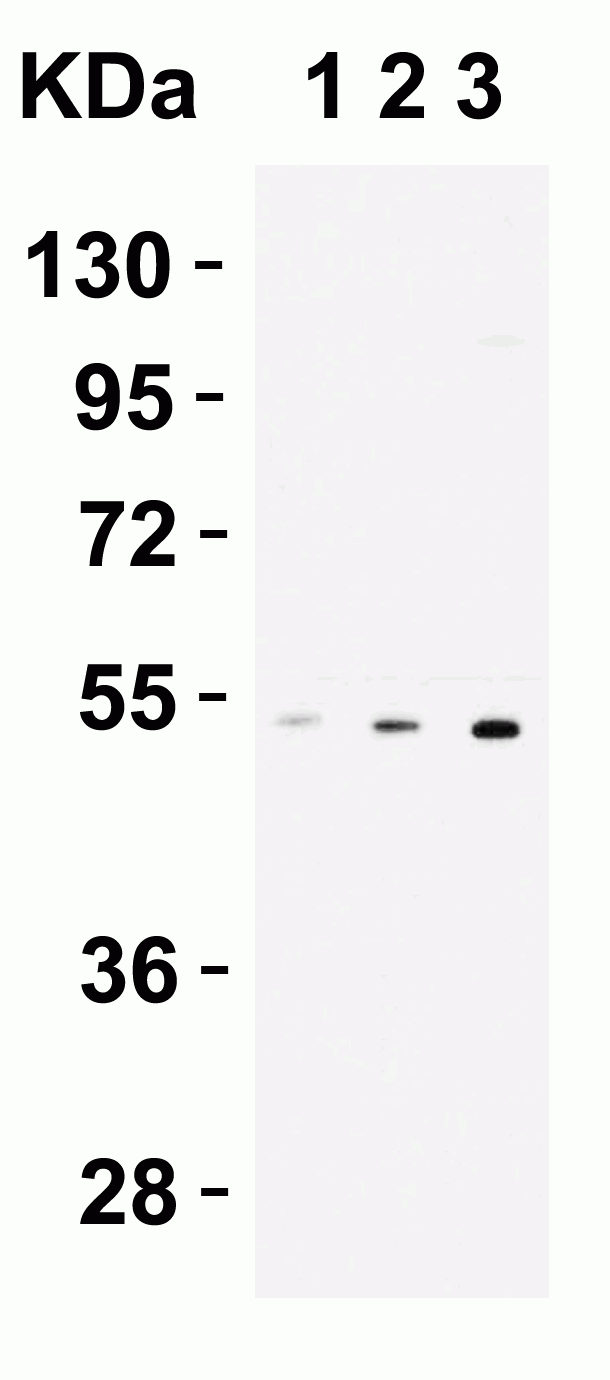
Cat. No. 1306 - Human Spleen Tissue Lysate
Positive Control 2:
Cat. No. 10-501 - Human Heart Tissue Slide
Positive Control 3:
Cat. No. 1466 - Rat Spleen Tissue Lysate
Positive Control 4:
Cat. No. 1208 - THP-1 Cell Lysate
Predicted Molecular Weight:
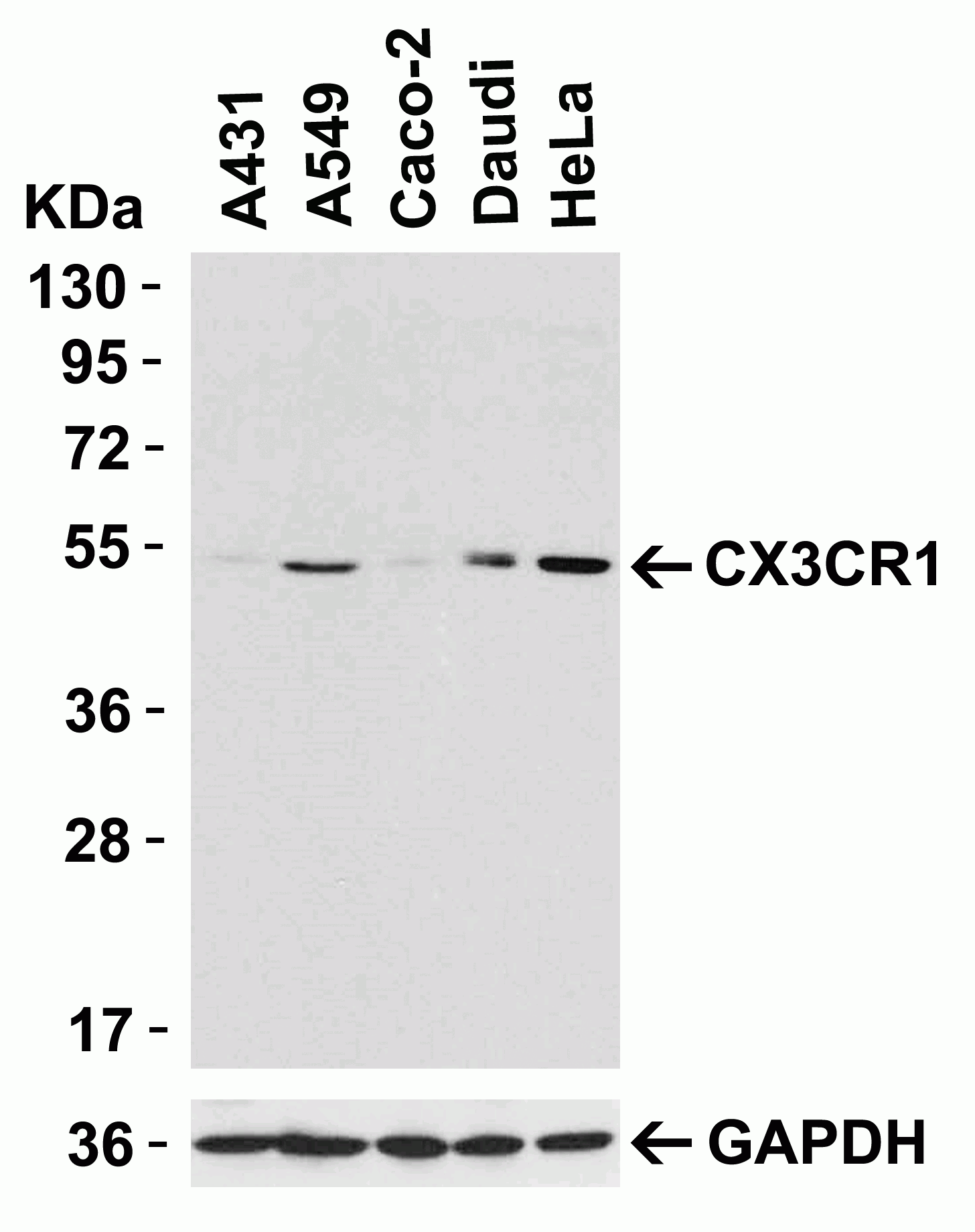
Predicted: 40-44 kD
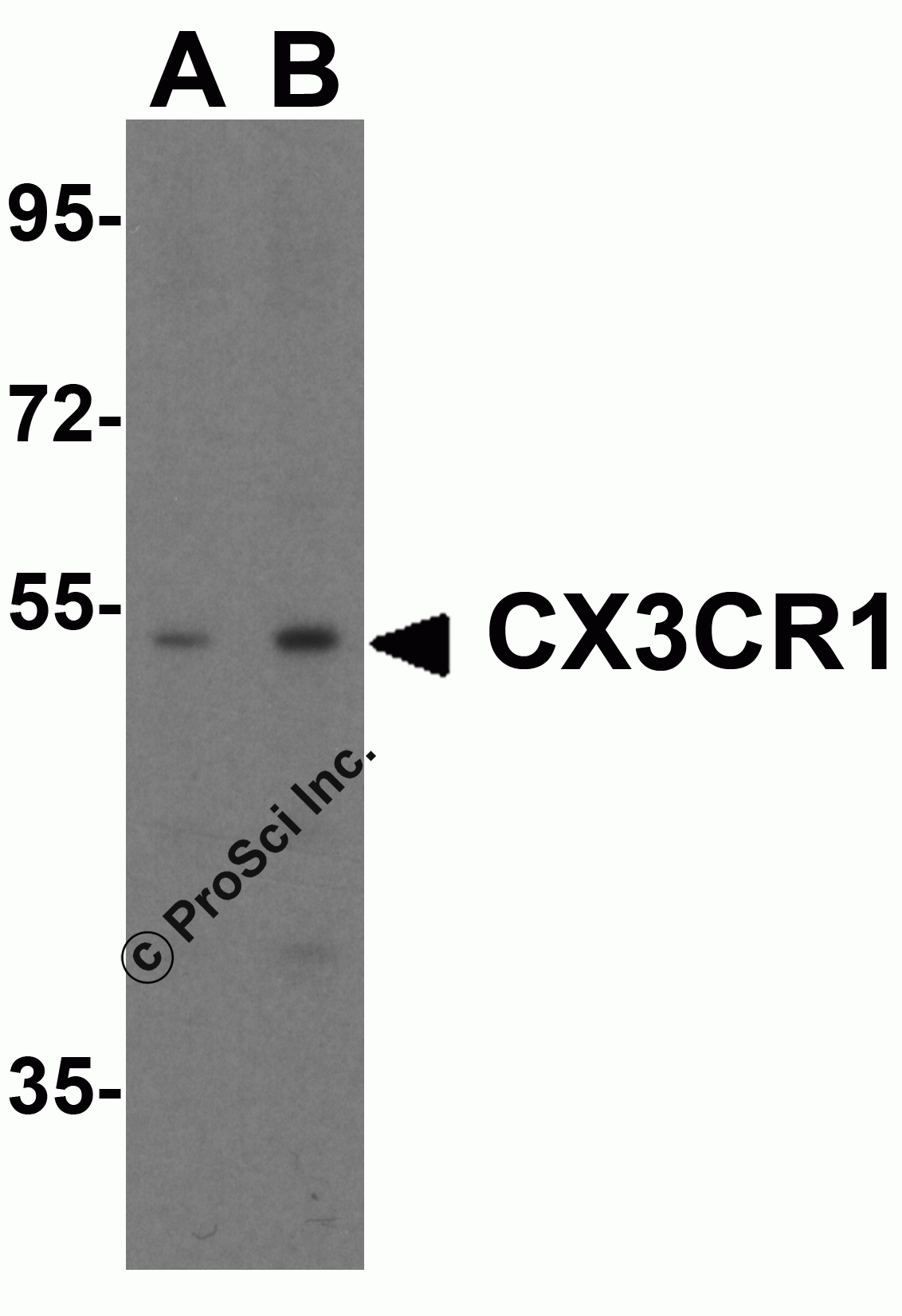
Observed: 50 kD
Validation:

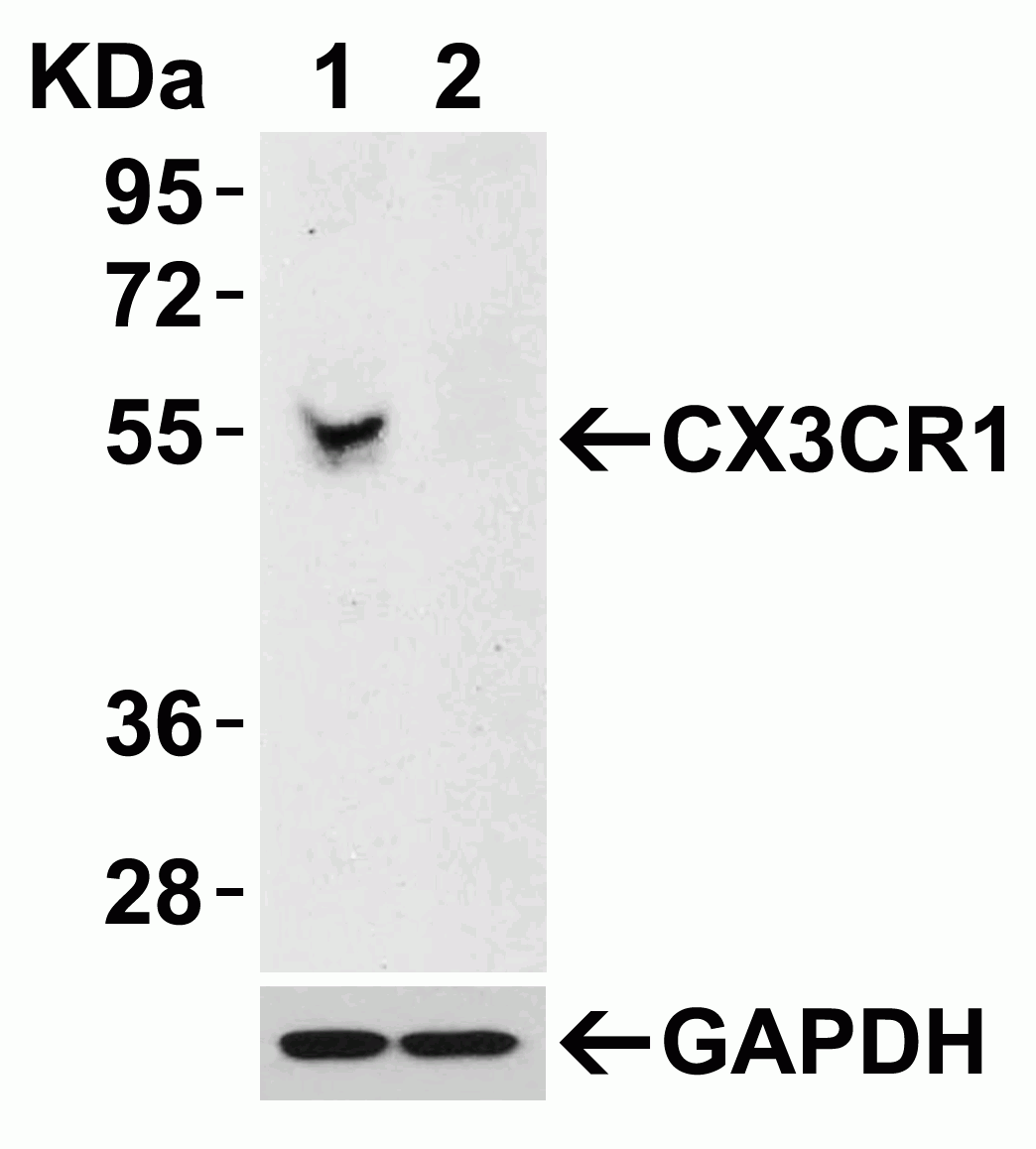
KD Validation (Figure 2): Anti-CX3CR1 antibody (2093) specificity was further verified by CX3CR1 specific knockdown. CX3CR1 signal in 293 cells transfected with CX3CR1 siRNAs was disrupted in comparison with that in cells transfected with control siRNAs.

Regulated expression validation (Figure 13): CX3CR1 expression detected by anit-CX3CR1 antibodies (2093) was up-regulated by IL-2, which was inhibited by IL-15.

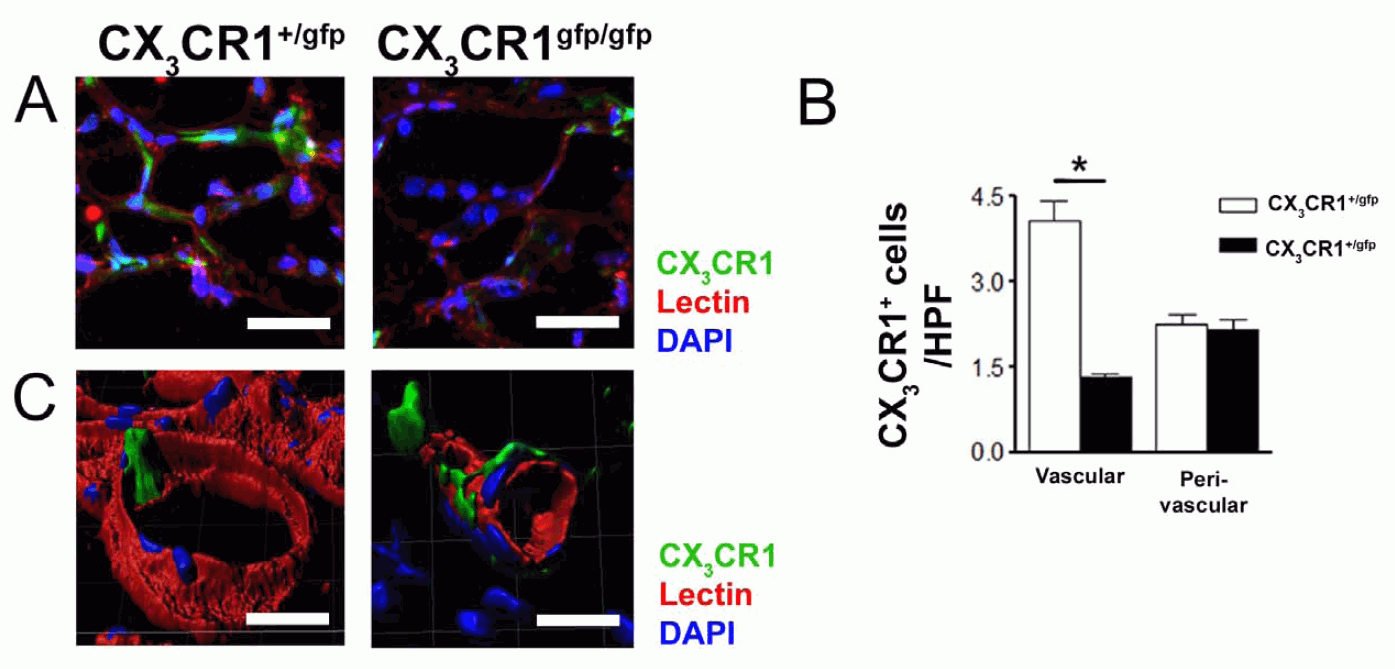
Deficiency Validation (Figure 15): CX3CR1+ cells detected by anti-CX3CR1 antibodies is localized in vascular wall of CX3CR1+/gfp mice, but not in CX3CR1gfp/gfp mice, where cells remained in perivascular region.

Isoforms:
Human CX3CR1 has 3 isoforms, including isoform 1 (355aa, 40kD), isoform 2 (387aa, 44kD), isoform 3 (362aa, 41kD). Mouse CX3CR1 has one isoform (354aa, 40kD) and rat CX3CR1 also has one isoform (354aa, 40kD). 2093 can detect all isoforms of human, mouse and rat.
Purification:
CX3CR1 Antibody is affinity chromatography purified via peptide column.
Clonality:
Polyclonal
Isotype:
IgG
physical-state:
Liquid
Buffer:
CX3CR1 Antibody is supplied in PBS containing 0.02% sodium azide.
Concentration:
1 mg/mL
Storage Conditions:
CX3CR1 antibody can be stored at 4°C for three months and -20°C, stable for up to one year. As with all antibodies care should be taken to avoid repeated freeze thaw cycles. Antibodies should not be exposed to prolonged high temperatures.
Ncbi Official Symbol:
CX3CR1
Additional Names:
CX3CR1 Antibody: V28, CCRL1, GPR13, CMKDR1, GPRV28, CMKBRL1, CX3C chemokine receptor 1, Beta chemokine receptor-like 1, C-X3-C CKR-1
Protein Accession Number:
NP_001328
Protein Gi Number:
4503171
Ncbi Gene Id Number:
1524
User Note:
Optimal dilutions for each application to be determined by the researcher.
Background:
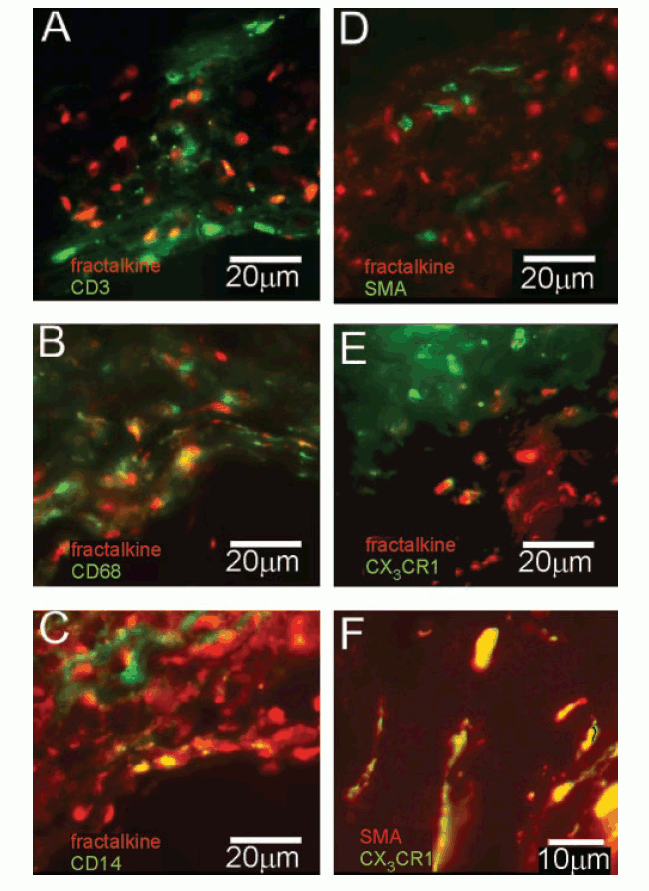
CX3CR1 Antibody: CX3CR1 is one of the chemokine receptors that are required as coreceptors for HIV infection. The genes encoding human, murine, and rat CX3CR1 were cloned and designated V28 and CMKBRL1, CX3CR1, and RBS11, respectively. The encoded seven transmembrane protein was recently identified as the receptor for a novel transmembrane molecule, fractalkine, and renamed CX3CR1. Recently, CX3CR1 was found to serve as a coreceptor for HIV-1 and HIV-2 envelope fusion and virus infection, which can be inhibited by fractokine. CX3CR1 mediates leukocyte migration and adhesion. CX3CR1 is expressed in a variety of human tissues and cell lines.
Background Reference 1:
Raport et al. Gene 1995;163:295-9.
Background Reference 2:
Combadiere et al. DNA Cell Biol 1995;14:673-80.
Background Reference 3:
Combadiere et al. Biochem Biophys Res Commun 1998;253:728-32.
Background Reference 4:
Harrison et al. Neurosci Lett 1994;169:85-9.
Citation 1:
Lucas et al. Smooth muscle cells in human atherosclerotic plaques express the fractalkine receptor CX3CR1 and undergo chemotaxis to the CX3C chemokine fractalkine (CX3CL1). Circulation. 2003;108(20):2498-504.PMID: 14581400
Citation 2:
Barlic et al. IL-15 and IL-2 oppositely regulate expression of the chemokine receptor CX3CR1. Blood. 2003;102(10):3494-503. PMID: 12881312
Citation 3:
Yajima et al. Elevated levels of soluble fractalkine in active systemic lupus erythematosus: potential involvement in neuropsychiatric manifestations. Arthritis Rheum. 2005;52(6):1670-5. PMID: 15934075
Citation 4:
Kumar et al. Role of CX3CR1 receptor in monocyte/macrophage driven neovascularization. PLoS One. 2013;8(2):e57230. PMID: 23437346
Citation 5:
Beutner et al. Engineered stem cell-derived microglia as therapeutic vehicle for experimental autoimmune encephalomyelitis. Gene Ther. 2013;20(8):797-806. PMID: 23324824
Citation 6:
Wang et al. TGF-β/Smad3 signalling regulates the transition of bone marrow-derived macrophages into myofibroblasts during tissue fibrosis. Oncotarget. 2016;7(8):8809-22. PMID: 26684242
Citation 7:
Kang et al. Intestinal epithelial cell-derived semaphorin 7A negatively regulates development of colitis via αvβ1 integrin. J Immunol. 2012;188(3):1108-16. PMID: 22198947
Citation 8:
Umemura et al. Tumor-infiltrating myeloid-derived suppressor cells are pleiotropic-inflamed monocytes/macrophages that bear M1- and M2-type characteristics. J Leukoc Biol. 2008;83(5):1136-44. PMID: 18285406
Citation 9:
You et al. Fractalkine, a CX3C chemokine, as a mediator of ocular angiogenesis. Invest Ophthalmol Vis Sci. 2007;48(11):5290-8. PMID: 17962485
Citation 10:
Matsunawa et al. Elevated serum levels of soluble CX3CL1 in patients with microscopic polyangiitis. Clin Exp Rheumatol. 2009;27(1):72-8. PMID: 19327232
Citation 11:
Sato et al. Involvement of CX3CL1/CX3CR1 axis in etanercept therapy for patients with active rheumatoid arthritis. Open Access Rheumatol. 2011;3:1-7. PMID: 27789999
Citation 12:
Clara Beutner. Microglia derived from embryonic stem cells and its application in CNS diseases. PhD Thesis. University of Bonn, Germany. 2012.PMID:
Citation 13:
Kristin Roy. Establishment of microglial precursors derived from human induced pluripotent stem cells to model SOD1-mediated amyotrophic lateral sclerosis. PhD Thesis. University of Bonn, Germany. 2012.PMID:
Citation 14:
Isabella Napoli. Establishment of Embryonic Stem Cell Derived Microglial Precursors and Application in an Animal Model of Alzheimer's Disease. PhD Thesis. University of Bonn, Germany. 2008.PMID:
Citation 15:
Kalaimathi Govindarajan. Role of KLF4 in regulation of myocardin induced SMC differentiation in human smooth muscle stem progenitor cells (hSMSPC). PhD Thesis. University of College Cork, Ireland. 2013.PMID:
Citation 16:
Rashmi Bankoti. Further characterization of pathogenic lung Th2 memory cells in experimental allergic asthma. PhD Thesis. University of Vienna, Austria. 2008.PMID:

FOR RESEARCH USE ONLY

For additional information, visit ProSci’s Terms & Conditions Page.

Disclaimer:
Optimal dilutions/concentrations should be determined by the end user. The information provided is a guideline for product use. This product is for research use only.

CATALOG NUMBER:

2093

List Size:
0.02 mg, 0.1 mg

List Price:

Price range: $99.00 through $445.00

Shipping Info
Customize your order
Custom Antibody Services

New & Featured Products

CATALOG NUMBER: PM-7369-HRP

CATALOG NUMBER: PM-7369-biotin

CATALOG NUMBER: PM-7369