IAV
Most Cited
Most Images
Trial Size

DR4 Antibody

CATALOG NUMBER: 1167

Clonality:
Polyclonal
Tested Applications:
ELISA, ICC, IF, WB
Host Species:
Rabbit
Species Reactivity:
Human, Mouse, Rat
Conjugate:
Unconjugated
Specifications
Host Species:
Rabbit
Species Reactivity:
Human, Mouse, Rat
Immunogen:
Anti-DR4 antibody (1167) was raised against a peptide corresponding to 20 amino acids near the amino terminus of human DR4.
The immunogen is located within the first 50 amino acids of DR4.
Conjugate:
Unconjugated
Tested Applications:
ELISA, ICC, IF, WB
Application Note:
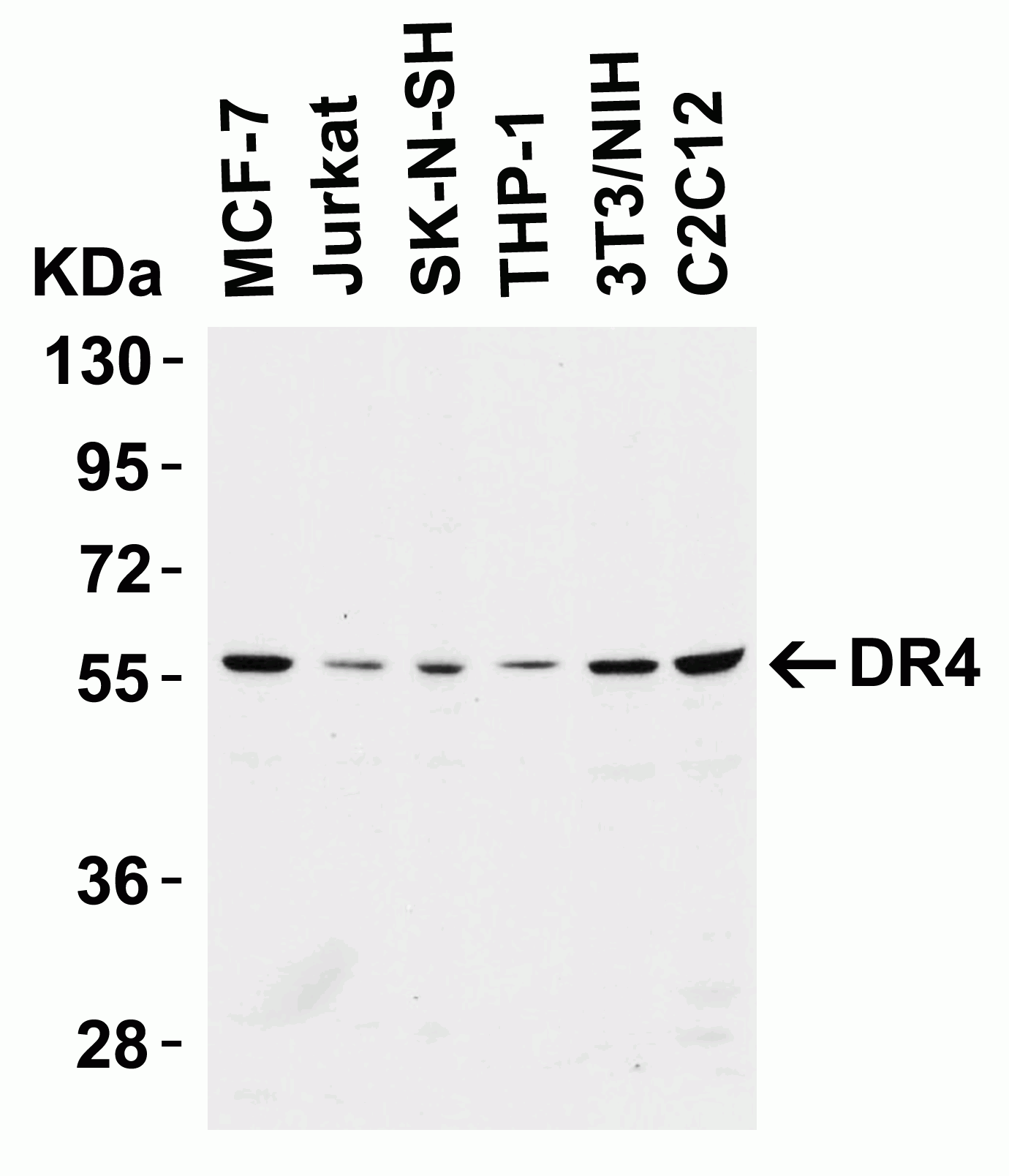
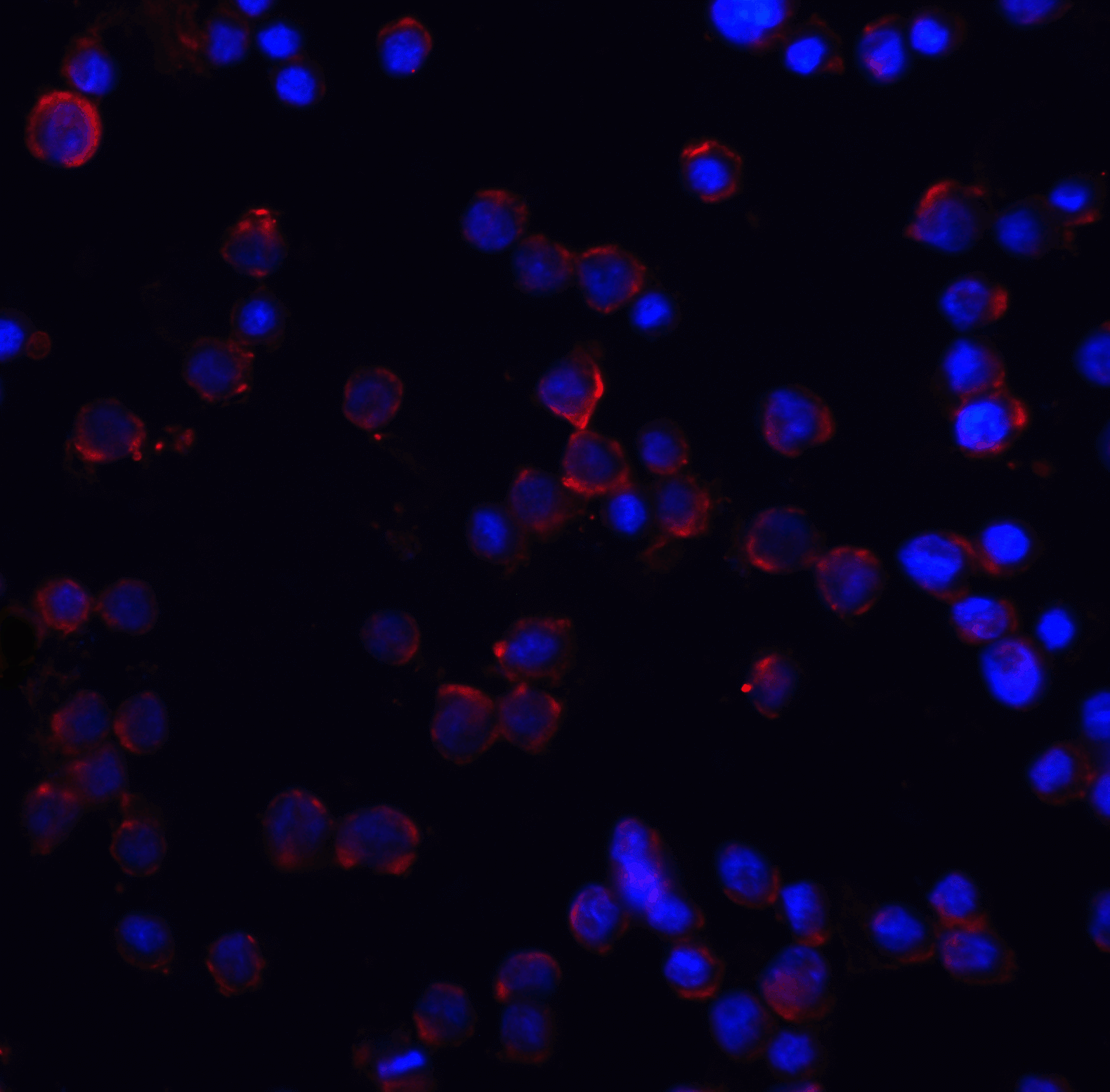
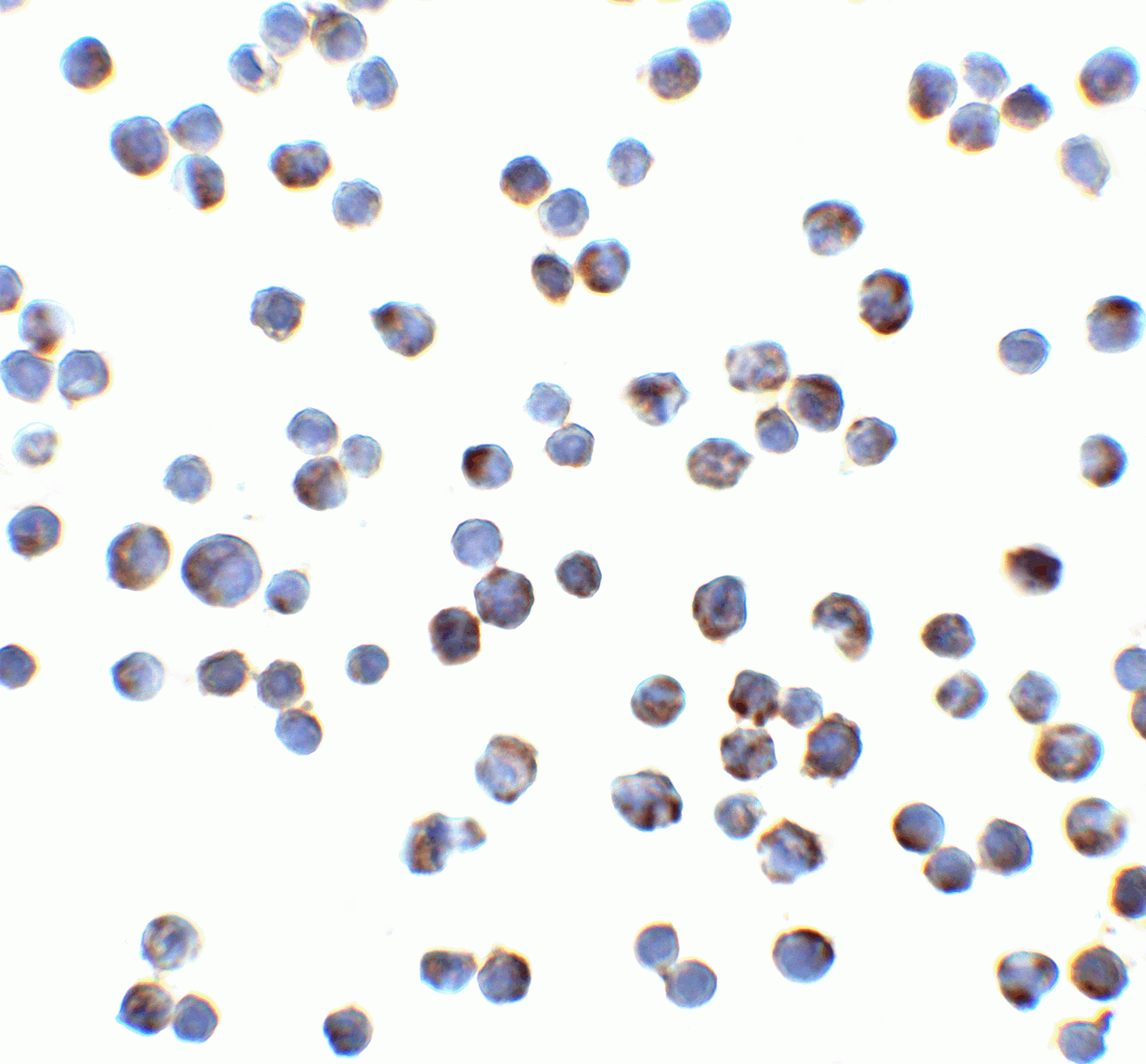
WB: 1-4 μg/mL; ICC: 2 μg/mL; IF: 5 μg/mL.
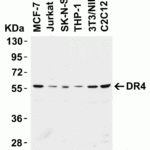
Antibody validated: Western Blot in human and mouse samples; Immunocytochemistry in human samples and Immunofluorescence in human and rat samples. All other applications and species not yet tested.
Specificity:
DR4 antibody has no cross reaction to DR5.
Positive Control 1:
Cat. No. 1202 - A431 Cell Lysate
Positive Control 2:
Cat. No. 1203 - A549 Cell Lysate
Positive Control 3:
Cat. No. 1224 - Daudi Cell Lysate
Positive Control 4:
Cat. No. 1201 - HeLa Cell Lysate
Predicted Molecular Weight:
Predicted: 50kD
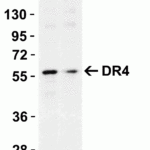
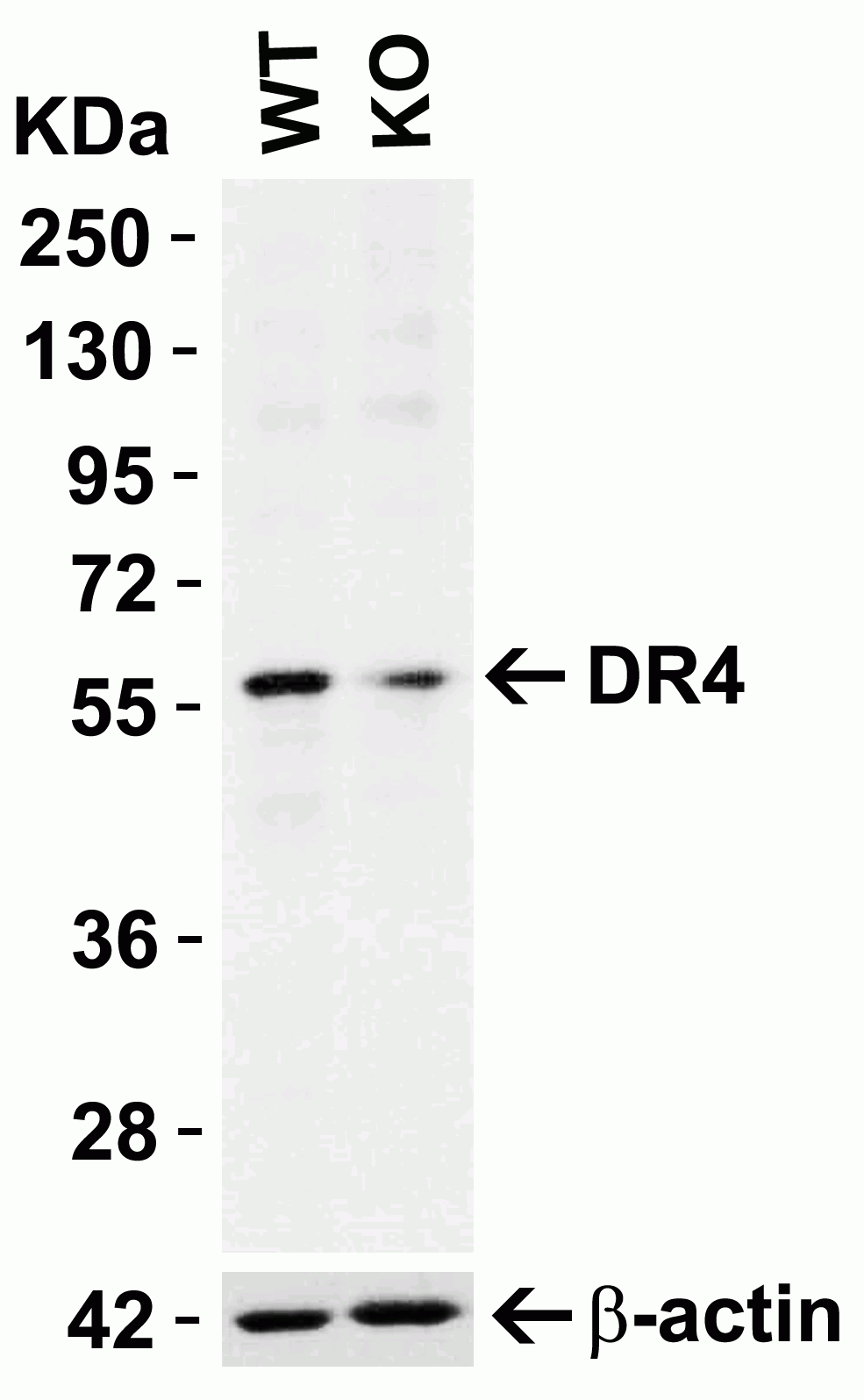
Observed: 55kD (Post-modification: 1 N-linked glycosylation)
Validation:

KO Validation (Figure 1): Anti-DR4 antibodies (1167) specificity was further verified by DR4 specific knockout cell lysate. DR4 signal was detected in wild type cells, but not in the DR4 knockout cells.

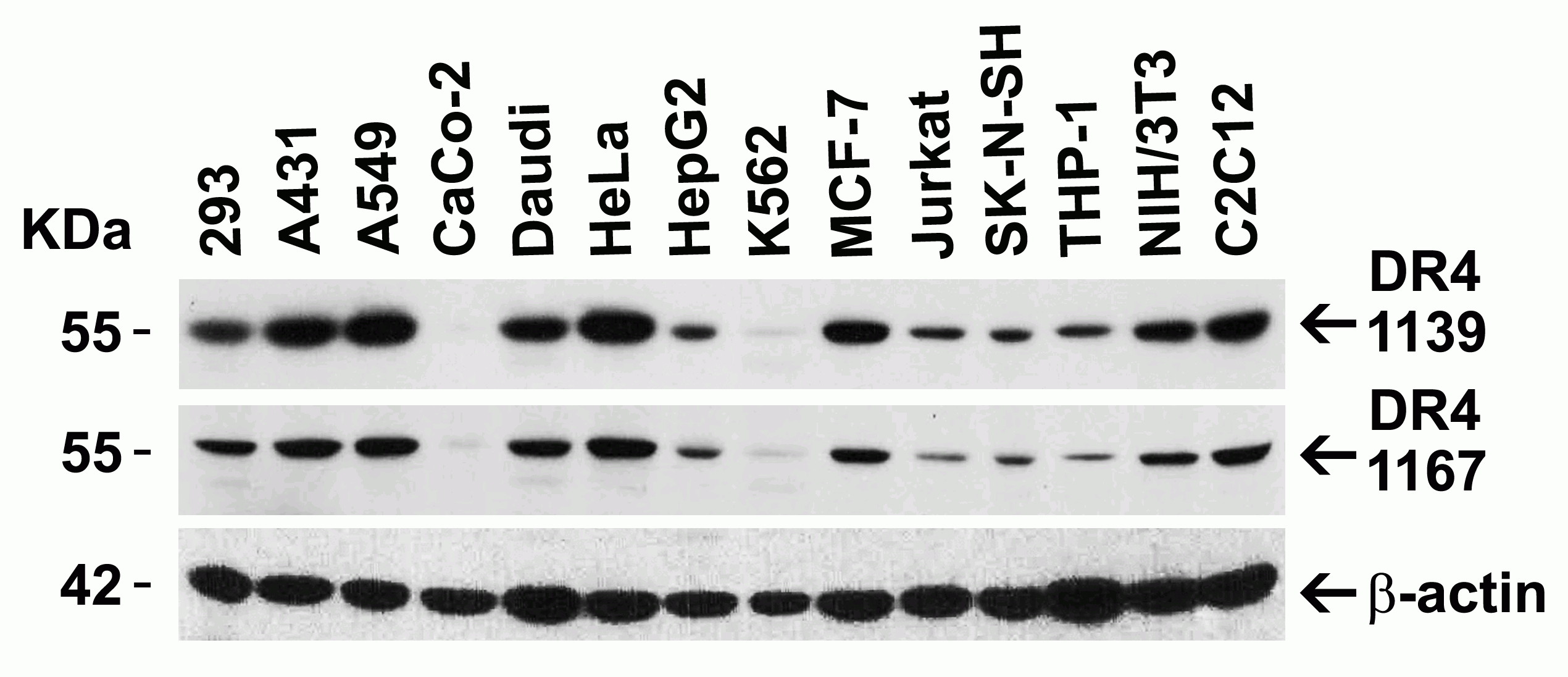
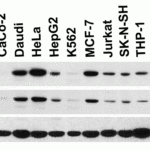
Independent Antibody Validation in Cell lines (Figure 2) shows similar DR4 expression profile in human cell lines detected by two independent anti-DR4 antibodies that recognize different epitopes, 1139 against C-terminus domain and 1167 against the N-terminus domain.  DR4 proteins are detected in all the tested cell lines except CaCo-2 at different expression levels by the two independent antibodies.

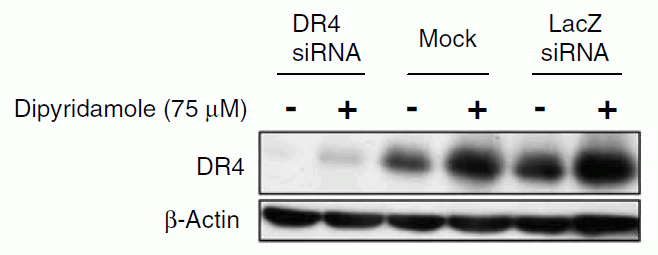
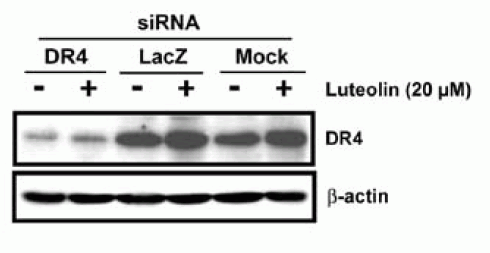
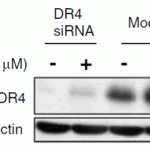
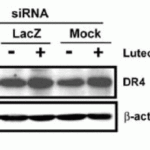
KD validation (Figure 6, 10): Anti-DR4 antibody specificity was further verified by DR4 specific siRNA knockdown. DR4 signal in SW480 and HeLa cells transfected with DR4 siRNAs was disrupted in comparison with that in cells transfected with control siRNAs.

Isoforms:
Human DR4 has only 1 isoform (468aa, 50kD).
Purification:
DR4 Antibody is affinity chromatography purified via peptide column.
Clonality:
Polyclonal
Isotype:
IgG
physical-state:
Liquid
Buffer:
DR4 Antibody is supplied in PBS containing 0.02% sodium azide.
Concentration:
1 mg/ml
Storage Conditions:
DR4 antibody can be stored at 4°C for three months and -20°C, stable for up to one year. As with all antibodies care should be taken to avoid repeated freeze thaw cycles. Antibodies should not be exposed to prolonged high temperatures.
Ncbi Official Symbol:
TNFRSF10A
Additional Names:
DR4 Antibody: DR4, APO2, CD261, TRAILR1, TRAILR-1, DR4, Tumor necrosis factor receptor superfamily member 10A, Death receptor 4, TRAIL receptor 1
Protein Accession Number:
AAC51226
Protein Gi Number:
1945072
Ncbi Gene Id Number:
8797
User Note:
Optimal dilutions for each application to be determined by the researcher.
Background:
DR4 Antibody: Apoptosis, or programmed cell death, occurs during normal cellular differentiation and development of multicellular organisms. Apoptosis is induced by certain cytokines including TNF and Fas ligand in the TNF family through their death domain containing receptors, TNFR1 and Fas. A novel death domain containing receptor was recently identified and designated DR4 (for death receptor 4). The ligand for this novel death receptor has been identified and termed TRAIL, which is a new member in the TNF family. DR4 is also called TRAIL receptor-1 (TRAIL-R1). DR4 is expressed in most of human tissues including spleen, peripheral blood leukocytes, small intestine and thymus. Like TNFR1, Fas and DR3, DR4 mediates apoptosis and NF-κB activation in many tissues and cells.
Background Reference 1:
Pan et al. Science 1997;276:111-3
Background Reference 2:
Wiley et al. Immunity 1995; 3:673-82
Background Reference 3:
Pitti et al. J. Biol. Chem. 1996;271:12687-90
Background Reference 4:
Schneider et al. Immunity 1997; 7:831-6
Citation 1:
Goda et al. Mechanisms of enhancement of TRAIL tumoricidal activity against human cancer cells of different origin by dipyridamole. Oncogene. 2008 ;27(24):3435-45. PMID: 18193086
Citation 2:
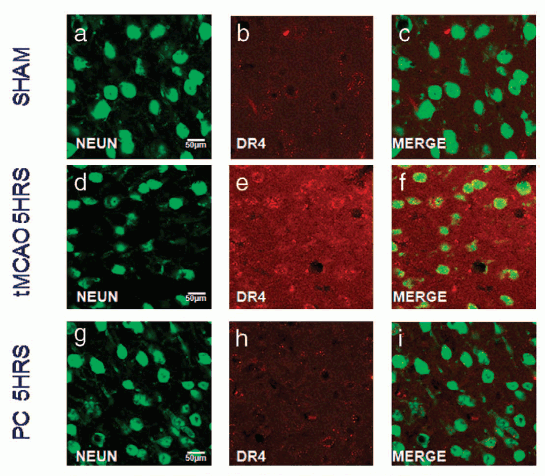
Cantarella et al. Ischemic tolerance modulates TRAIL expression and its receptors and generates a neuroprotected phenotype. Cell Death Dis. 2014 ;5:e1331. PMID: 25032854
Citation 3:
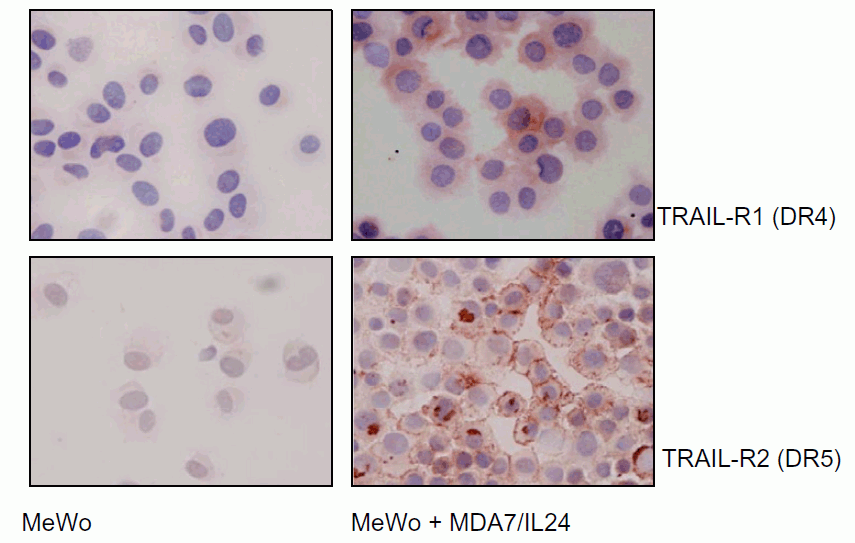
Ekmekcioglu et al. Killing of human melanoma cells induced by activation of class I interferon-regulated signaling pathwaysvia MDA-7/IL-24. Cytokine. 2008;43(1):34-44.PMID: 18511292
Citation 4:
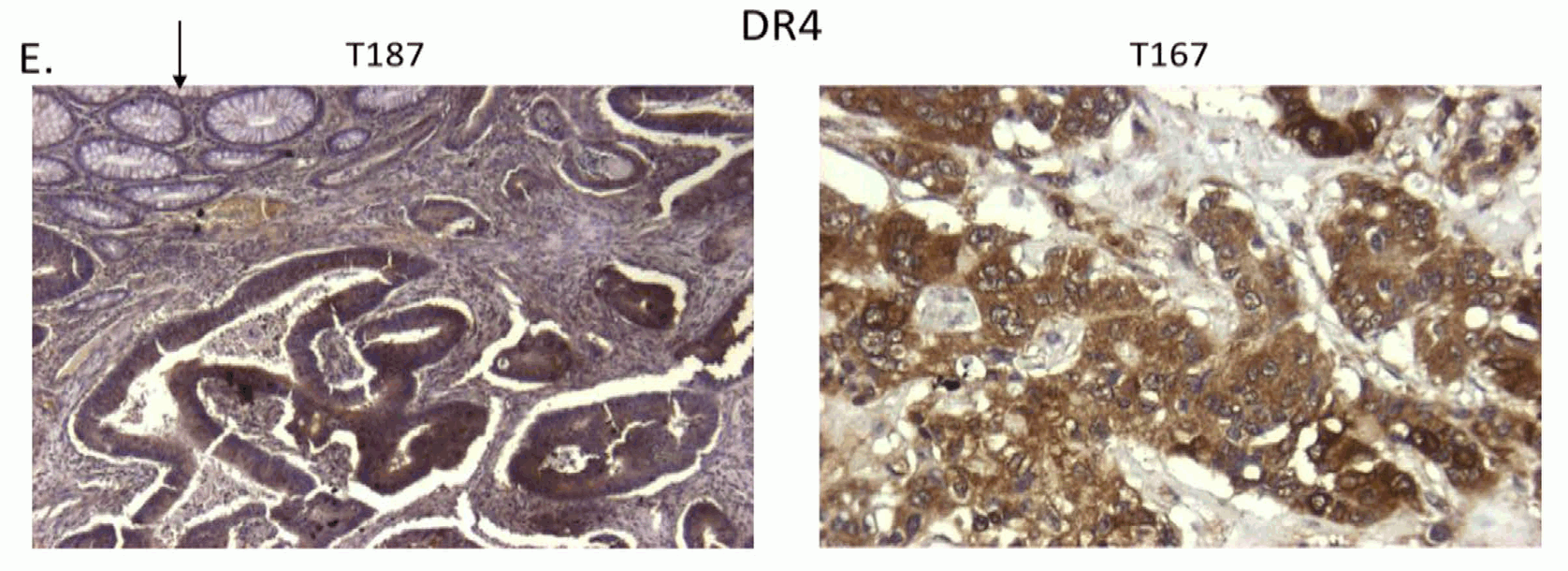
Devetzi et al. Death receptor 5 (DR5) and a 5-gene apoptotic biomarker panel with significant differential diagnostic potential in colorectal cancer. Sci Rep. 2016;6:36532. PMID: 27827395
Citation 5:
Horinaka et al. Luteolin induces apoptosis via death receptor 5 upregulation in human malignant tumor cells. Oncogene. 2005;24(48):7180-9. PMID: 16007131
Citation 6:
Malhi et al. Free fatty acids sensitise hepatocytes to TRAIL mediated cytotoxicity. Gut. 2007;56(8):1124-31. PMID: 17470478
Citation 7:
Kalan et al. Activation of the p53 Transcriptional Program Sensitizes Cancer Cells to Cdk7 Inhibitors. Cell Rep. 2017;21(2):467-48 PMID: 29020632
Citation 8:
Kurita et al. GLI3-dependent repression of DR4 mediates hedgehog antagonism of TRAIL-induced apoptosis. Oncogene. 2010;29(34):4848-58.PMID: 20562908
Citation 9:
Potu et al. Usp5 links suppression of p53 and FAS levels in melanoma to the BRAF pathway. Oncotarget. 2014;5(14):5559-69. PMID: 24980819
Citation 10:
Ashley et al. In vitro sensitivity testing of minimally passaged and uncultured gliomas with TRAIL and/or chemotherapy drugs. Br J Cancer. 2008;99(2):294-304. PMID: 18594532
Citation 11:
Cazanave et al. Death receptor 5 signaling promotes hepatocyte lipoapoptosis. J Biol Chem. 2011;286(45): 39336-48. PMID: 21941003
Citation 12:
Song et al. ABT-737 induces expression of the death receptor 5 and sensitizes human cancer cells to TRAIL-induced apoptosis. J Biol Chem. 2008;283(36):25003-13.PMID: 18599488
Citation 13:
Yoo et al. Effect of hyperthermia on TRAIL-induced apoptotic death in human colon cancer cells: development of a novel strategy for regional therapy. J Cell Biochem. 2007;101(3):619-30. PMID: 17212362
Citation 14:
Lauricella et al. SAHA/TRAIL combination induces detachment and anoikis of MDA-MB231 and MCF-7 breast cancer cells. Biochimie. 2012;94(2):287-99. PMID: 21835222
Citation 15:
Cantarella et al. Protective effects of the sigma agonist Pre-084 in the rat retina. Br J Ophthalmol. 2007;91(10):1382-4. PMID: 17522150
Citation 16:
Lim et al. Andrographolide induces apoptotic and non-apoptotic death and enhances tumor necrosis factor-related apoptosis-inducing ligand-mediated apoptosis in gastric cancer cells. Oncol Lett. 2017; 13(5):3837-3844.PMID: 28529596
Citation 17:
Taniguchi et al. Targeting the glyoxalase pathway enhances TRAIL efficacy in cancer cells by downregulating the expression of antiapoptotic molecules. Mol Cancer Ther. 2012;11(10):2294-300.PMID: 22784708
Citation 18:
Toriyama et al. A Histone Deacetylase Inhibitor, OBP-801, and Celecoxib Synergistically Inhibit the Cell Growth with Apoptosis via a DR5-Dependent Pathway in Bladder Cancer Cells. Mol Cancer Ther. 2016;15(9):2066-75.PMID: 27406983
Citation 19:
Lu et al. Therapeutic potential and molecular mechanism of a novel, potent, nonpeptide, Smac mimetic SM-164 in combination with TRAIL for cancer treatment. Mol Cancer Ther. 2011;10(5):902-14.PMID: 21372226
Citation 20:
Rizzardi etal. Apoptosis-related factors (TRAIL, DR4, DR5, DcR1, DcR2, apoptotic cells) and proliferative activity in ameloblastomas. Anticancer Res.2009;29(4):1137-42.PMID: 19414356

FOR RESEARCH USE ONLY

For additional information, visit ProSci’s Terms & Conditions Page.

Disclaimer:
Optimal dilutions/concentrations should be determined by the end user. The information provided is a guideline for product use. This product is for research use only.

CATALOG NUMBER:

1167

List Size:
0.02 mg, 0.1 mg

List Price:

Price range: $99.00 through $445.00

Shipping Info
Customize your order
Custom Antibody Services

New & Featured Products

CATALOG NUMBER: PM-7369-HRP

CATALOG NUMBER: PM-7369-biotin

CATALOG NUMBER: PM-7369