Most Cited
Most Images
Trial Size

EndoG Antibody

CATALOG NUMBER: 3035

Clonality:
Polyclonal
Tested Applications:
ELISA, IF, IHC-P, WB
Host Species:
Rabbit
Species Reactivity:
Human, Mouse, Rat
Conjugate:
Unconjugated
Specifications
Host Species:
Rabbit
Species Reactivity:
Human, Mouse, Rat
Immunogen:
Anti-EndoG antibody (3035) was raised against a peptide corresponding to 15 amino acids near the amino terminus of human ENDOG.
The immunogen is located within amino acids 40-90 of EndoG.
Conjugate:
Unconjugated
Tested Applications:
ELISA, IF, IHC-P, WB
Application Note:
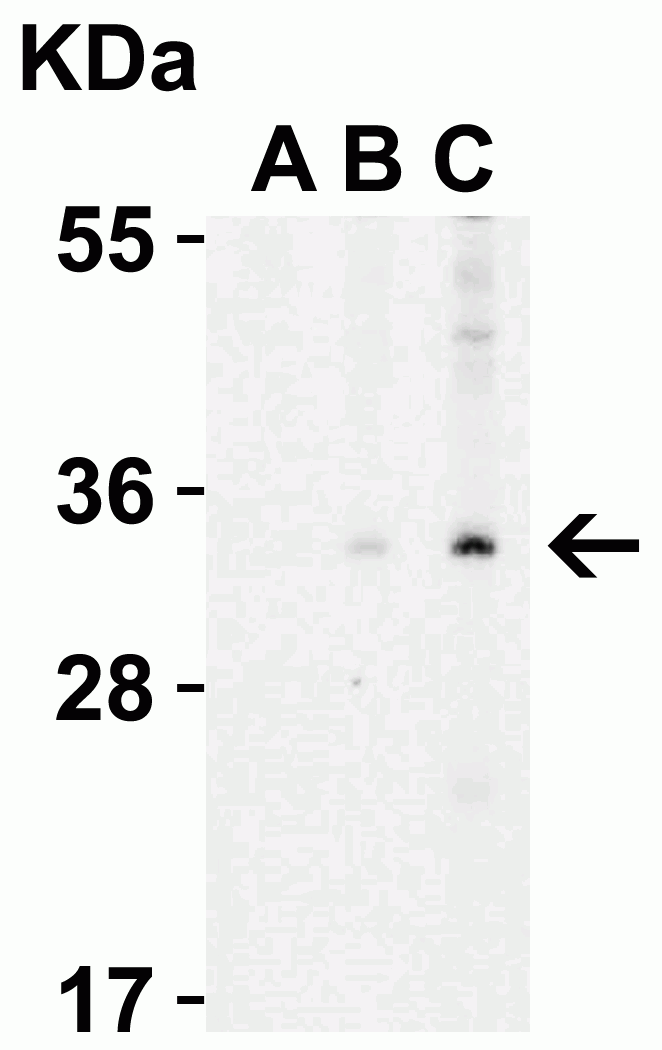
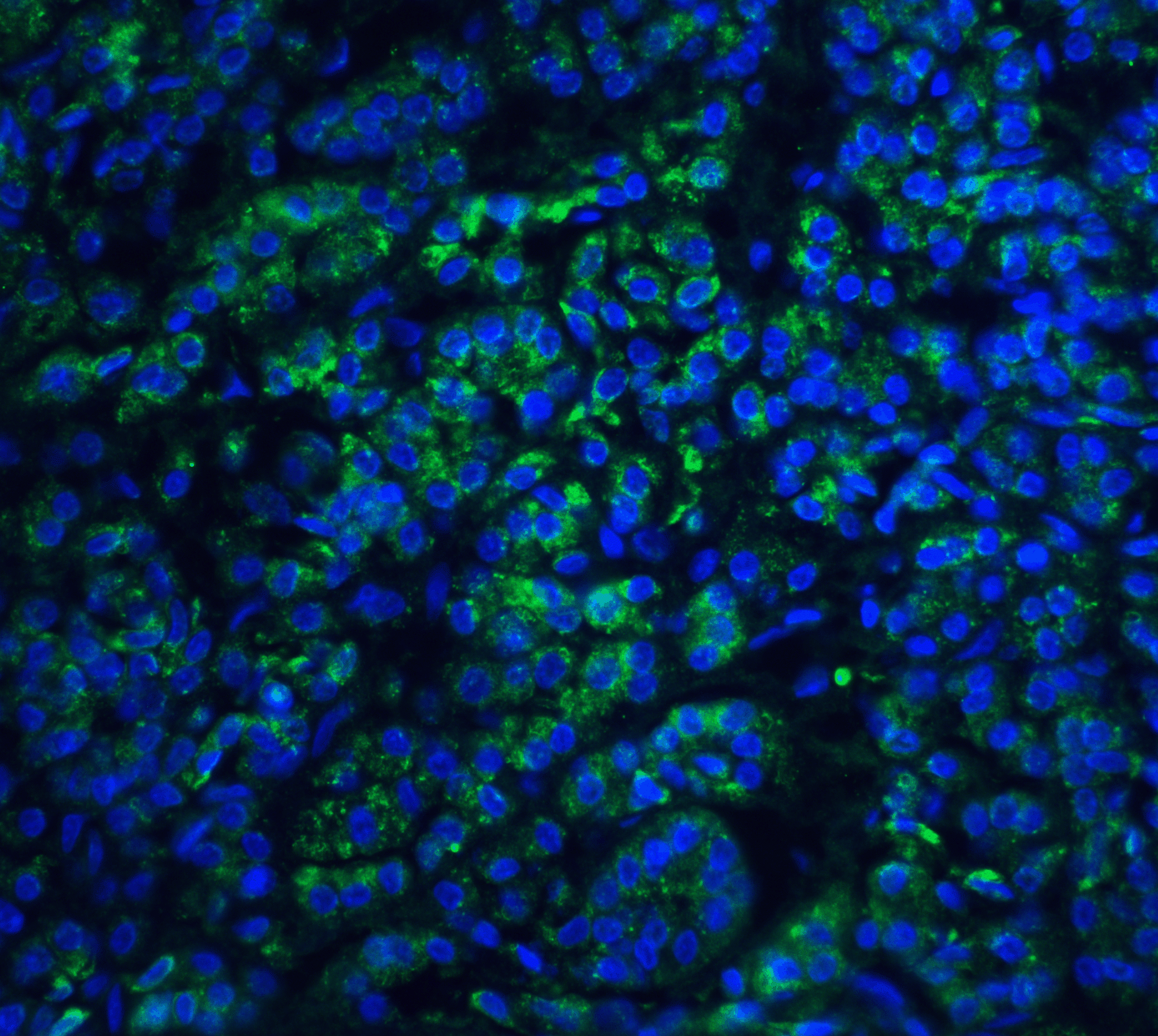
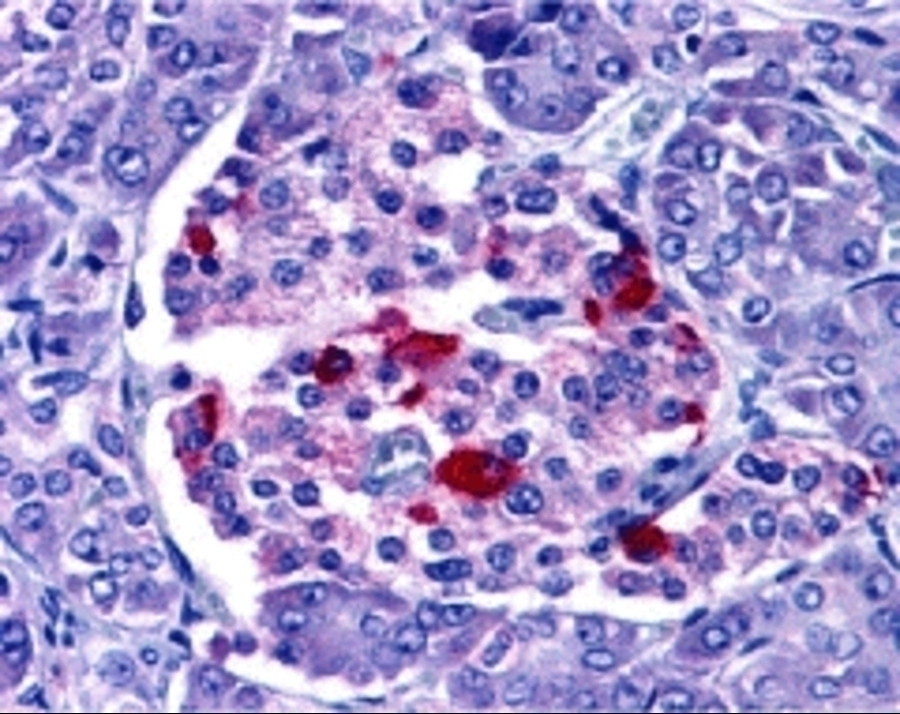
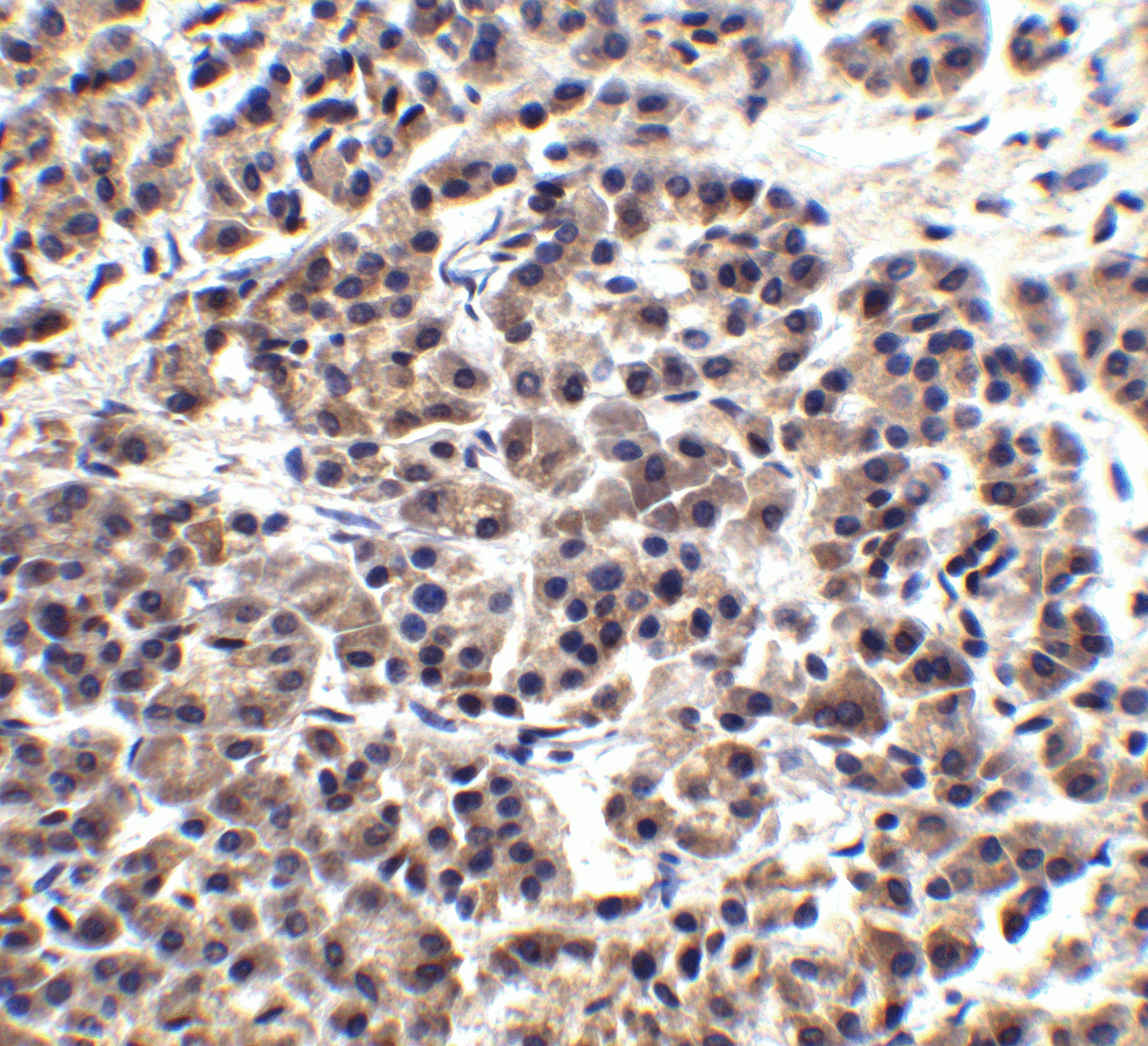
WB: 0.5-2 μg/mL; IF: 20 μg/mL; IHC: 2.5-15 μg/mL.
Antibody validated: Western Blot in human and mouse samples; Immunofluorescence and Immunohistochemistry in human samples. All other applications and species not yet tested.
Positive Control 1:
Cat. No. 1211 - HepG2 Cell Lysate
Positive Control 2:
Cat. No. 1212 - 3T3 Cell Lysate
Positive Control 3:
Cat. No. 1307 - Human Pancreas Tissue Lysate
Positive Control 4:
Cat. No. 11-101 - Human Pancreas Tissue Slide
Predicted Molecular Weight:
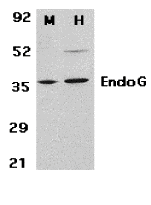
Predicted: 33kD
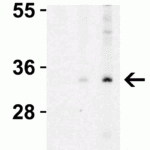
Observed: 33kD
Validation:

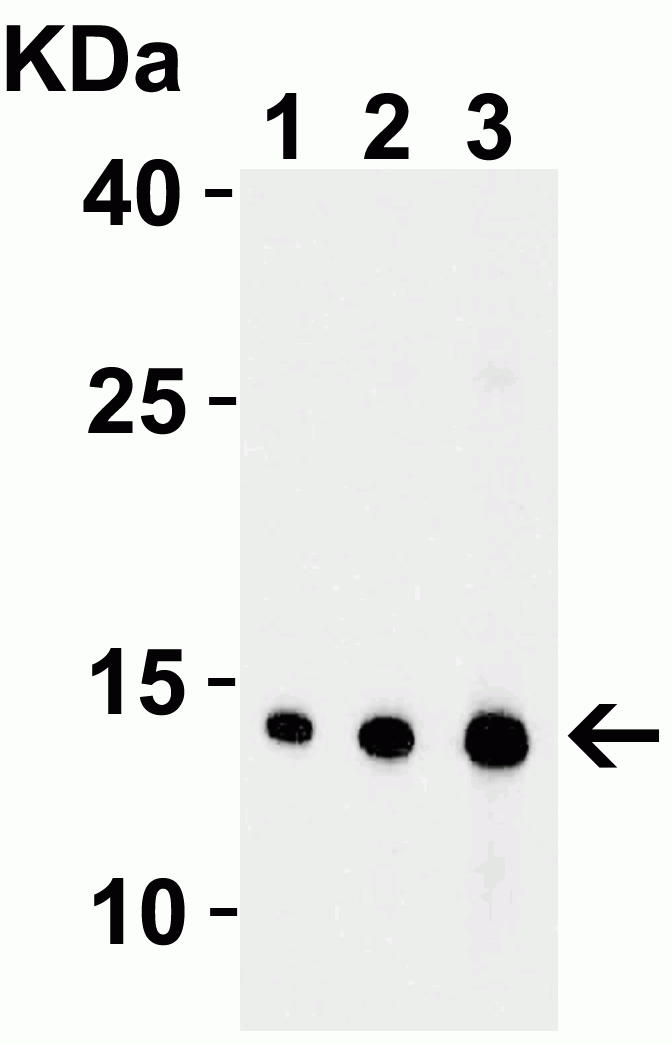
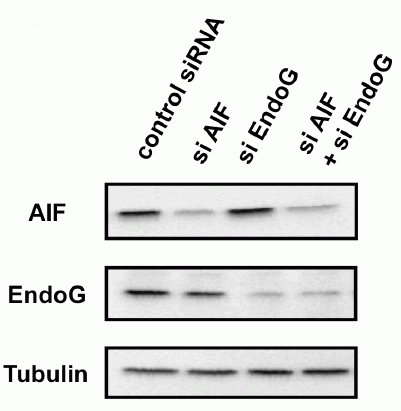
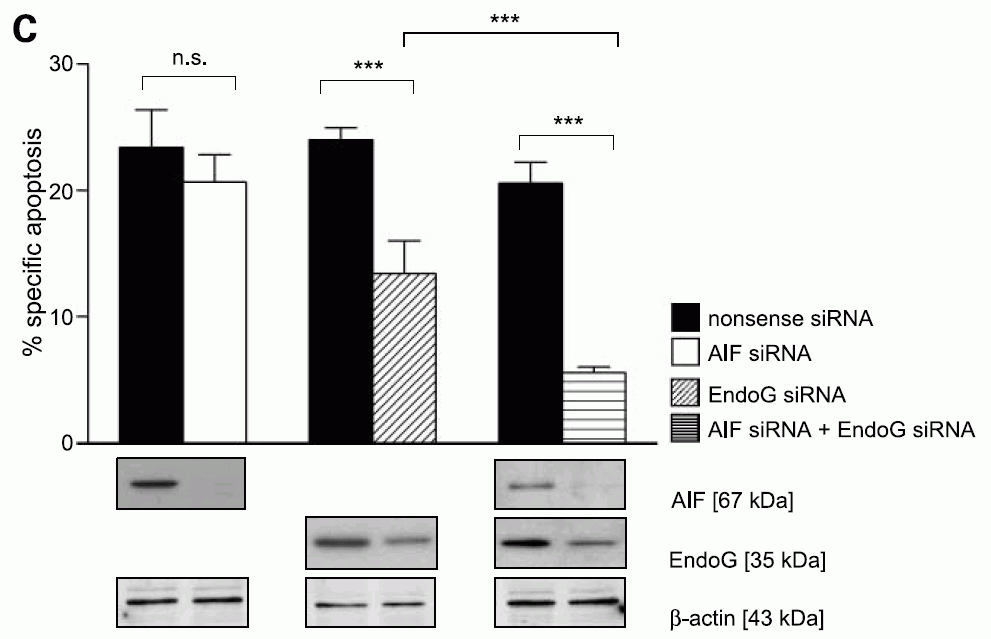
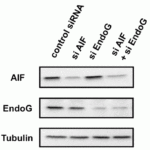
KD validation (Figure 13, 14): Anti-EndoG antibody (3035) specificity was further verified by EndoG specific knockdown. EndoG signal in human cancer cell lines transfected with EndoG siRNAs was disrupted in comparison with that in cells transfected with control siRNAs.

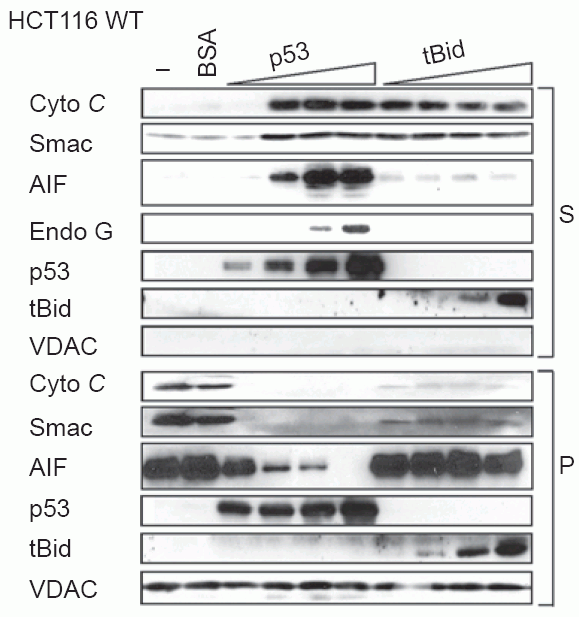
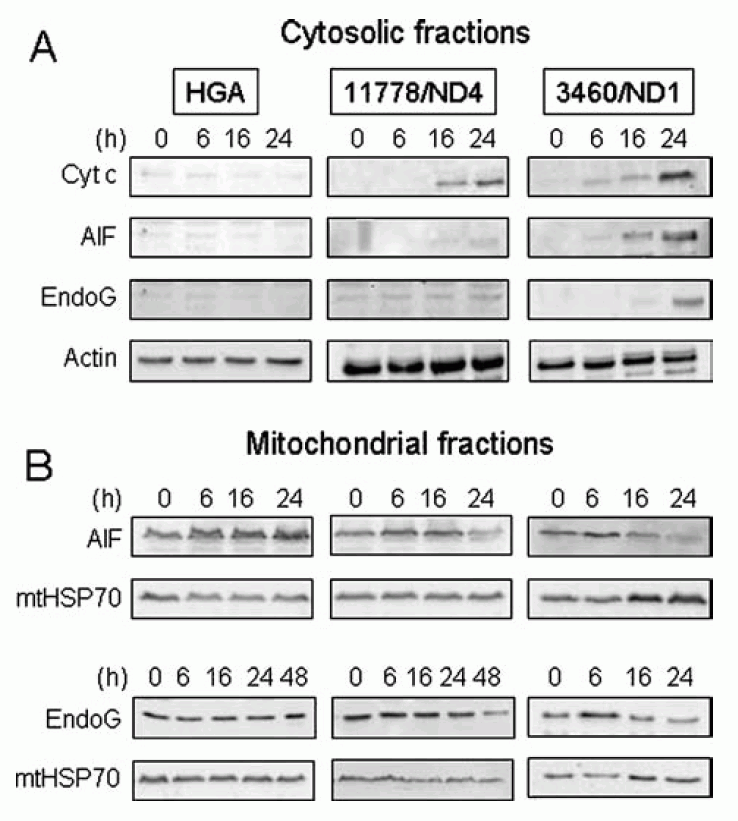
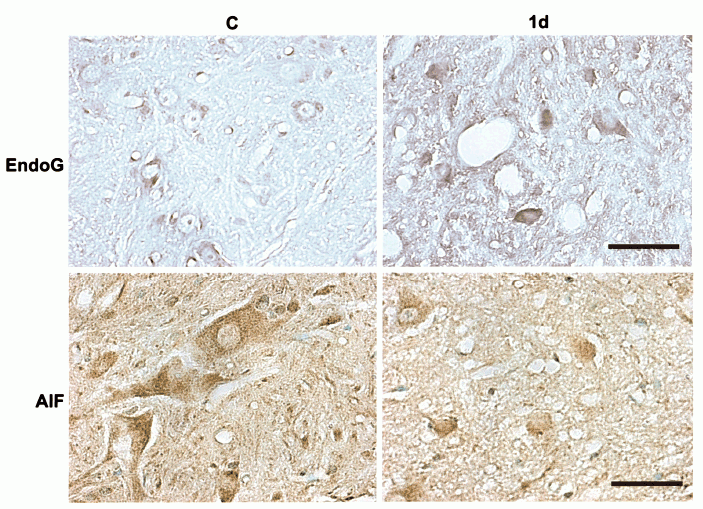
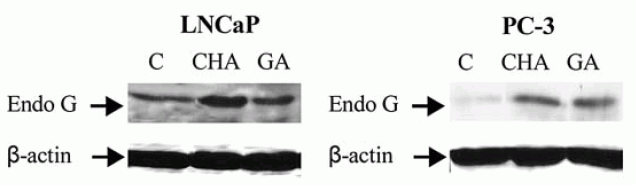
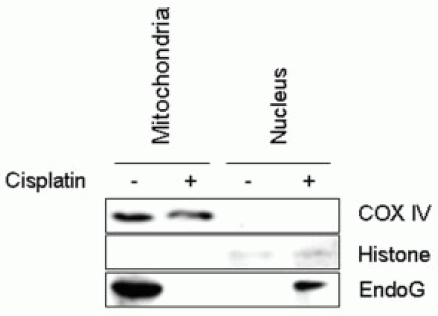
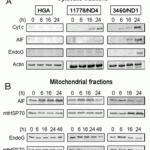
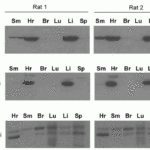
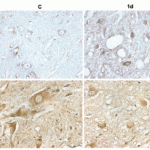
Localization validation (Figure 7, 8, 10, 11): EndoG translocation was observed in different cell lines and tissues after treatment. From mitochondria to cytoplasm: figure 7 and figure 8. From cytosol to nucleus: figure 10 and figure 11.

Isoforms:
Human EndoG has only one isoform (297aa, 33kD). Mouse EndoG has one isoform (294aa, 32kD) and Rat EndoG also has one isoform (294aa, 32kD). 3035 can detect human, mouse and rat isoform.
Purification:
EndoG Antibody is affinity chromatography purified via peptide column.
Clonality:
Polyclonal
Isotype:
IgG
physical-state:
Liquid
Buffer:
EndoG Antibody is supplied in PBS containing 0.02% sodium azide.
Concentration:
1 mg/mL
Storage Conditions:
EndoG antibody can be stored at 4°C up to one year. Antibodies should not be exposed to prolonged high temperatures.
Ncbi Official Symbol:
ENDOG
Additional Names:
EndoG Antibody: Endonuclease G, mitochondrial, Endo G
Protein Accession Number:
NP_004426
Protein Gi Number:
53759134
Ncbi Gene Id Number:
2021
User Note:
Optimal dilutions for each application to be determined by the researcher.
Background:
EndoG Antibody: The fragmentation of nuclear DNA is a hallmark of apoptotic cell death. The activities of caspase and nuclease are involved in the DNA fragmentation. Caspase-activated deoxyribonuclease (CAD), also termed DNA fragmentation factor (DFF40), is one such nuclease, and is capable of inducing DNA fragmentation and chromatin condensation after cleavage by caspase-3 of its inhibitor ICAD/DFF45. Caspase and CAD independent DNA fragmentation also exists. Recent studies demonstrated that another nuclease, endonuclease G (endoG), is specifically activated by apoptotic stimuli and is able to induce nucleosomal fragmentation of DNA independently of caspase and DFF/CAD. EndoG is a mitochondrion-specific nuclease that translocates to the nucleus and cleaves chromatin DNA during apoptosis. The homologue of mammalian EndoG is the first mitochondrial protein identified to be involved in apoptosis in C. elegans. EndooG also cleaves DNA in vitro.
Background Reference 1:
Li et al. Nature 2001;412(6842):95-9.
Background Reference 2:
Parrish et al. Nature 2001;412(6842):90-4.
Background Reference 3:
Hengartner. Nature. 2001;412(6842):27, 29.
Background Reference 4:
Widlak et al. J Biol Chem. 2001;276(51):48404-9.
Citation 1:
Wolff et al. p53's mitochondrial translocation and MOMP action is independent of Puma and Bax and severely disrupts mitochondrial membrane integrity. Cell Res. 2008;18(7):733-44. PMID: 18504456
Citation 2:
Zanna et al. Caspase-independent death of Leber's hereditary optic neuropathy cybrids is driven by energetic failure and mediated by AIF and Endonuclease G. Apoptosis. 2005;10(5):997-1007.PMID: 16151635
Citation 3:
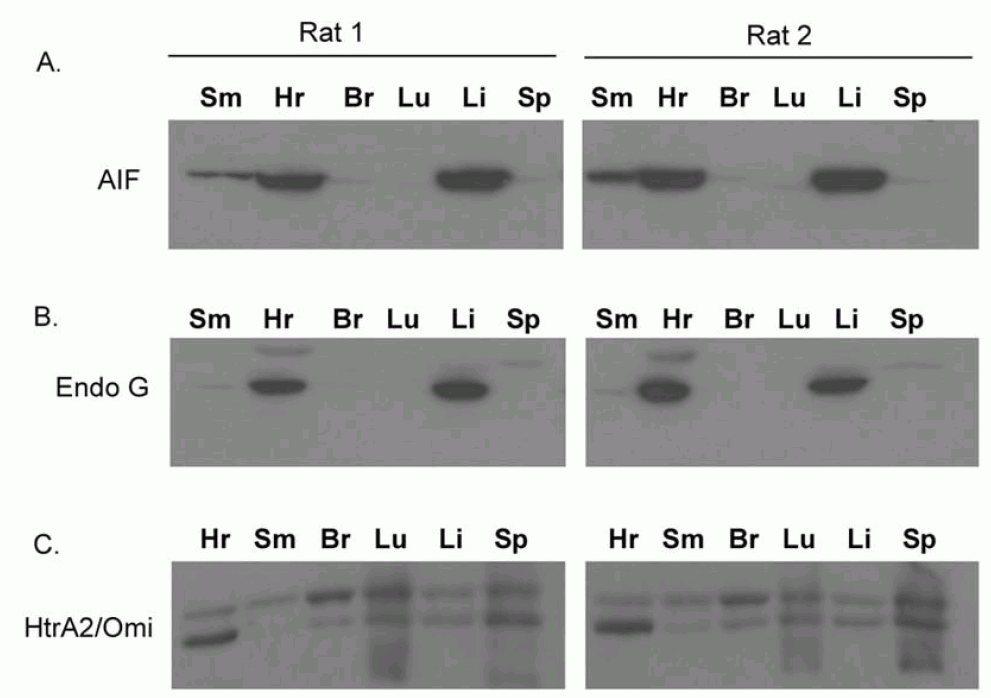
Siu et al. Response of caspase-independent apoptotic factors to high salt diet-induced heart failure. J Mol Cell Cardiol. 2007;42(3):678-86.PMID: 17292393
Citation 4:
Yu et al. Overexpression of SOD1 in transgenic rats attenuates nuclear translocation of endonuclease G and apoptosis after spinal cord injury. J Neurotrauma. 2006;23(5):595-603. PMID: 16689664. PMID: 16689664
Citation 5:
Reddivari et al. The bioactive compounds alpha-chaconine and gallic acid in potato extracts decrease survival and induce apoptosis in LNCaP and PC3 prostate cancer cells. Nutr Cancer. 2010;62(5):601-10. PMID: 20574921
Citation 6:
Kim et al. Reactive oxygen species-dependent EndoG release mediates cisplatin-induced caspase-independent apoptosis in human head and neck squamous carcinoma cells. Int J Cancer. 2008;122(3):672-80. PMID: 17955488
Citation 7:
Sasazawa et al. Vacuolar H+-ATPase inhibitors overcome Bcl-xL-mediated chemoresistance through restoration of a caspase-independent apoptotic pathway. Cancer Sci. 2009;100(8):1460-7.PMID: 19459857
Citation 8:
Schneiders et al. BH3-only proteins Mcl-1 and Bim as well as endonuclease G are targeted in spongistatin 1-induced apoptosis in breast cancer cells. Mol Cancer Ther. 2009;8(10):2914-25. PMID: 19808980
Citation 9:
Liu et al. Activation of dual apoptotic pathways in human melanocytes and protection by survivin. J Invest Dermatol. 2006;126(10):2247-56. PMID: 16728972
Citation 10:
Cozzolino et al. Apaf1 mediates apoptosis and mitochondrial damage induced by mutant human SOD1s typical of familial amyotrophic lateral sclerosis. Neurobiol Dis. 2006;21(1):69-79.PMID: 16046141
Citation 11:
Ory et al. Zoledronic acid activates the DNA S-phase checkpoint and induces osteosarcoma cell death characterized by apoptosis-inducing factor and endonuclease-G translocation independently of p53 and retinoblastoma status. Mol Pharmacol. 2007;71(1):333-43. PMID: 17050806
Citation 12:
Du et al. Resveratrol prevents protein nitration and release of endonucleases from mitochondria during acetaminophen hepatotoxicity. Food Chem Toxicol. 2015;81:62-70. PMID: 25865938
Citation 13:
Gozar et al. Dz13, a DNAzyme targeting c-jun, induces off-target cytotoxicity in endothelial cells with features of nonapoptotic programmed cell death. Oligonucleotides. 2008;18(3):257-68. PMID: 18699742
Citation 14:
Lartigue et al. Caspase-independent mitochondrial cell death results from loss of respiration, not cytotoxic protein release. Mol Biol Cell. 2009;20(23):4871-84. PMID: 19793916
Citation 15:
Boyle et al. Cardiomyopathy of aging in the mammalian heart is characterized by myocardial hypertrophy, fibrosis and a predisposition towards cardiomyocyte apoptosis and autophagy. Exp Gerontol. 2011;46(7):549-59. PMID: 21377520
Citation 16:
Chien et al. Unexpected cross-reactivity of anti-cathepsin B antibodies leads to uncertainties regarding the mechanism of action of anti-CD20 monoclonal antibody GA101. Leuk Res. 2017;55:41-48. PMID: 28122282

FOR RESEARCH USE ONLY

For additional information, visit ProSci’s Terms & Conditions Page.

Disclaimer:
Optimal dilutions/concentrations should be determined by the end user. The information provided is a guideline for product use. This product is for research use only.

CATALOG NUMBER:

3035

List Size:
0.02 mg, 0.1 mg

List Price:

Price range: $99.00 through $445.00

Shipping Info
Customize your order
Custom Antibody Services

New & Featured Products

CATALOG NUMBER: PM-7369-HRP

CATALOG NUMBER: PM-7369-biotin

CATALOG NUMBER: PM-7369