Background:
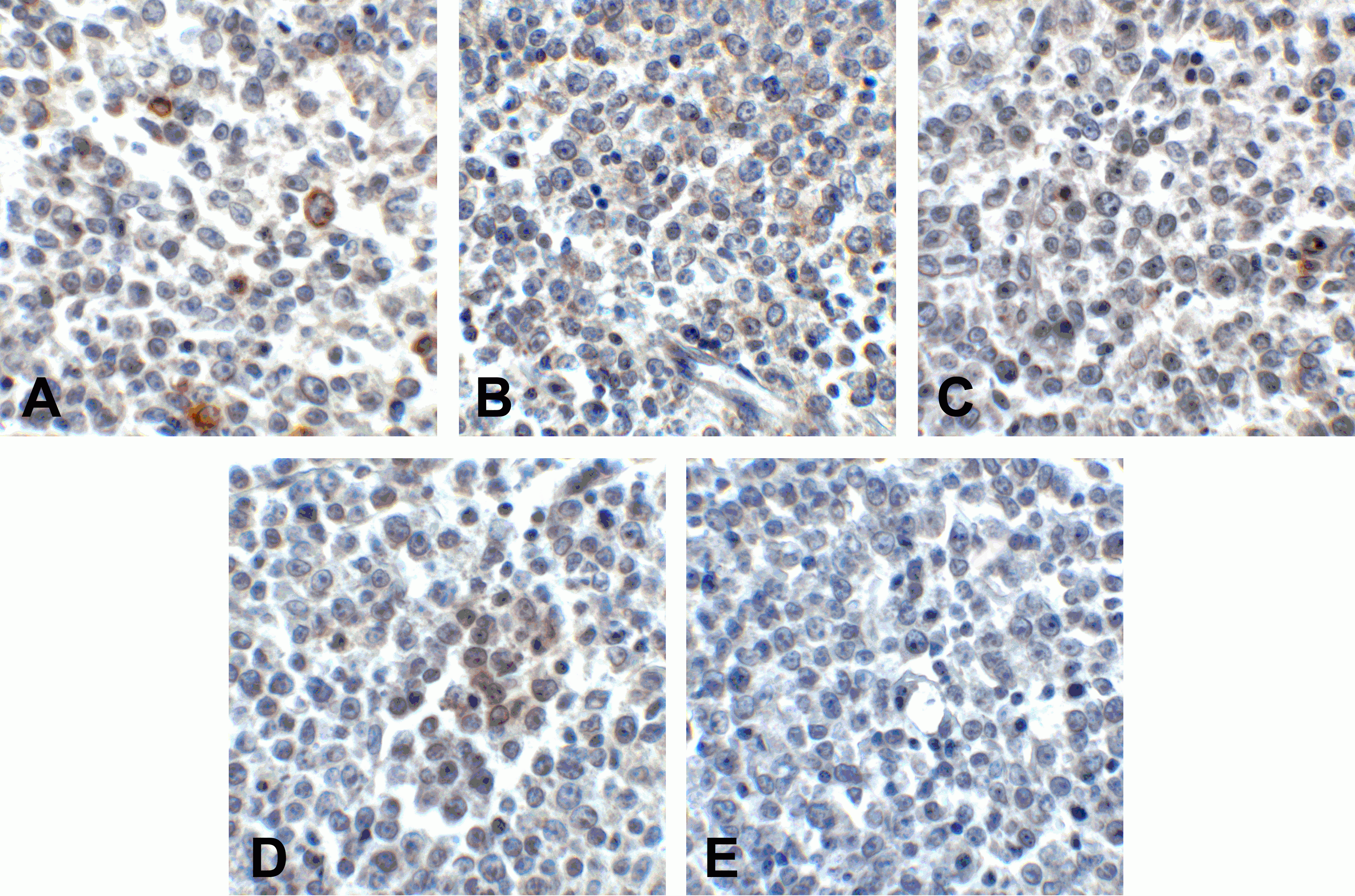
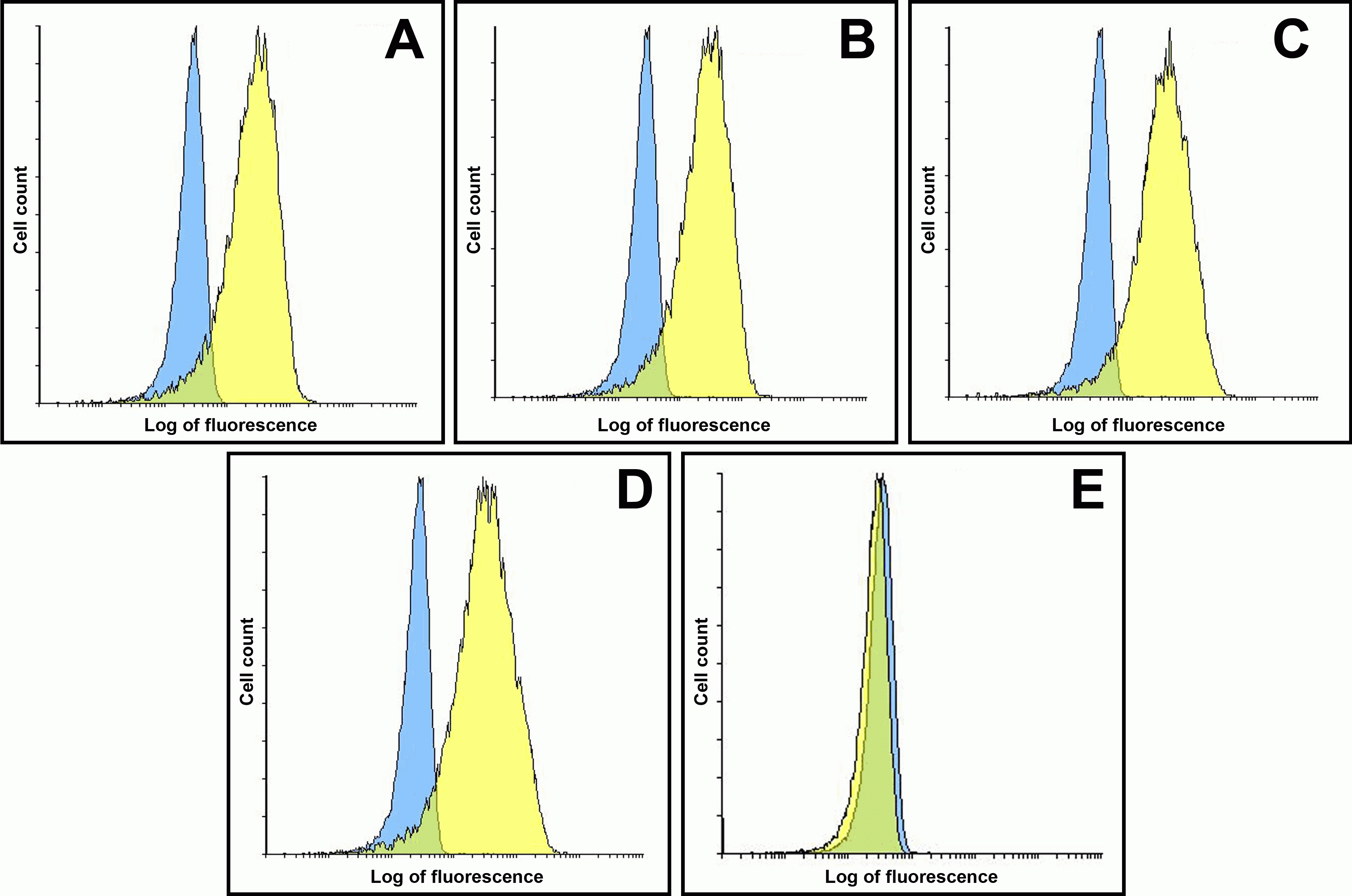
LIGHT Antibody: LIGHT, also known as Tumor Necrosis Factor Superfamily member 14 (TNFSF14), is a co-stimulatory molecule that can regulate T-cell activation (1) and has recently been identified as an immune checkpoint protein. LIGHT binds to two different receptors, Herpes Virus Entry Mediator (HVEM) and Lymphotoxin beta Receptor (LTβR). While LIGHT binding to HVEM delivers a co-stimulatory signal to T cells (1), LIGHT binding to LTβR is critical for the formation of lymphoid structures which can stimulate T cell infiltration and activation of a tumor microenvironment, leading to rapid T cell-mediated tissue destruction (2). It has been shown that targeted delivery of LIGHT to tumors, thereby causing the T cell infiltration of the tumor, can enhance the response of the PD-1/PD-L1 checkpoint blockade anti-cancer therapy (3), suggesting that LIGHT may become a potent tool in anti-cancer treatment.ProSci's Risk-FreeTM antibodies are mouse monoclonal antibodies made to improve in vivo studies. Unlike antibodies developed using proteins made in yeast or bacteria, Risk-FreeTM antibodies are developed with antigens expressed in mammalian cell lines, giving the most native post-translational modifications to the protein. Validated for flow cytometry and ELISA Rigorously tested for the following applications: Immunoblot Immunohistochemistry Immunocytochemistry Immunofluorescence Multiple antibodies per target allowing the user to choose the best antibody for their application Available individually or as a set Risk-FreeTM means they are guaranteed to work for their approved applications

![HIV-1 p24 Antibody [9D2F6] (HRP)](https://www.prosciantibodies.com/wp-content/uploads/2023/04/HIV-1-p24-Antibody-9D2F6_WB_PM-7369-139x300.gif)
![HIV-1 p24 Antibody [9D2F6] (biotin)](https://www.prosciantibodies.com/wp-content/uploads/2023/01/HIV-1-p24-Antibody-9D2F6_WB_PM-7369.gif)
![HIV-1 p24 Antibody [9D2F6]](https://www.prosciantibodies.com/wp-content/uploads/2022/09/HIV-1-p24-Antibody-9D2F6_WB_PM-7369-139x300.gif)