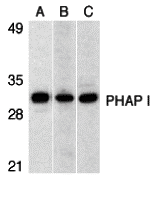
Figure 1 Western Blot Validation in (A) Human Raji Cells , (B) Mouse testis tissue lysate and (C) Rat testis tissue lysate Loading: 15 μg of lysates per lane.Antibodies: PHAP I 3151 (1 μg/mL), 1h incubation at RT in 5% NFDM/TBST.Secondary: Goat anti-rabbit IgG HRP conjugate at 1:10000 dilution.
IAV
Trial Size
PHAP I Antibody
CATALOG NUMBER: 3151
Clonality:
Polyclonal
Tested Applications:
ELISA, IF, IHC-P, WB
Host Species:
Rabbit
Species Reactivity:
Human, Mouse, Rat
Conjugate:
Unconjugated
Specifications
Host Species:
Rabbit
Species Reactivity:
Human, Mouse, Rat
Homology:
Predicted species reactivity based on immunogen sequence: Bovine: (85%)
Immunogen:
Anti-PHAP I antibody (3151) was raised against a peptide corresponding to 14 amino acids near the carboxy terminus of human PHAP I . The immunogen is located within the last 50 amino acids of PHAP I.
Conjugate:
Unconjugated
Tested Applications:
ELISA, IF, IHC-P, WB
Application Note:
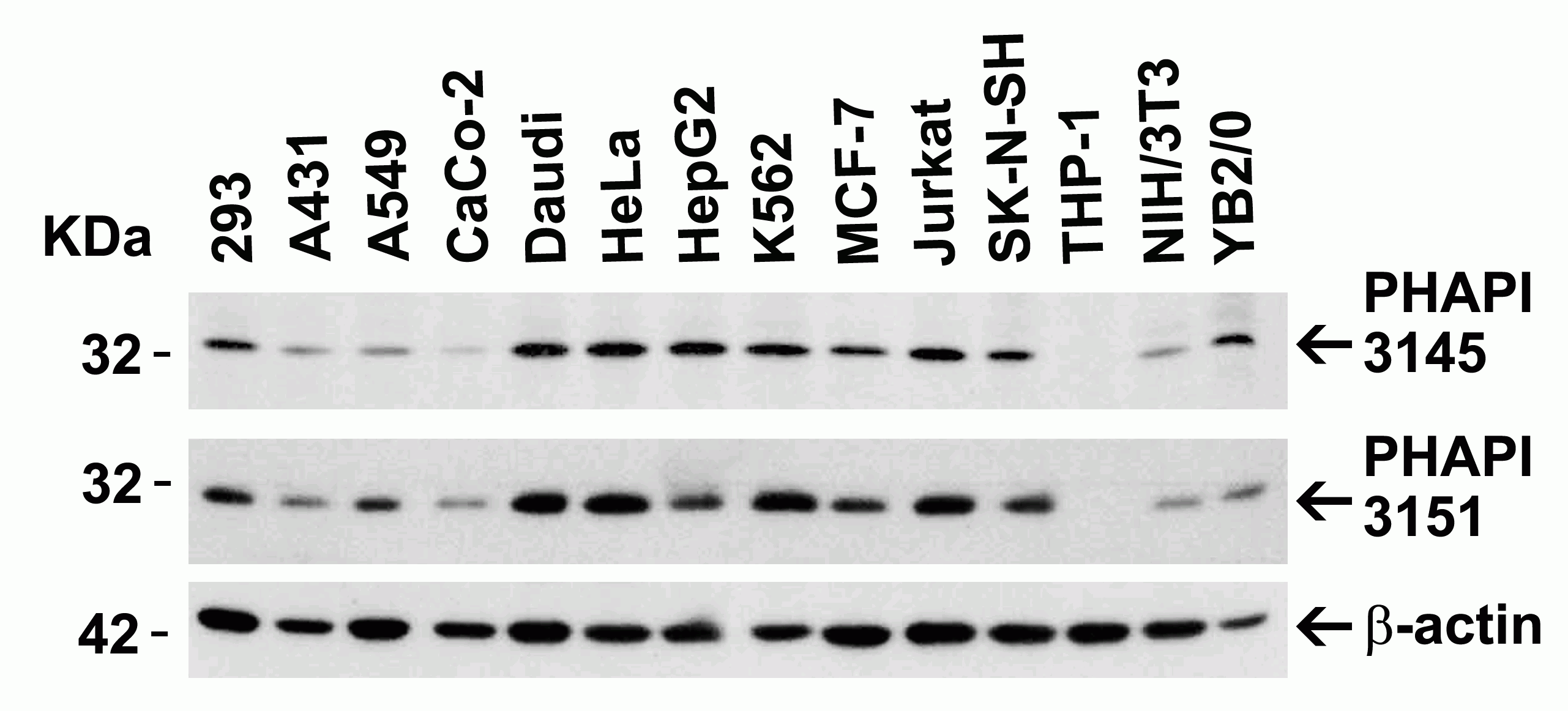
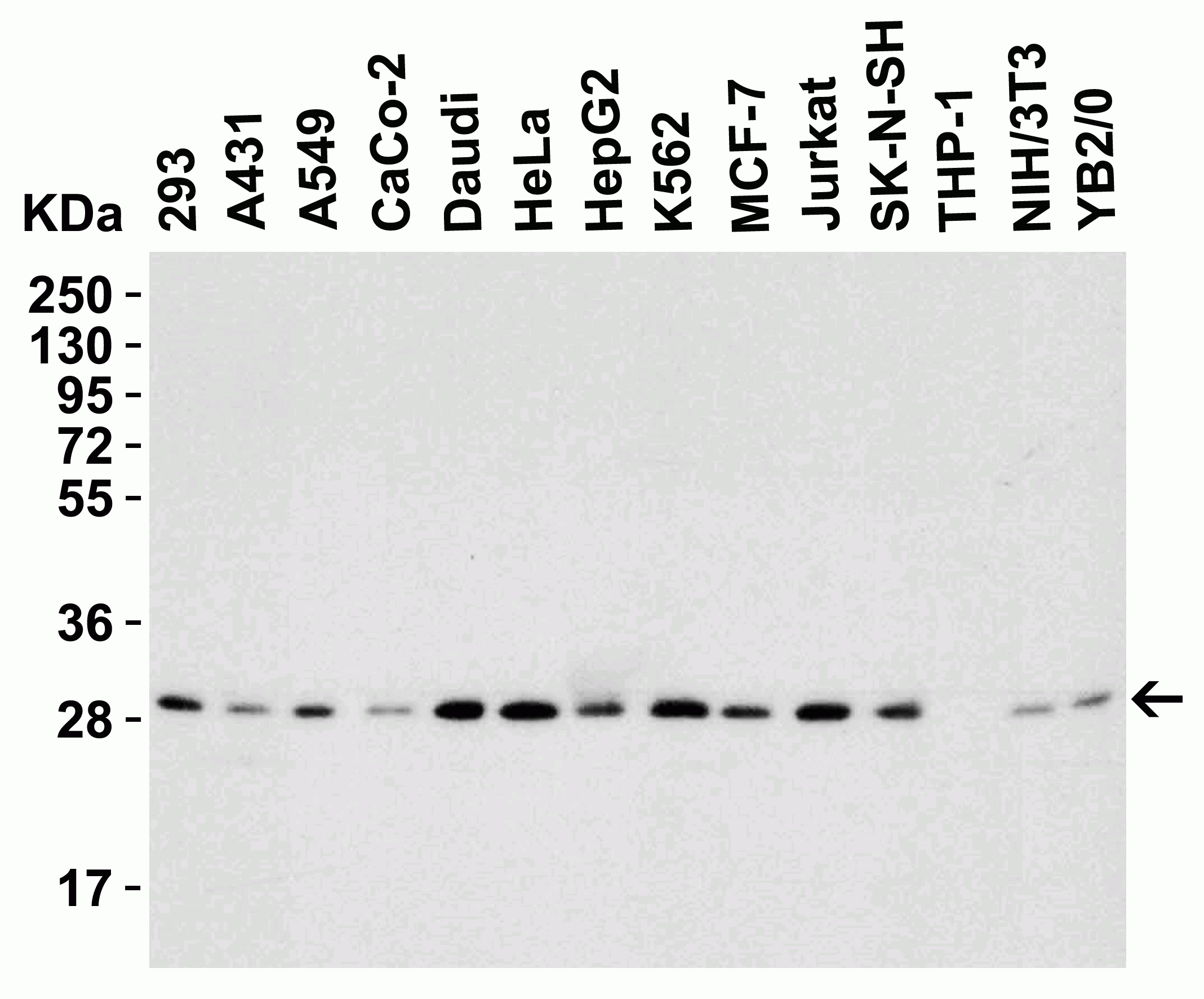
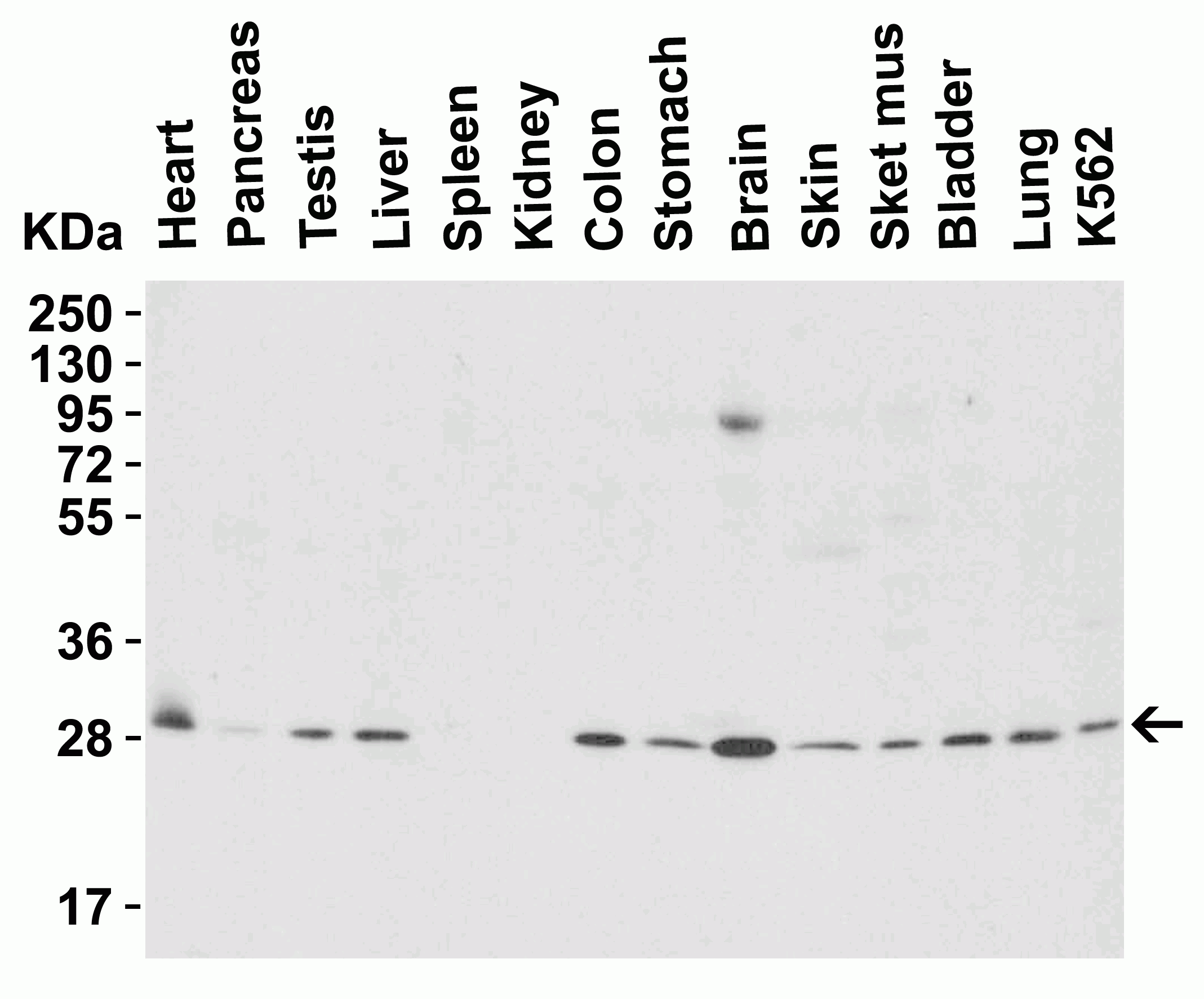
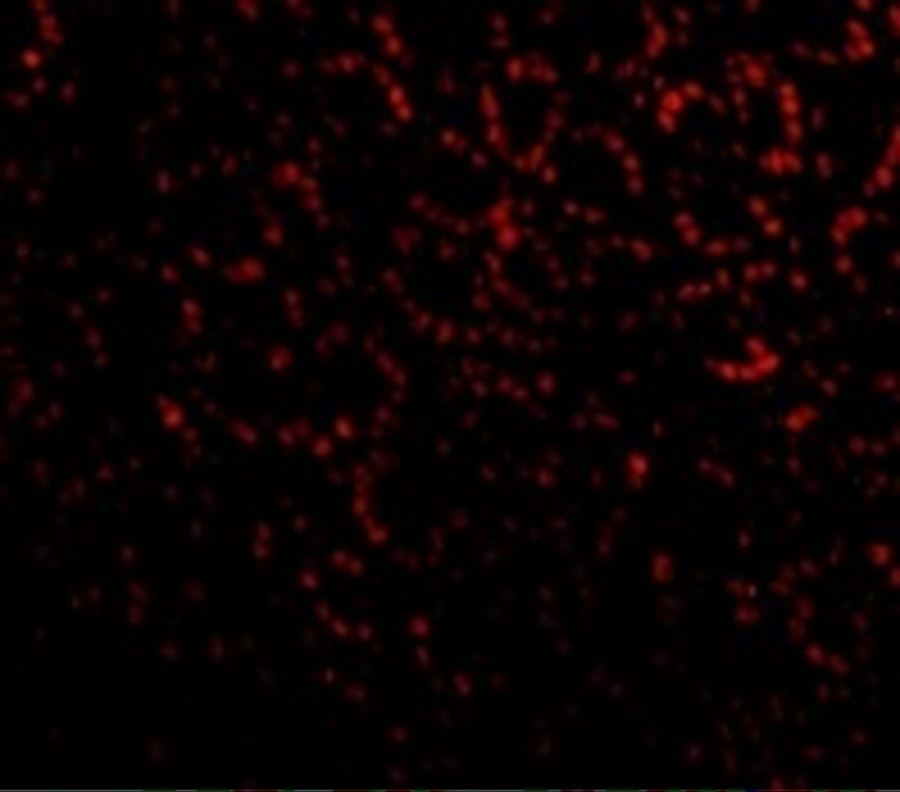
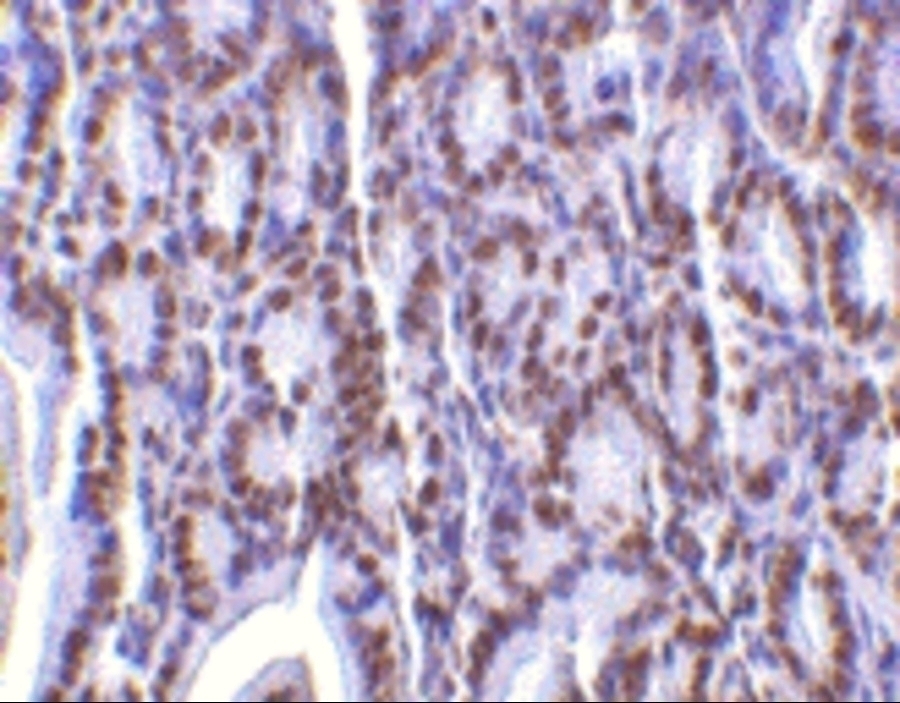
WB: 1 μg/mL; IHC: 2 μg/mL; IF: 20 μg/mL. Antibody validated: Western Blot in human, mouse and rat samples; Immunohistochemistry in mouse samples; Immunofluorescence in mouse samples. All other applications and species not yet tested.
Specificity:
This polyclonal antibody has no cross-reaction to PHAP I2a and PHAP III.
Positive Control 1:
Cat. No. 1207 - Raji Cell Lysate
Positive Control 2:
Cat. No. 1416 - Mouse Testis Tissue Lysate
Positive Control 3:
Cat. No. 1476 - Rat Testis Tissue Lysate
Positive Control 4:
Cat. No. 1408 - Mouse Small Intestine Tissue Lysate
Predicted Molecular Weight:
Predicted: 29kD Observed: 29 kD
Advanced Validation
Properties
Purification:
PHAP I Antibody is DEAE purified.
Clonality:
Polyclonal
Isotype:
IgG
physical-state:
Liquid
Buffer:
PHAP I Antibody is supplied in PBS containing 0.02% sodium azide.
Concentration:
1 mg/mL
Storage Conditions:
PHAP I antibody can be stored at 4°C up to one year. Antibodies should not be exposed to prolonged high temperatures.
Additional Info
Ncbi Official Symbol:
ANP32A
Additional Names:
PHAP I Antibody: LANP, MAPM, PP32, HPPCn, PHAP1, PHAPI, I1PP2A, C15orf1, LANP, Acidic leucine-rich nuclear phosphoprotein 32 family member A, Acidic nuclear phosphoprotein pp32
Protein Accession Number:
P39687
Protein Gi Number:
730318
Ncbi Gene Id Number:
8125
User Note:
Optimal dilutions for each application to be determined by the researcher.
Background
Background:
PHAP I Antibody: Apoptosis is related to many diseases and development. Caspase-9 plays a central role in cell death induced by a variety of apoptosis activators. Cytochrome c, after released from mitochondria, binds to Apaf-1, which forms an apoptosome that in turn binds to and activate procaspase-9. Activated caspase-9 cleaves and activates the effector caspases (caspase-3, -6 and -7), which are responsible for the proteolytic cleavage of many key proteins in apoptosis. The tumor suppressor putative HLA-DR-associated proteins (PHAPs) were recently identified as important regulators of mitochondrion apoptosis. PHAP appears to facilitate apoptosome-medicated caspase-9 activation and to stimulate the mitochondrial apoptotic pathway. PHAP was also shown to oppose both Ras- and Myc-medicated cell transformation.
Background Reference 1:
Jiang et al. Science. 2003;299(5604):223-6.
Background Reference 2:
Nicholson and Thornberry. Science. 2003 10;299(5604):214-5.
Citations
Citation 1:
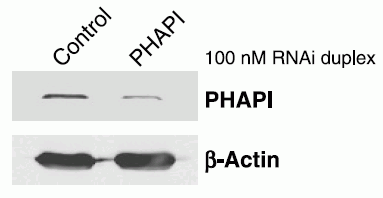
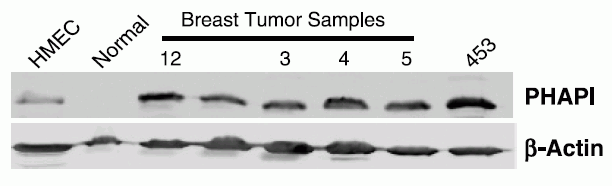
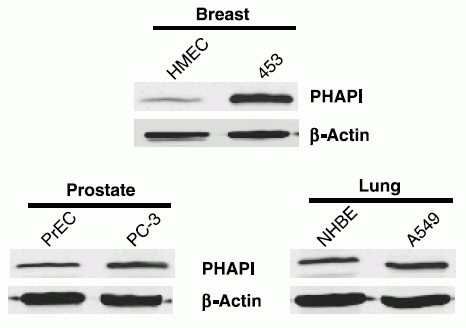
Schafer et al. Enhanced sensitivity to cytochrome c-induced apoptosis mediated by PHAPI in breast cancer cells. Cancer Res. 2006;66(4):2210-8. PMID: 16489023
Citation 2:
Kurokawa et al. A network of substrates of the E3 ubiquitin ligases MDM2 and HUWE1 control apoptosis independently of p53. Sci Signal. 2013;6(274):ra32. PMID: 23652204
Citation 3:
Parrish. Regulation of Apoptosis Following Mitochondrial Cytochrome c Release. Department of Pharmacology and Molecular Cancer Biology, Duke University. PhD Thesis, 2010.
Optimal dilutions/concentrations should be determined by the end user. The information provided is a guideline for product use. This product is for research use only.
We use cookies on our website to give you the most relevant experience by remembering your preferences and repeat visits. By clicking “Accept”, you consent to the use of cookies.
This website uses cookies to improve your experience while you navigate through the website. Out of these, the cookies that are categorized as necessary are stored on your browser as they are essential for the working of basic functionalities of the website. We also use third-party cookies that help us analyze and understand how you use this website. These cookies will be stored in your browser only with your consent. You also have the option to opt-out of these cookies. But opting out of some of these cookies may affect your browsing experience.
Necessary cookies are absolutely essential for the website to function properly. These cookies ensure basic functionalities and security features of the website, anonymously.
Cookie
Duration
Description
cookielawinfo-checbox-analytics
11 months
This cookie is set by GDPR Cookie Consent plugin. The cookie is used to store the user consent for the cookies in the category "Analytics".
cookielawinfo-checbox-functional
11 months
The cookie is set by GDPR cookie consent to record the user consent for the cookies in the category "Functional".
cookielawinfo-checbox-others
11 months
This cookie is set by GDPR Cookie Consent plugin. The cookie is used to store the user consent for the cookies in the category "Other.
cookielawinfo-checkbox-necessary
11 months
This cookie is set by GDPR Cookie Consent plugin. The cookies is used to store the user consent for the cookies in the category "Necessary".
cookielawinfo-checkbox-performance
11 months
This cookie is set by GDPR Cookie Consent plugin. The cookie is used to store the user consent for the cookies in the category "Performance".
viewed_cookie_policy
11 months
The cookie is set by the GDPR Cookie Consent plugin and is used to store whether or not user has consented to the use of cookies. It does not store any personal data.
Functional cookies help to perform certain functionalities like sharing the content of the website on social media platforms, collect feedbacks, and other third-party features.
Performance cookies are used to understand and analyze the key performance indexes of the website which helps in delivering a better user experience for the visitors.
Analytical cookies are used to understand how visitors interact with the website. These cookies help provide information on metrics the number of visitors, bounce rate, traffic source, etc.
Advertisement cookies are used to provide visitors with relevant ads and marketing campaigns. These cookies track visitors across websites and collect information to provide customized ads.

![HIV-1 p24 Antibody [9D2F6] (HRP)](https://www.prosciantibodies.com/wp-content/uploads/2023/04/HIV-1-p24-Antibody-9D2F6_WB_PM-7369-139x300.gif)
![HIV-1 p24 Antibody [9D2F6] (biotin)](https://www.prosciantibodies.com/wp-content/uploads/2023/01/HIV-1-p24-Antibody-9D2F6_WB_PM-7369.gif)
![HIV-1 p24 Antibody [9D2F6]](https://www.prosciantibodies.com/wp-content/uploads/2022/09/HIV-1-p24-Antibody-9D2F6_WB_PM-7369-139x300.gif)