Trial Size

PION Antibody

CATALOG NUMBER: 6161

Clonality:
Polyclonal
Tested Applications:
ELISA, IF, IHC-P, WB
Host Species:
Rabbit
Species Reactivity:
Human, Mouse, Rat
Conjugate:
Unconjugated
Specifications
Host Species:
Rabbit
Species Reactivity:
Human, Mouse, Rat
Immunogen:
PION antibody was raised against a 19 amino acid synthetic peptide near the carboxy terminus of human PION.
The immunogen is located within amino acids 770 - 820 of PION.
Conjugate:
Unconjugated
Tested Applications:
ELISA, IF, IHC-P, WB
Application Note:
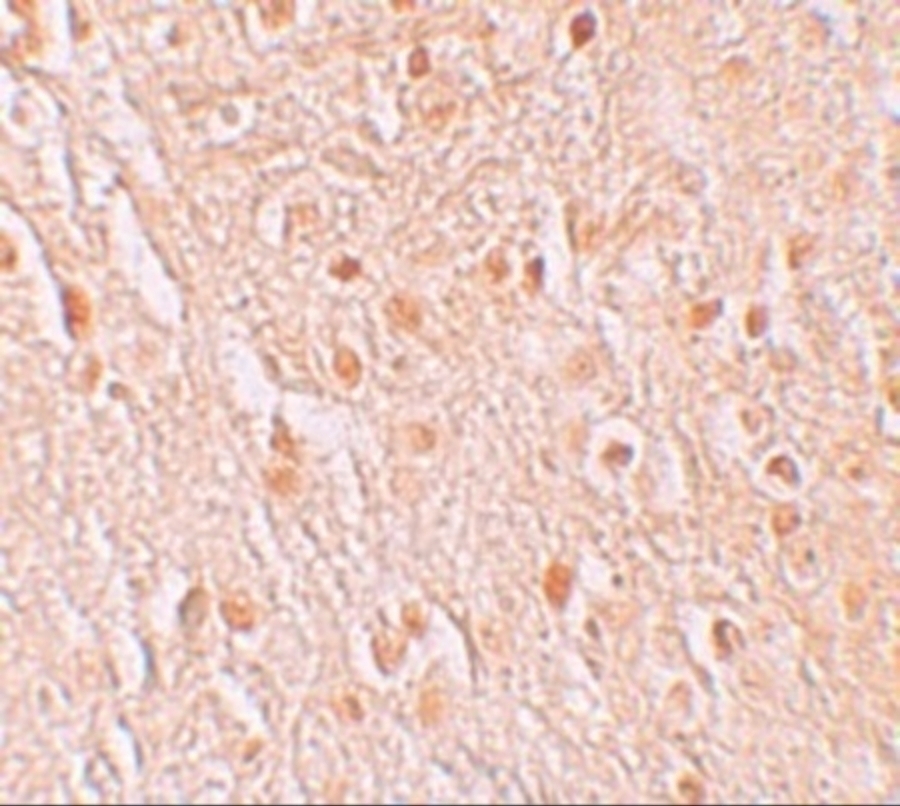
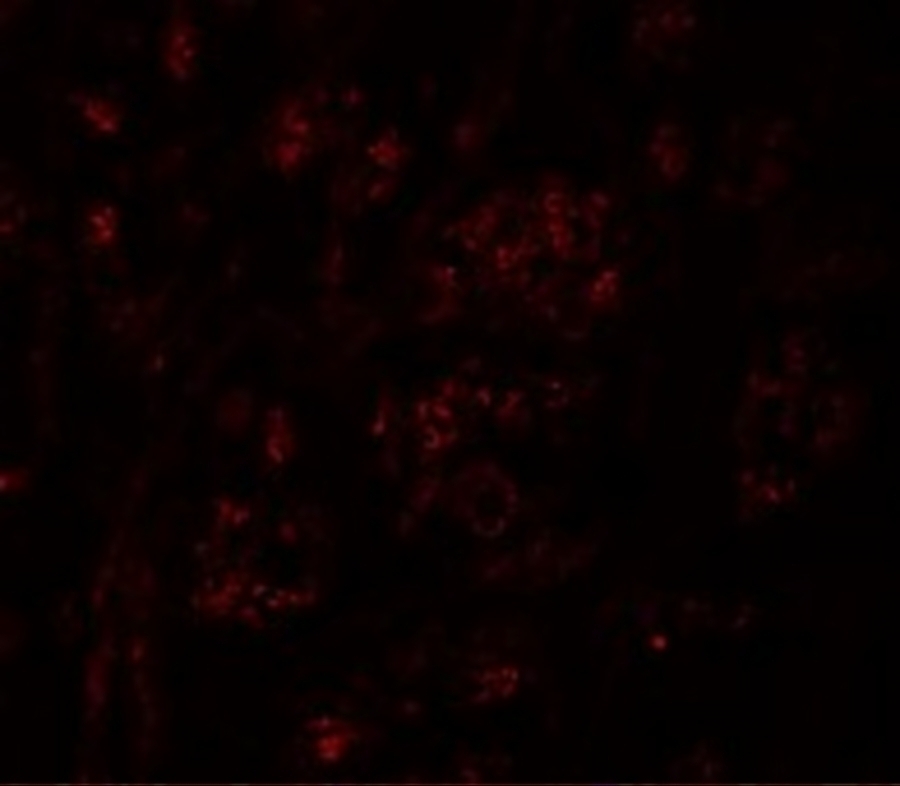
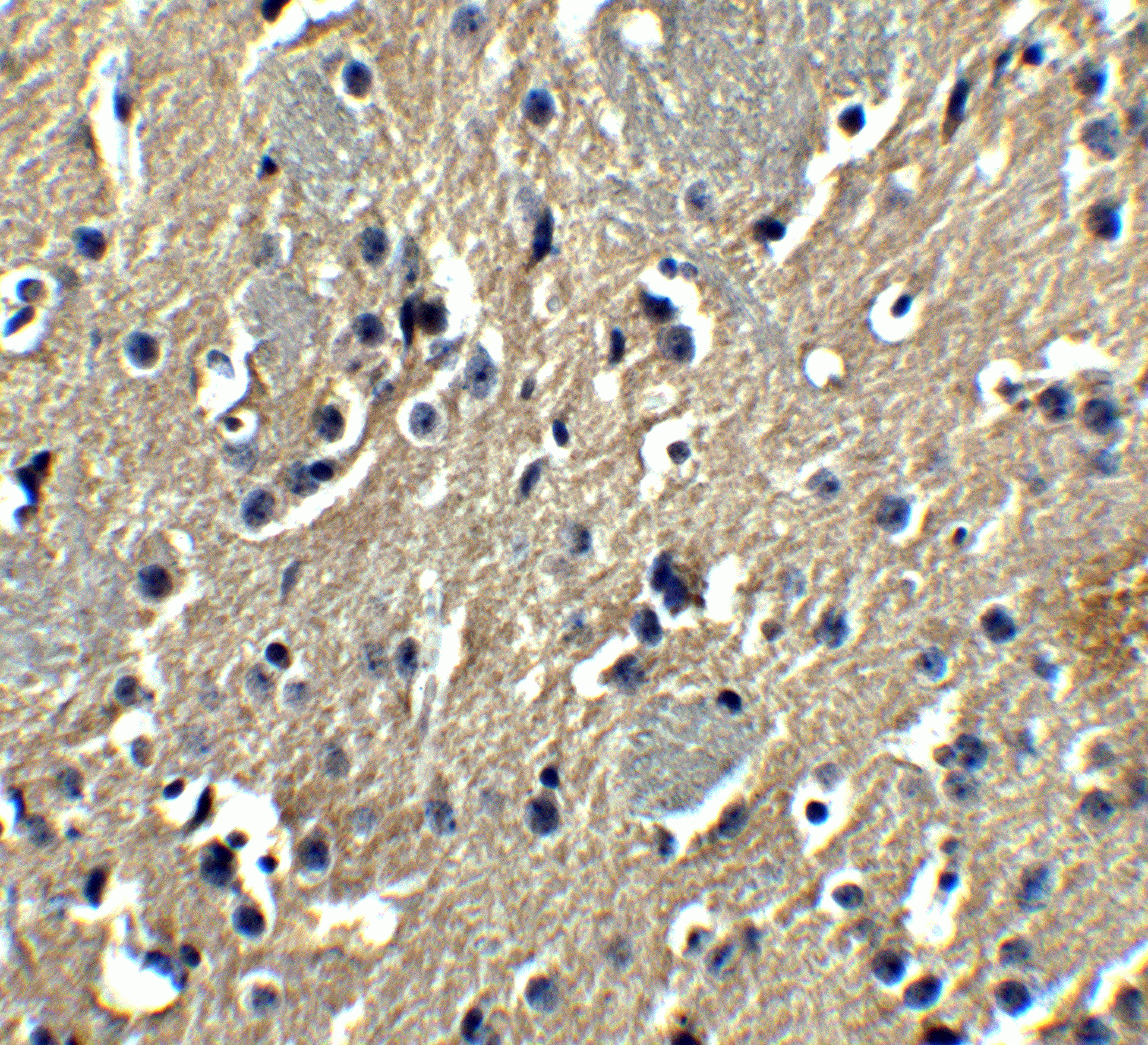
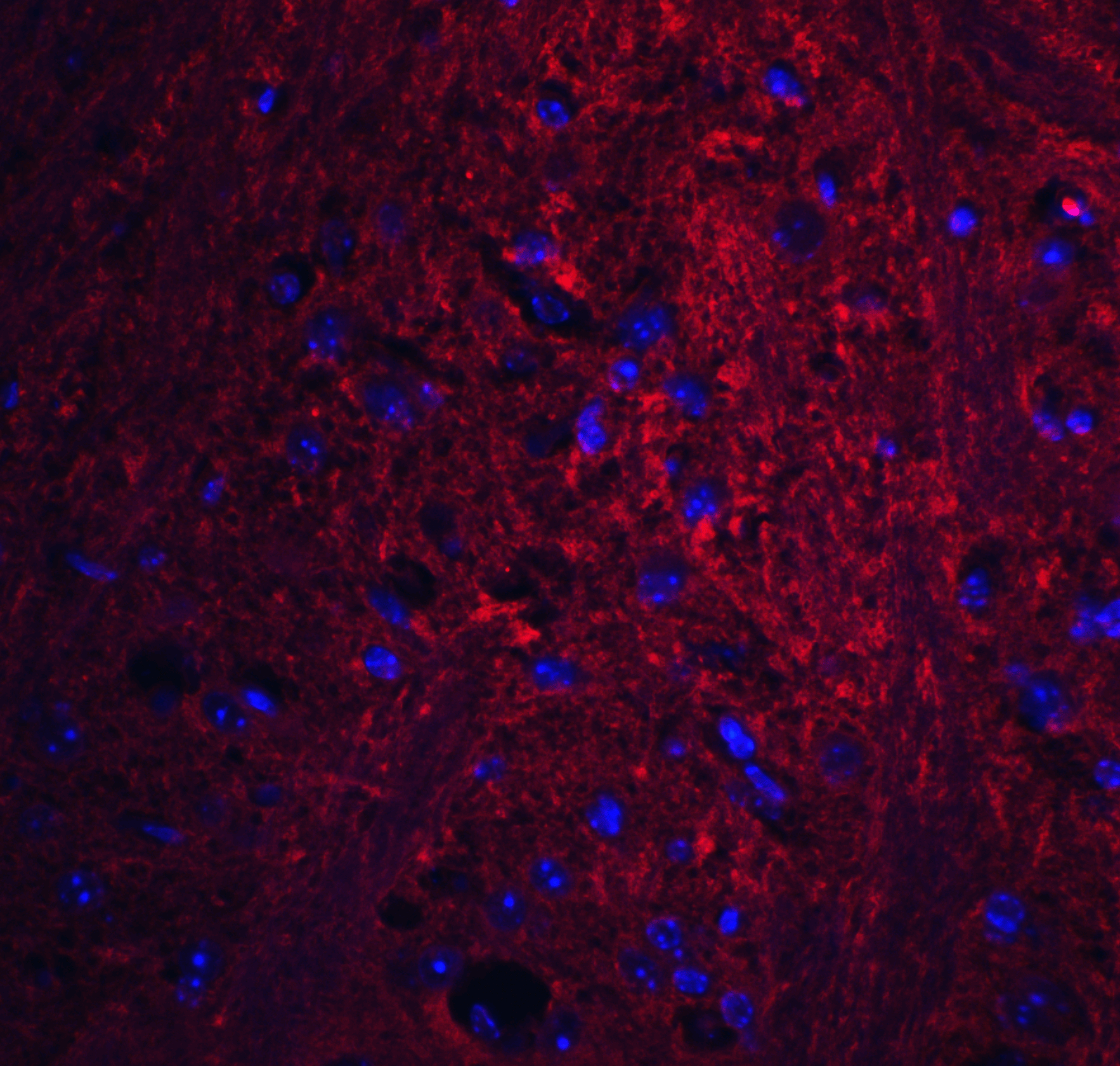
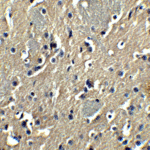
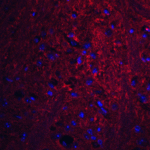
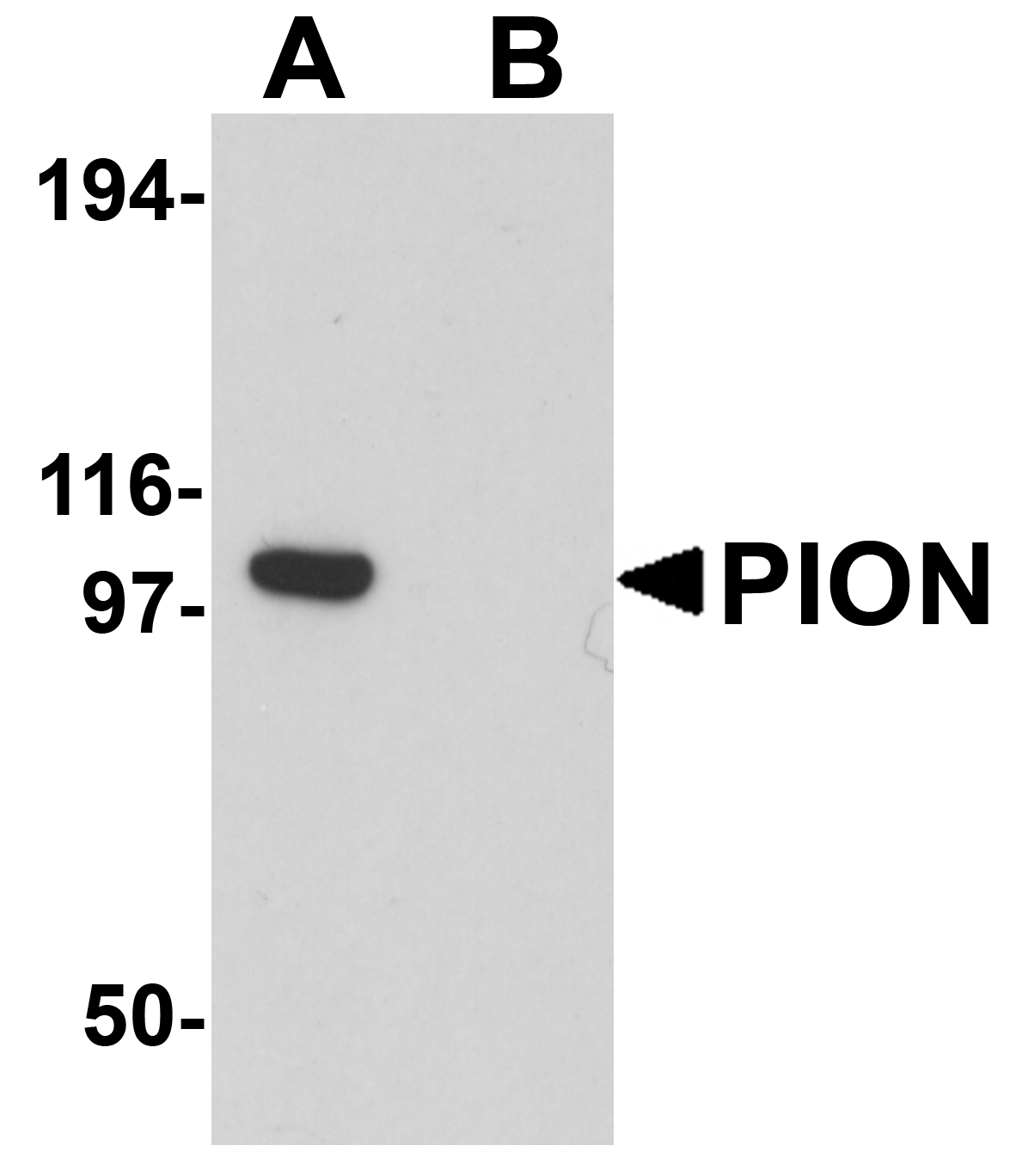
PION antibody can be used for detection of PION by Western blot at 0.25 μg/mL. Antibody can also be used for immunohistochemistry starting at 5 μg/mL. For immunofluorescence start at 20 μg/mL.
Antibody validated: Western Blot in mouse samples; Immunohistochemistry in human and mouse samples and Immunofluorescence in human and mouse samples. All other applications and species not yet tested.
Specificity:
Multiple isoforms of PION are known to exist. PION antibody is predicted to not cross-react with other F-box protein family members.
Positive Control 1:
Cat. No. 1287 - EL4 Cell Lysate
Positive Control 2:
Cat. No. 10-301 - Human Brain Tissue Slide
Purification:
PION Antibody is affinity chromatography purified via peptide column.
Clonality:
Polyclonal
Isotype:
IgG
physical-state:
Liquid
Buffer:
PION Antibody is supplied in PBS containing 0.02% sodium azide.
Concentration:
1 mg/mL
Storage Conditions:
PION antibody can be stored at 4°C for three months and -20°C, stable for up to one year. As with all antibodies care should be taken to avoid repeated freeze thaw cycles. Antibodies should not be exposed to prolonged high temperatures.
Ncbi Official Symbol:
PION
Additional Names:
PION Antibody: PION, PION, Gamma-secretase-activating protein, Protein pigeon homolog, GSAP
Protein Accession Number:
NP_059135
Protein Gi Number:
148612805
Ncbi Gene Id Number:
54103
User Note:
Optimal dilutions for each application to be determined by the researcher.
Background:
PION Antibody: Accumulation of the amyloid-beta peptide (Abeta) in the cerebral cortex is a critical event in the pathogenesis of Alzheimer's disease. The beta-amyloid protein precursor (APP) is cleaved by one of two beta-secretases (BACE and BACE2), producing a soluble derivative of the protein and a membrane anchored 99 -amino acid carboxy-terminal fragment (C99). The C99 fragment serves as substrate for gamma-secretase to generate the 4 kDa amyloid-beta peptide (Abeta), which is deposited in the Alzheimer's disease patient's brains. PION, or GSAP, selectively increases amyloid-beta production through a mechanism involving its interaction with both gamma-secretase and the APP C-terminal fragment, suggesting that PION may be a potential therapeutic target for the treatment of Alzheimer's disease.

Background Reference 1:
Ponte P, Gonzalez-DeWhitt P, Schilling J, et al. A new A4 amyloid mRNA contains a domain homologous to serine proteinase inhibitors. Nature1988; 331:525-77.
Background Reference 2:
Selkoe DJ. Cell biology of the amyloid beta-protein precursor and the mechanism of Alzheimer's disease. Annu. Rev. Cell Biol.1994; 10:373-403.
Background Reference 3:
He G, Luo W, Li P, et al. Gamma-secretase activating protein is a therapeutic target for Alzheimer's diease. Nature2010; 467:95-9.

FOR RESEARCH USE ONLY

For additional information, visit ProSci’s Terms & Conditions Page.

Disclaimer:
Optimal dilutions/concentrations should be determined by the end user. The information provided is a guideline for product use. This product is for research use only.

CATALOG NUMBER:

6161

List Size:
0.02 mg, 0.1 mg

List Price:

Price range: $99.00 through $445.00

Shipping Info
Customize your order
Custom Antibody Services

New & Featured Products

CATALOG NUMBER: PM-7369-HRP

CATALOG NUMBER: PM-7369-biotin

CATALOG NUMBER: PM-7369