
Locally acquired dengue infections are rising in Florida, bringing a global infectious disease challenge closer to home. The outbreak reinforces the need for dependable tools to study viral proteins, evaluate immune responses, and develop detection methods. ProSci offers dengue virus antibodies and recombinant envelope and NS1 proteins to support this work across all four dengue serotypes.
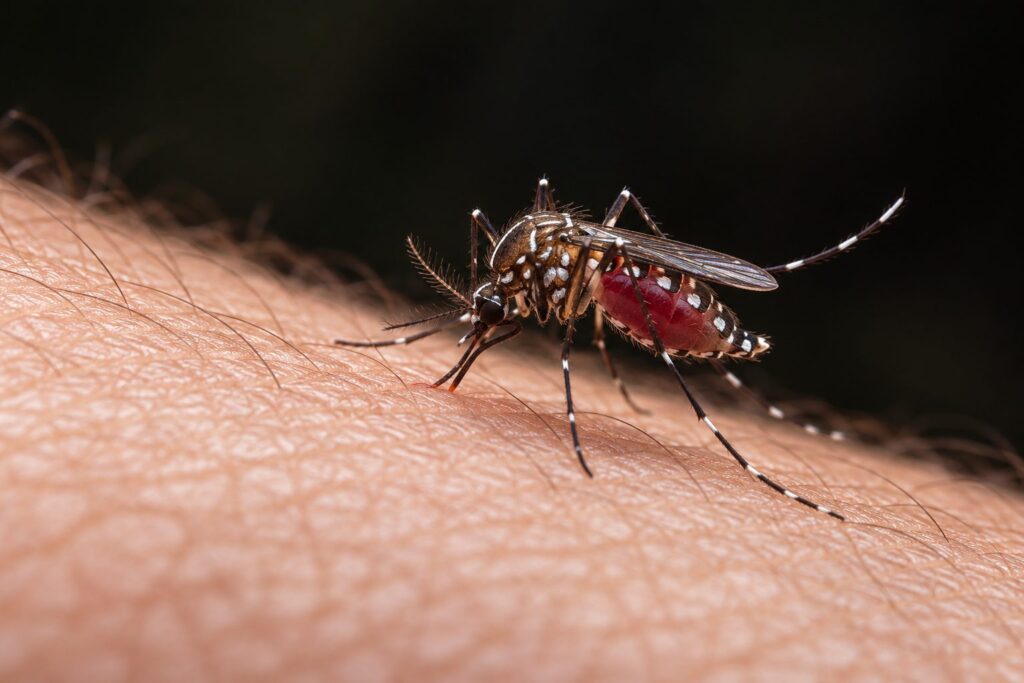
Florida recorded 190 locally acquired dengue cases across six counties through September 19, 2026, plus 212 travel-associated cases.1 As a result, local transmission underscores the need for surveillance and research into how dengue spreads.
Globally, the World Health Organization reported a record 14.6 million dengue cases in 2024, and the disease is endemic in more than 100 countries.2 In addition, changing mosquito distributions, climate, and human movement complicate prevention and monitoring.
Because dengue has four closely related serotypes, DENV-1 through DENV-4, antibody or assay performance against one should not be assumed for the others.3
In practice, dengue research spans viral detection, immune recognition, and infection biology. Two key targets for dengue virus antibodies and assays are the envelope protein and non-structural protein 1 (NS1).
Dengue envelope antigens support serological assays of infection-induced antibodies. However, workflows must account for serotype coverage and cross-reactivity with related viruses.5
NS1 is secreted into the blood during infection, making it a key antigen detection target. For this reason, CDC guidance identifies the first seven days of illness as an important testing window.4
To support this work, ProSci offers antibodies and recombinant viral proteins for building and evaluating dengue immunodetection workflows. Examples include:
| Serotype | Envelope Recombinant Protein | NS1 Recombinant Protein |
|---|---|---|
| DENV-1 | 24-936 | 24-937 |
| DENV-2 | 24-938 | 24-939 |
| DENV-3 | 24-940 | 24-941 |
| DENV-4 | 24-942 | 24-943 |
Therefore, selection should reflect the target, serotype, sample type, and application. Review each product’s specifications before evaluating it in a workflow.
Browse antibodies and envelope and NS1 recombinant proteins covering DENV-1 through DENV-4.
First, appropriate protein controls help confirm that an antibody detection system is working as expected.
For example, where suitable, recombinant dengue proteins can serve as defined antigen inputs or positive controls to compare conditions, assess antibody recognition, and optimize signal.
Above all, the Florida outbreak highlights the need to improve dengue research tools. Academic, biotech, and diagnostic research teams need antibodies, relevant protein controls, and guidance for careful experimental design.
For over 28 years, ProSci has provided antibodies, custom services, and scientific support. In addition, our team can help identify dengue products aligned with your research goals.
The two key targets are the envelope (E) protein and non-structural protein 1 (NS1). Envelope antigens support serological assays of infection-induced antibodies, while NS1 is secreted into the blood during infection and is a key antigen detection target.
Dengue has four closely related serotypes: DENV-1, DENV-2, DENV-3, and DENV-4. Antibody or assay performance against one serotype should not be assumed for the others, so confirm serotype coverage on each product datasheet and with matched controls.
CDC guidance identifies the first seven days of illness as an important testing window for NS1 antigen detection.
ProSci offers Dengue Virus Antibody [5161] (XV-2049), a mouse monoclonal antibody listed as reactive with all dengue serotypes, and Anti-NS1 of Dengue Virus, Research Grade Biosimilar (21-863), a recombinant monoclonal antibody targeting dengue NS1.
Where suitable, recombinant dengue envelope and NS1 proteins can serve as defined antigen inputs or positive controls to compare conditions, assess antibody recognition, and optimize signal. In addition, pair them with relevant negative controls and cross-reactivity assessments.
Browse our dengue research portfolio or talk with our team about your target, serotype, and application.
Products discussed are for research use only.