
A recent investigation published in Science magazine has uncovered a significant problem affecting cancer and aging research: hundreds of studies may have used the wrong antibody when testing for p16INK4a, a critical tumor suppressor protein. This revelation underscores the importance of antibody specificity and proper validation in scientific research.
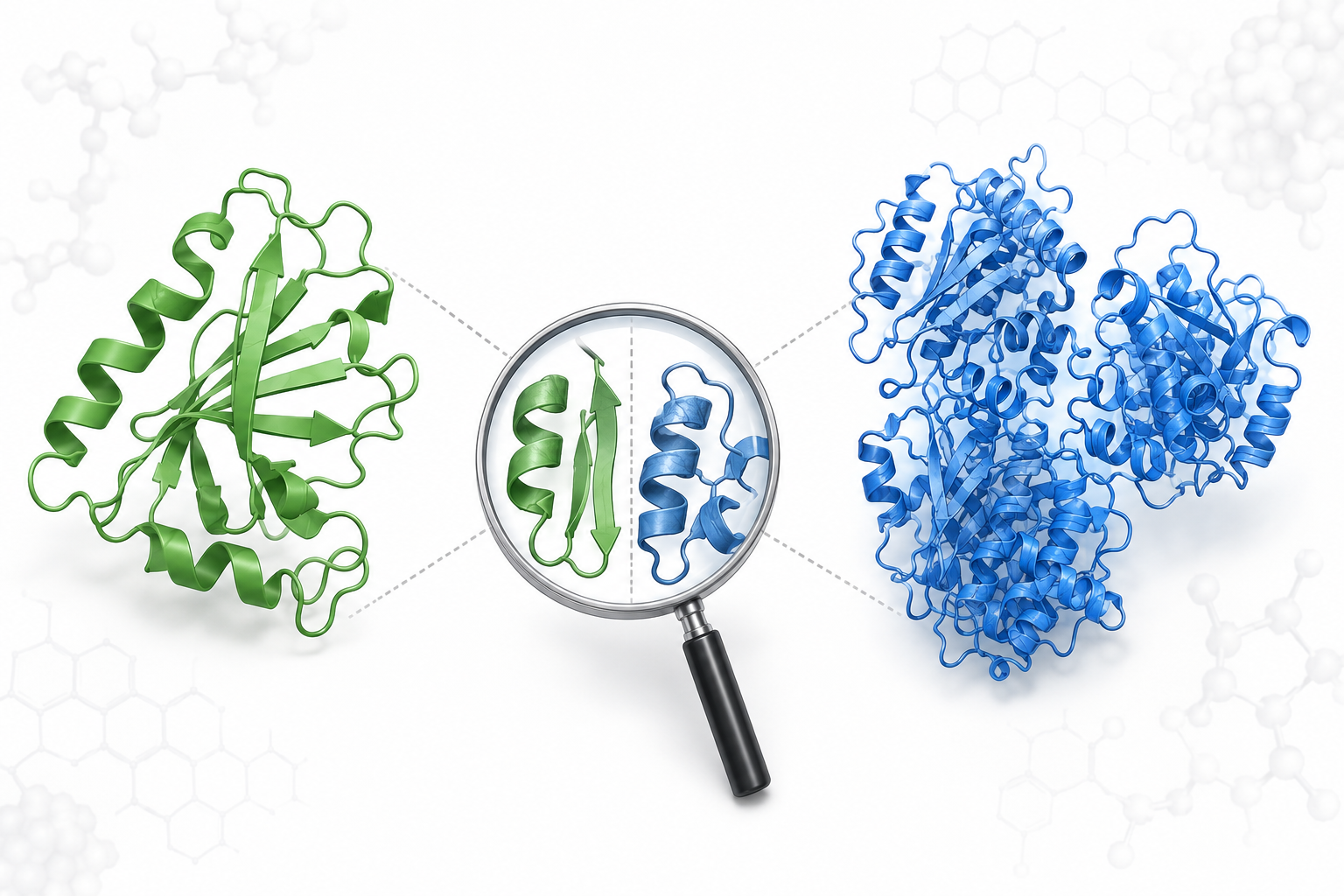
The mix-up stems from similarly named proteins that serve completely different functions. When researchers search for “p16” antibodies, they may encounter products targeting two distinct molecules: p16INK4a, a tumor-suppressing protein that halts cell division and promotes cellular senescence, and p16-ARC, an unrelated protein involved in shaping the cell’s cytoskeleton.
According to the Science report, molecular biologist Sholto David identified over 300 papers where researchers appear to have used p16-ARC antibodies when studying p16INK4a. These papers span more than a decade and include publications in prestigious journals.
The p16INK4a protein plays a crucial role in cancer biology. As part of a pathway that stops the cell cycle, it helps prevent tumor growth by halting cell division. The protein also drives cells into senescence, a non-dividing state linked to tissue aging. Researchers studying these fundamental processes rely on p16INK4a antibodies to accurately detect and quantify the protein in their experiments.
Using an antibody that targets the wrong protein can lead to misleading results and potentially invalid conclusions. As noted in the Science article, some researchers reported findings that would only make sense if they had used the correct antibody, raising questions about data interpretation across multiple studies.
Beyond the p16INK4a versus p16-ARC confusion highlighted in Science, researchers should also be aware of another potential source of ambiguity. The CDKN2A gene encodes two distinct proteins through alternative splicing: p16INK4a and p14ARF (p19ARF in mice). Both proteins function as tumor suppressors but through different mechanisms and pathways.
When ordering antibodies targeting CDKN2A gene products, it is essential to verify which specific protein the antibody recognizes. An antibody validated for p16INK4a detection will not necessarily detect p14ARF, and vice versa.
At ProSci, we understand that antibody specificity is foundational to reliable research. Our in-house CDKN2A/p16INK4a antibodies have been extensively validated to specifically detect p16INK4a, helping researchers avoid the ambiguity that has affected other studies.
Our two KO validated products include:
To provide maximum clarity for researchers, we have updated our product naming from “CDKN2A” to “CDKN2A/p16INK4a” on our website, explicitly indicating the specific protein target.
This situation serves as an important reminder about antibody selection and validation. When choosing antibodies for your research, consider these best practices:
The antibody community continues to work toward greater transparency and validation standards. At ProSci, we are committed to providing researchers with clearly labeled, extensively validated antibodies that deliver reliable results.
If you have questions about our CDKN2A/p16INK4a antibodies or need assistance selecting the right product for your application, our technical support team is ready to help.