
West Nile virus (WNV) activity in California has reached a five year high, bringing renewed attention to a persistent mosquito borne threat. For researchers studying viral recognition, developing immunoassays, or investigating infection biology, choosing reagents that match the target and application is an essential starting point.1 ProSci offers West Nile virus antibodies targeting envelope, matrix, and core proteins, along with an envelope recombinant protein and blocking peptides to support experimental design and assay optimization.
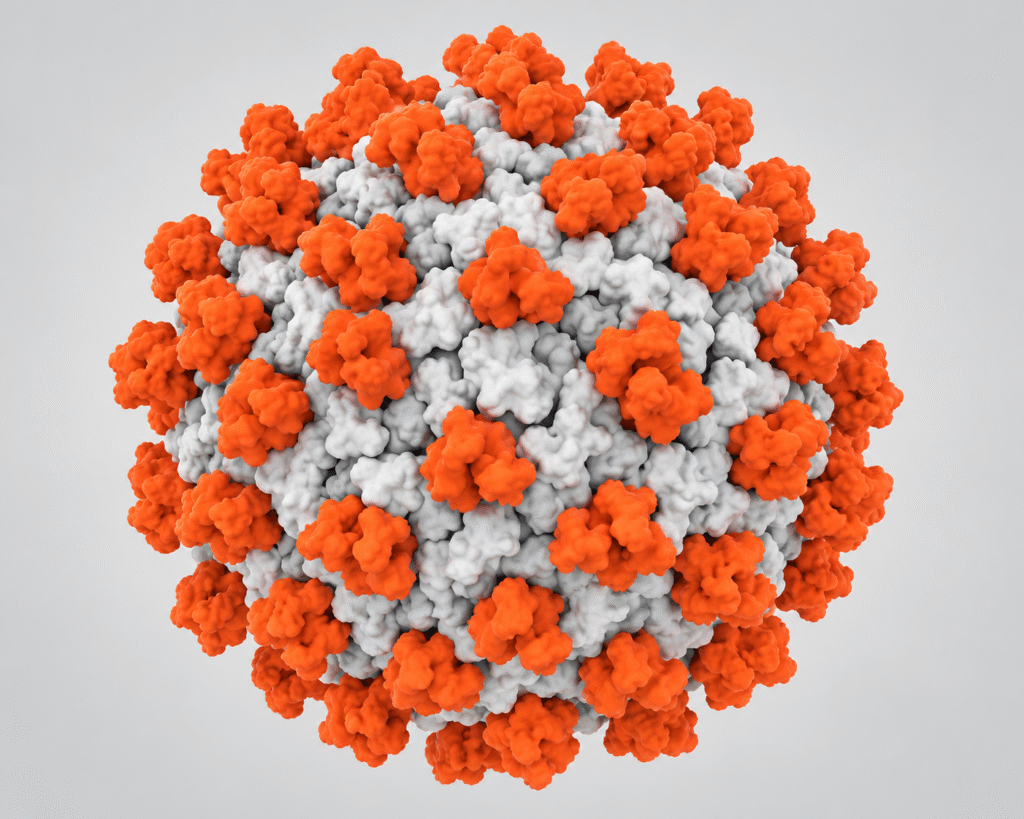
West Nile virus spreads primarily through infected mosquitoes, which acquire the virus by feeding on infected birds. Although most infected people do not develop symptoms, severe disease can affect the central nervous system. No licensed human vaccine is currently available, reinforcing the need for continued research.2
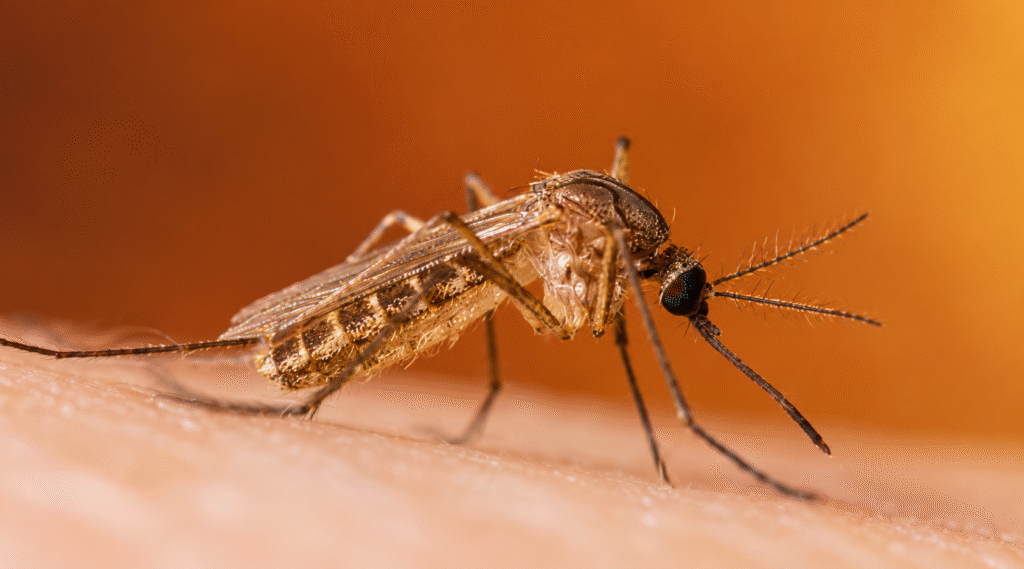
California surveillance recorded 4,075 positive mosquito samples and 753 positive dead birds through October 23, 2026. Together with the human case reports, these findings document ongoing transmission across the state.1
Each West Nile virus structural protein supports a different research question, so reagents should be selected for the specific experiment.
Helps the virus enter cells and is a major target in antibody recognition and neutralization research. A study of the E16 monoclonal antibody showed that blocking E mediated membrane fusion can prevent infection after viral attachment.3
The matrix precursor and mature membrane proteins are involved in viral particle maturation.
The core, or capsid, protein packages the viral RNA and supports studies of viral assembly.
The following products connect key viral targets with the ProSci catalog. The selection spans target focused ELISA reagents and options for broader studies of viral recognition.
| Product Group | Catalog Numbers | Listed Applications or Features |
|---|---|---|
| West Nile Virus Envelope Antibodies | 3437, 3439, 3441 | Rabbit polyclonals; ELISA |
| West Nile Virus Matrix Antibodies | 3429, 3431 | Rabbit polyclonals; ELISA |
| West Nile Virus Core Antibodies | 3433, 3435 | 3433: ELISA 3435: ELISA, WB, ICC |
| West Nile Virus Envelope Recombinant Protein | 53-361 | E. coli expressed; ELISA |
| Flavivirus Group Antigen Antibodies (4G2) | 24-257 Mouse IgG2a, 24-258 Rabbit IgG | Recombinant monoclonals; broader flavivirus recognition |
WB = Western blot; ICC = immunocytochemistry. Review each datasheet for experimental conditions. Listed applications for broad flavivirus antibodies should be checked for the virus and sample type being studied.
The 4G2 products list reactivity with West Nile and other flaviviruses, including dengue and Zika. Their broad recognition can be useful for comparative research, but it does not establish West Nile specific detection. Several West Nile polyclonal antibodies are also available in 20 µg trial sizes.
Browse envelope, matrix, and core antibodies, recombinant protein, and blocking peptides for West Nile virus research.
A control is most useful when it tests the same recognition event as the experiment. ProSci’s West Nile Virus Envelope Recombinant Protein (53-361) is listed for ELISA and can be considered as a defined antigen input where compatible. Confirm that the protein contains the region recognized by the antibody; matching target names alone does not establish compatibility.
For peptide competition experiments, ProSci offers envelope peptides 3437P, 3439P, and 3441P, plus matrix peptides 3429P and 3431P. These blocking reagents address antibody binding to the corresponding peptide; they do not independently establish recognition of native viral protein.
Related flaviviruses can share antigenic features, making cross-reactivity an important consideration. CDC notes that cross-reactive antibodies can complicate West Nile serology. For research assay development, this supports evaluating related viral antigens alongside the intended target.4
ProSci offers West Nile virus antibodies against the envelope, matrix, and core proteins. The portfolio also includes broader flavivirus antibodies that list West Nile reactivity, plus an envelope recombinant protein and blocking peptides.
Broad flavivirus recognition alone cannot establish West Nile specificity. Include relevant controls and evaluate cross-reactivity in the intended assay.
It is a West Nile virus envelope protein fragment covering amino acids 295 to 418, expressed in E. coli with a 6-His tag and listed for ELISA. Where compatible, it can serve as a defined antigen input for West Nile antibody workflows.
Several West Nile virus polyclonal antibodies are available in 0.02 mg (20 µg) trial sizes. Check the individual product page for size options.
Dependable reagents and responsive scientific support help researchers make informed choices. ProSci’s team can help review your target, application, and control strategy, or discuss custom antibody development when your project requires a different approach.
Browse our West Nile virus portfolio or talk with our team about your target, application, and controls.
Products discussed are for research use only. Not for diagnostic or therapeutic use.